Eat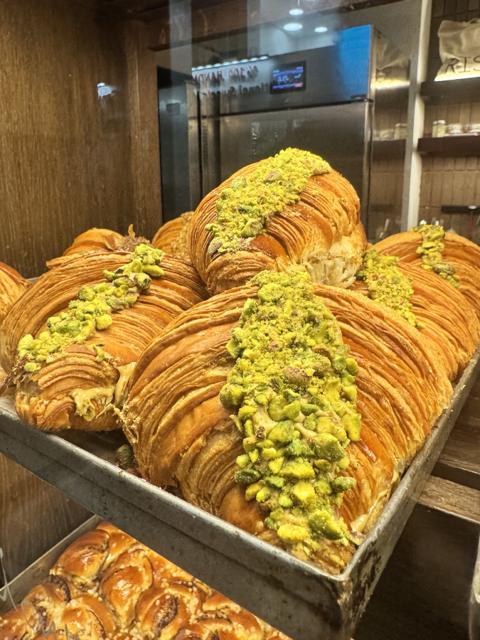
Sofia's Pick
A bakery and eatery on the corner of Mitropoleos and Patroou where the sourdough is left to ferment and rest a full seventy-two hours before it is kneaded by hand. Bread and fine pastries, and the name is the method.
Every restaurant, every hotel, every thing to do — one list, filterable by region, category, price, and how hard we vouch.
Sofia’s Pick been in person, personally obsessed·Hala Vetted been first-hand, cleared the bar·Cards with no badge are The Cut: research-verified, not yet visited
A bakery and eatery on the corner of Mitropoleos and Patroou where the sourdough is left to ferment and rest a full seventy-two hours before it is kneaded by hand. Bread and fine pastries, and the name is the method.
A coffee-and-liquor room in Psyrri that doubles as an art gallery: local painters and photographers on the walls, resident DJs after dark, a quiet café at 11 a.m. and a different animal by night. Sit in the open-air space across the street under the trees; some evenings a musician wanders in and plays the tables. A little rough at the edges, which is most of the charm.
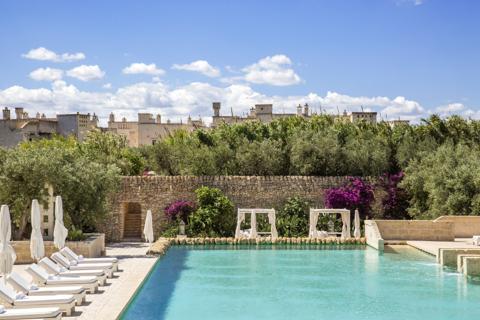
A creamy-stone village built to look like it's been there for five hundred years. The Michelin-starred Due Camini, the Vair spa, three pools, two private beaches, golf, kids' club.
Steaming, aquamarine pools cascading over travertine terraces, the wild thermal springs of southern Tuscany. Free, open 24/7, heated to about 37°C by sulphurous water from an extinct volcano. Go at dawn or after dark. Bring reef shoes, the rocks are slick, and leave the silver at home, the sulphur tarnishes it.
A Monteverde trattoria, far enough from the centre that you take a tram out to it.
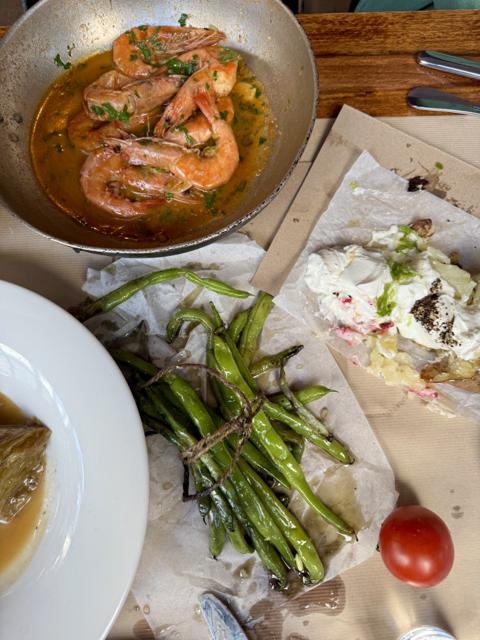
One of Santorini's benchmark Assyrtiko producers, and the tour-and-tasting to book if you like wine without thinking of yourself as a wine person. Paris Sigalas's estate near Oia works basket-trained kouloura vines on volcanic soil, some of it old ungrafted pre-phylloxera stock. The 90-minute visit runs six wines with small plates in the kanava-style courtyard, €45 a head, booked a day ahead. Line up a driver, and don't drive after.
Creative, botanical flavors. Rose and black rice, basil and walnut, pear and gorgonzola.
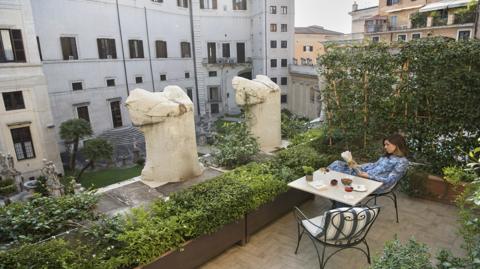
Eighteen rooms and suites on Via dell'Arancio, in a mid-16th-century annexe of Palazzo Borghese, later a school for poor girls. Adelaide on site, under executive chef Gabriele Muro. Small Luxury Hotels of the World, and no rooftop bar.
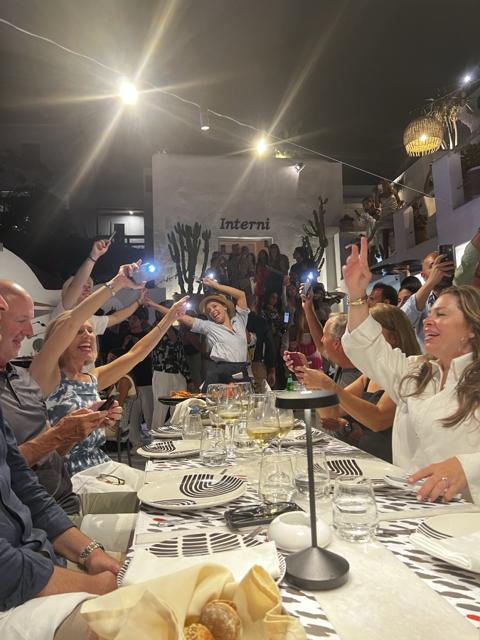
Twenty-five years in and still the dinner-into-party room on the island, set off Matogianni in a Paola Navone–designed garden you'd never spot from the lane. Chef Christos Fotos cooks Mediterranean without borders, and the wine list runs deep. Tables hold until midnight, then the music climbs and the room turns. 7:30 p.m.–3 a.m., May through September; book two weeks ahead at least for August.
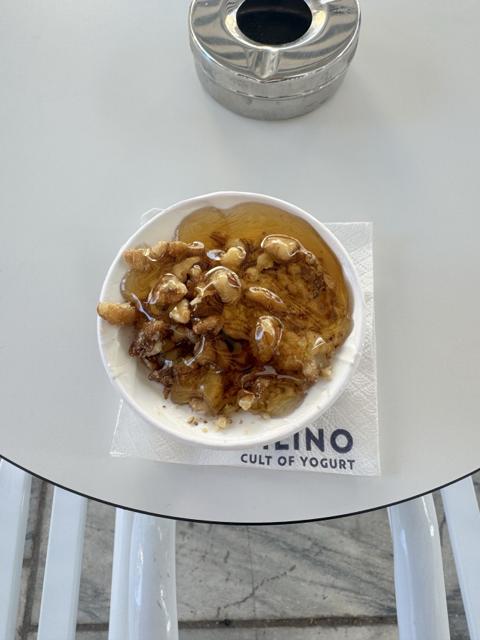
The newer-generation yogurt bar a short walk from the Acropolis. "Pilino" means clay: the yogurt is hand-strained and set in small clay pots, topped with wild thyme honey and seasonal spoon sweets. Smaller and quieter than Stani, the third pick if you're working through the city's yogurt argument over three mornings.
A Gothic Revival palazzo of 1892, Palazzo Genovese, at the mouth of the Grand Canal opposite San Marco. Contemporary maximalist interiors inside Venetian-Gothic bones.
Marikas Kotopouli 10, just off Omonia: opened 1931 in Piraeus by Nikolaos Karageorgou, in this Athens room since 1949, one of a handful of pre-war dairy bars still standing in the city (there were 1,600). The strained sheep's-milk yogurt won gold at the 1953 Thessaloniki Expo and the formula hasn't changed. Also rice pudding, loukoumades, and a small marble counter to eat at. The historic yogurt pick.
Troon & Kydantidon in Ano Petralona, opposite the Zefyros summer cinema, opened 1930 by Giannis Oikonomou and run since 2000 by Kostas Diamantis. The whole kitchen is 15–20 slow-cooked pot dishes a day, and nothing is fried, not even the potatoes. Eat what's on the day's chalkboard, drink the house wine from the carafe, walk five minutes to the cinema if it's summer. The Athens neighbourhood-taverna case study.
30 Praxitelous Street: Nikos Bakoulis and Vasilis Kyritsis's all-day-into-late-night bar, on the World's 50 Best Bars every year since 2015 (it peaked at #3 in 2020). A seasonal menu that rewards a chat with the bartender, and a secret upstairs room that's reservation-only; request it when you book.
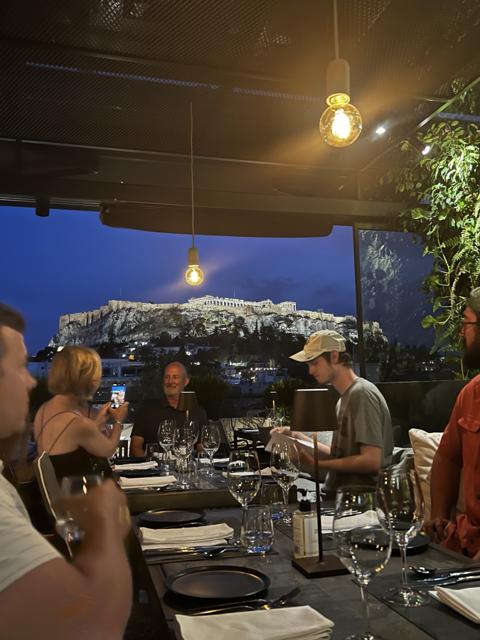
A neoclassical building on Mitropoleos by Ernst Ziller, restored into a small hotel with a roof garden over the old town. Three of the five room categories face the Acropolis.
The Antinori Chianti Classico estate is built into the hillside, invisible from above and entirely underground. The tour covers the cellar, the architecture, and ends with a tasting of estate wines. Book the 10 a.m. slot.
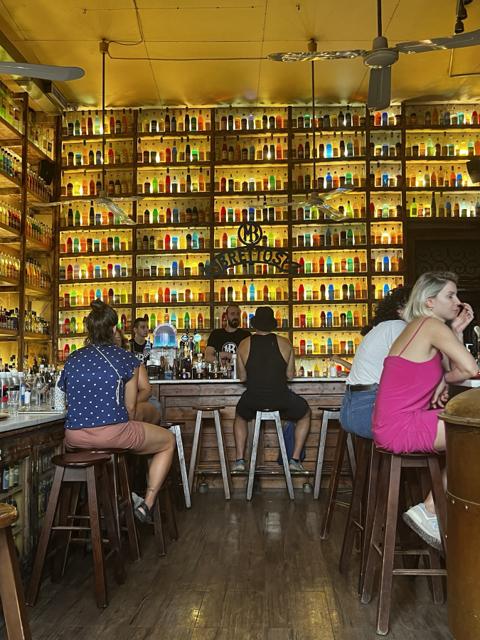
A Plaka distillery bar going since 1909, where the entire back wall is coloured bottles lit from behind, floor to ceiling. Michael Brettos started with ouzo, brandy and a few liqueurs from family recipes out of Smyrni; the list now runs past 35 flavours.
Open since 1720. Touristy beyond argument, and still the room to see. Once a year, do it once.
Founded 1733 on Via dei Calzaiuoli, on the corner of Piazza della Repubblica since 1917.
The classic Mykonos Chora sundown spot since 1962: tables a metre from the water in Little Venice with the Kato Mili windmills behind them, touristy and unbothered about it (the locals stopped fighting it long ago and show up themselves). Reserve a front table for 7 p.m.; the light goes by 7:45, and the waves sometimes reach the threshold once the wind rises. Have ouzo and mezze, then move on for dinner.
A cliffside Mykonos hotel above Mykonos Town: rooms, suites and villas, a long infinity pool with floating beds, and a DJ through the day.
A cliffside Mykonos hotel above Mykonos Town: rooms, suites and villas, a long infinity pool with floating beds, and a DJ through the day.
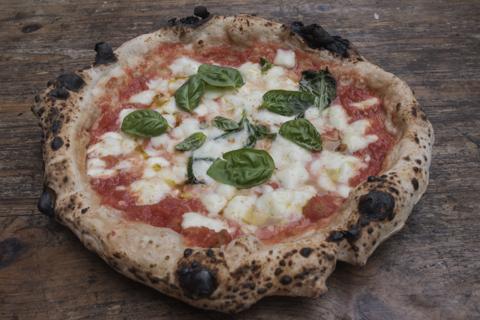
This is pizza treated as a restaurant. The pizzaiolo grandson took it Michelin-direction.
On the Zattere promenade since 1937, and the Gianduiotto is what made them famous: gianduia gelato drowned in whipped cream. Eat it walking; the Giudecca canal is the room.
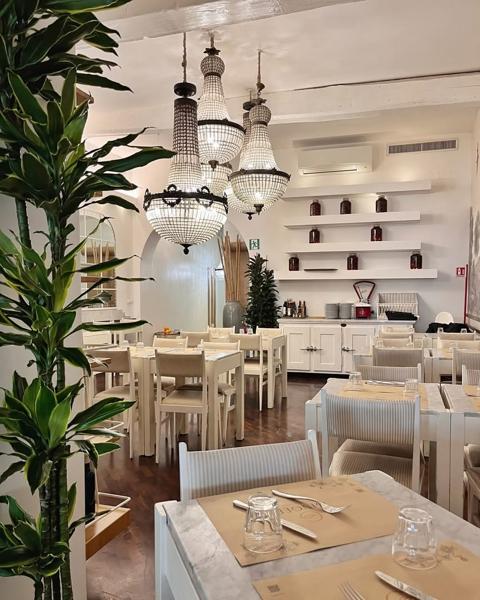
Bright, health-forward, not boring. Salads, crudo, pinsa, smoothies, wine.
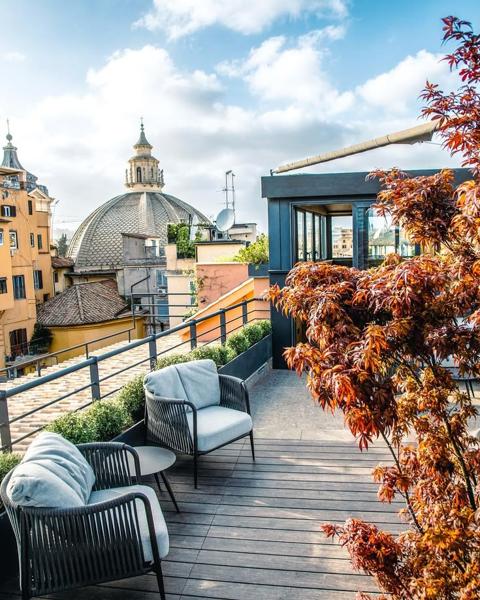
Named for the neoclassical architect who redesigned Piazza del Popolo. Four stars, 70 rooms, four on-site restaurants and a piano bar, between Piazza del Popolo and Piazza di Spagna.
Psarou beach since 2003: the original luxury beach club, the table that defined the Nammos international brand (Cannes, Dubai, Limassol all came after). Sunbeds €120–250 a pair in August, lunch typically €150–300 a head, and the magnum-of-rosé sport is real. If you came for the cliché, this is it; if you came for the Mykonos that's already happened, this is what you measure the rest against.
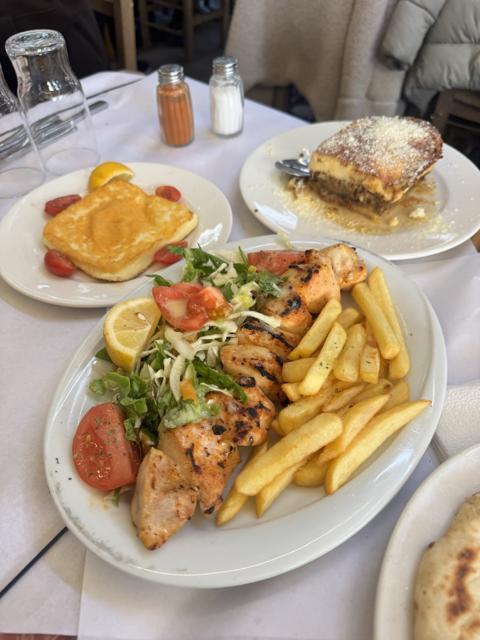
A Monastiraki kebab house running since 1964, on Mitropoleos at the edge of the square. Kebab and souvlaki plates, the yogurt kebap, saganaki and tzatziki, open till two in the morning.
A farm-to-table gelato shop in Santo Spirito, sourcing milk, fruit, and nuts directly from Tuscan farmers.
The Piazza del Campo is shell-shaped, paved in herringbone brick and divided into nine segments for the nine governors of medieval Siena. Walk the medieval center, climb the Torre del Mangia for the full panorama, drink coffee at Il Magnifico on Via dei Pellegrini, and be done by early afternoon.
The longest-running nightlife institution in Mykonos Town: four floors of bars and a yard that spills into the alley, a mixed crowd, open until daylight. Not for the cocktail purist; for the late-night Mykonos that no other room does quite the same way. The Mykonos Town finish to most Mykonian nights since the 1980s.
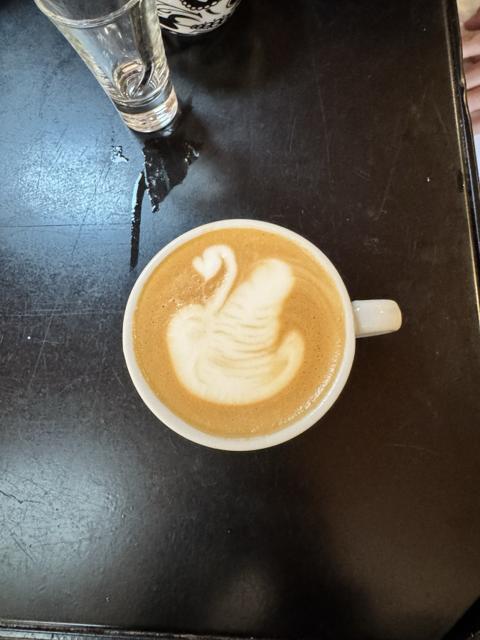
A specialty roaster in a Thissio villa, a short walk from the Acropolis: award-winning baristas, a Slayer machine, and a single-origin list deep enough to lose an afternoon in (Ethiopia, Kenya, Colombia, rotating). Go down the rabbit hole, or order a cappuccino and still not put a foot wrong. The cheesecake pancakes are the food order.
The Catacombs of San Callisto: 20 km of tunnels, 500,000 burials, early Christian art on the walls. Tours run every 30 minutes with a guide; no self-guided access. The Catacombs of Priscilla, north of the centre, have stranger frescoes.
A cliff-edge seafood room in Fira above Town Hall square, named for the Akrotiri Bronze Age date, with a kitchen that leans hard on what came in at Vlychada that morning. Whole grilled fish, raw seafood platters, a deep Santorinian wine list. One of the few caldera-side rooms you'd come back to for the cooking, not just the view. Reserve the terrace.
An 18-suite hotel built around the owning family's wine. Dinner and the tastings happen in the cellar.
A 15-room boutique inside a converted Psyrri workshop: the design-minded, low-€ option near the late-night quarter.
A cocktail bar in a converted hilltop fortress above Mykonos Town, a terrace with 180° of view from Delos out to Tinos. Reserve the railing for 5.30 p.m. in summer; the sun goes behind Rhenia at 8.30. Cocktails are €18–25. Have one drink, then leave for dinner.
The Old Town rooftop grill-and-wine-bar attached to the 3Sixty Hotel on Papanikolaou St: premium meats and a Peloponnesian wine list strongest in Nemea reds, with the rooftop looking across to the Palamidi fortress.
A neoclassical townhouse in Nafplio Old Town, with fireplaces in the top suites and the 3Sixty rooftop bar and grill above.
The dough geek's pizzeria. Long-ferment, lighter crust, modern crowd.
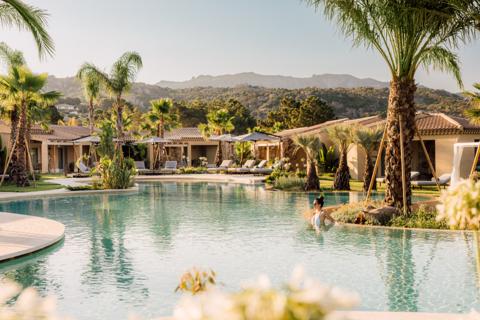
A newer resort above Baja Sardinia, with the Cone Club beach below and three restaurants on site.
Thirteen apartment-style villas on the Sapsila bay just south of Skala, where Benetos sits, each with a self-catering kitchen. Walk to Benetos for dinner.
The seventh-floor rooftop of the A for Athens hotel, directly on Monastiraki Square, with about the most head-on Acropolis view a casual bar in the city will give you. The drinks are fine, the food is fine, the view is why you came. Get there by 7 p.m. for a railing seat at sunset in summer; stay for the post-dinner drink crowd at 11.
Italy's home ground for metodo classico, the local answer to Champagne, with three anchor producers all within fifteen minutes of each other. Bellavista (the Moretti family, structured and long-lived), Ca' del Bosco (the Annamaria Clementi cuvée), Berlucchi (the historic name). Pre-book all three; weekday visits are quieter.
The price is fixed by the city: €90 for thirty minutes, €110 after 7 p.m., for up to six people. Do it once, on the small inner canals where the boats barely pass, not the chaotic loop in front of San Marco. Find a stand in San Polo (San Tomà) or Cannaregio (Santa Sofia traghetto). Ask the gondolier to take you into the rii, the narrow back canals, and skip the singing add-on (€40 extra and aggressively cheesy).
The half- or full-day that gets the most out of Santorini: four wineries across Pyrgos, Megalochori, Episkopi and Exo Gonia, with lunch in a wine village between them. Cross-reference our Santorini wine guide for the full producer list, the one-day tasting route, and the three bottles worth shipping home. Hire a driver, and don't drive yourself after four tastings.
A 12th-century Romanesque abbey in a field of cypresses south of Montalcino: pale travertine walls, three apses, an interior of austere columns and capitals. Founded by Charlemagne, legend has it. The hours are limited, so arrive in the late afternoon. Free entry.
The David is over five metres tall, carved from a single block of Carrara marble. The four unfinished Prisoners in the gallery leading up to it are almost as interesting: Michelangelo left them half-emerged from the stone, and no one has fully explained why. Forty-five minutes inside is enough; book ahead or queue an hour.
Empress Sisi of Austria's 1890 cliff-top neoclassical pile, 10 km south of Corfu Town: gardens of marble statues (the dying Achilles takes the lead), and the long view down to Kanoni and the Pontikonisi islet. 90 minutes; pair it with a Benitses bourdetto lunch at Klimataria afterwards.
A hole-in-the-wall window in San Polo serving fried lagoon seafood in paper cones: Venetian street food at its plainest. €5 to €10, eaten standing in the calle.
Adults-only Small Luxury Hotels member on the Agia Pelagia cliffs, 25 minutes west of Heraklion airport: 47 sea-facing suites cascading down the rock, many with private cliff-edge pools. The contemporary cliff-architecture answer to the east-coast resort cluster, and the top-tier base if you're flying into HER and want a hotel before the cross-island drive.
Bernard Tschumi's 2009 building at the foot of the south slope, and the one place to see the Parthenon frieze laid out at scale (the half Athens has; the British Museum is still arguing about the rest). The third-floor Parthenon Gallery is glass-walled and pointed straight at the Acropolis. Do it after the Acropolis itself, not before; the order matters.
Pigadia waterfront on Karpathos since 1989. Note: the name suggests Olympos village, but the restaurant is in Pigadia harbour, the capital. Steak, grill, and a longer wine list than most Pigadia restaurants.
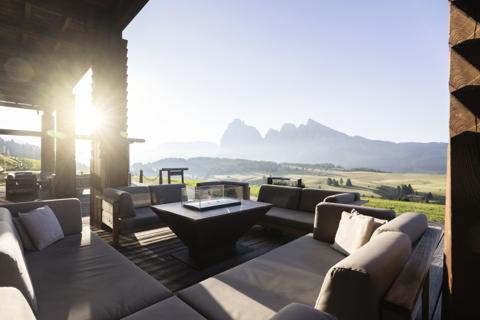
Suites and standalone chalets directly on the Alpe di Siusi meadow, reached on the access road with a permit the hotel sends in advance: the all-inclusive, wellness-led standout of the Sanoner family's Adler group.
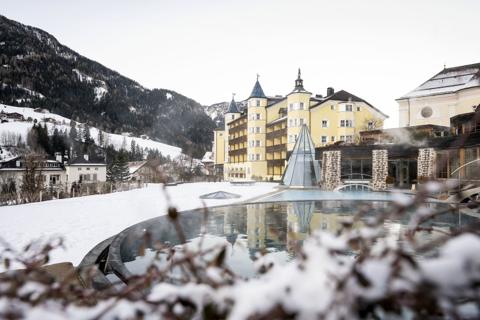
Run by the Sanoner family, seven generations of hoteliers, in Val Gardena, with 4,000 square metres of spa.
The other side of the Odle peaks: the same jagged limestone group as Seceda, seen from the north under Santa Maddalena church. A ten-kilometre loop through pine forest and meadow, steady but never steep. Trailhead at Zanser Alm or Ranui parking; the latter includes the Santa Maddalena church viewpoint. Far quieter than Seceda. Rifugio delle Odle midway is a strong lunch stop; order the schlutzkrapfen.
A 60-room, low-rise beach hotel set back in cedar trees behind Plaka: with a pool, a kids' menu and the beach across the lane.
Six villas on the quiet Skaros side of Imerovigli, sharing an infinity pool built on the caldera's edge.
The Aeolians make sense from the water. A private gozzo (traditional wooden boat) charter from Lipari, 6–8 hours, takes in Salina (lunch in Lingua), Panarea (a swim off the cliffs of Cala Junco), and Stromboli at sunset. Roughly €450–650 for the boat, split among the group; the skipper does lunch on board on request. Don't book through aggregator sites; ask your hotel for a local skipper. Public hydrofoils between the islands are fine too, €15 a leg if a charter's outside the budget.
Five rooms inside an 18th-century neoclassical mansion on the Nafplio Old Town's Syntagma Square: mother-and-son run, antique-filled, breakfast in the painted ground-floor parlour. The Old-Town small-hotel that rewards going small.
The one that lands on Europe's best-beach lists. Sand, calm water, a shallow gradient, the hotel cluster behind it. The most family-friendly Naxos beach, and the busiest in August. Go before 11 or after 5.
The north-coast cove Mykonos has protected for years: Agios Sostis stays unorganised (no sunbeds, no club, no shade you didn't bring), with Kiki's Tavern on the cliff above it. Swim, climb up for the no-reservations lunch, then come back down for the second swim. About as un-Mykonos as a Mykonos half-day gets.
On Corfu's north-east coast: three tavernas around a pebble cove, easy water, and a boat-taxi from Kalami or Kassiopi if you'd rather arrive by sea. Swim, take a long lunch at Taverna Agni or Toula's, then walk the headland back to where you started. The best day on the Durrell coast.
A family-run agriturismo in the Gallura hills above Costa Smeralda: vines over the dining tables, the porceddu turning on the spit, and a multi-course Sardinian feast that goes for three hours and then keeps going.
A working farm in the hills above Nuoro: set-menu lunches and dinners, everything from their land, an antipasti parade that turns into a meal before the pasta arrives.
Vasilissis Olgas, off the main square: small, family-run, the taverna a regular will sit in alone with a book at lunch. Order the moussaka the day they have it and a half-litre of Agiorgitiko from the carafe.
The "Pompeii of Greece," a Minoan city buried under volcanic ash since 1600 BC: three-storey buildings, frescoed walls, a drainage system still sitting where the residents left it. It's under a vast bioclimatic shelter (the new one, opened 2012), and takes 90 minutes to walk. Go at the 9 a.m. opening, before the cruise crowds land at 11. Lunch afterwards at The Cave of Nikolas, down at the harbour.
Combine with a morning at Akrotiri (the archaeological site) and you have a better Santorini day-trip than the bus to Oia. The walk hugs the coast, the cliffs run through every shade of volcanic red and black, the swim at the end is the reward. There's currently a small landslide risk on the final descent, so check the local advisories the day of. Closed shoes, hat, two litres of water.
An old-school taverna in Megalochori (the wine village inland from the Santorini caldera) since 1922, same family: no view, all food. Fava with capers and a slick of good oil, lamb baked overnight in a clay pot, tomatokeftedes (the island's volcanic-soil tomato fritters) you'll order twice, retsina from the carafe. The Sunday lunch Greek families fill every table for by 2 p.m. Walk back through the vineyards.
The main restaurant at Castello di Reschio, the Bolza family's 1,500-hectare estate on the Umbrian–Tuscan border. Fine dining built into the 11th-century castle's west rampart walls with a sunset terrace over the valley, produce grown on the property.
Sixteen seats in Castello. Chef Claudio De Lauzieres cooks Venice-meets-Naples; his partner Claudia runs pastry. Indagare-listed sibling to Al Covo.
A hole-in-the-wall on the campo behind Rialto, no inside seating at all. Mini-panini and a Select spritz at the counter.
The Cannaregio aperitivo anchor on Fondamenta dei Ormesini. A moored boat in front of the bar that doubles as outdoor seating in the warmer months.
The Catalan-Sardinian standard-bearer of the old town. Founded in 1973 by Benito Carbonella, now under chef patron Francesco Pais: two rooms, candlelight, and the Catalan lobster dish, done as well as anywhere.
A family-run pizza place off the old town. Wood oven, dough that's been resting since yesterday, prices that haven't caught up to the rest of the old town.
The trulli are the cone-roofed stone houses Puglia is sold on. Alberobello has 1,500 of them, packed into two districts, a UNESCO site that's now entirely a tourist economy: shops, queues, group photographs. Worth seeing once, but go before 9 a.m. or after 6 p.m. and stay 45 minutes. They also dot the surrounding countryside, where you can drive past dozens for free.
A volcanic basalt gorge cut into the Alcantara River, 25 metres deep, walls of hexagonal columns left by Etna's prehistoric lava flow. Walk down the staircase, wade into the river in summer (the water is icy year-round; thermal wetsuits available for rent). The Botanical Park entrance, a kilometre south, is quieter and prettier than the main one. Bring a swimsuit and water shoes.
A beach club on windward Ftelia, on the north coast: pavilions, kitesurfers in the bay, house-pressed olive oil and local kopanisti on the menu. Come for lunch and bring a layer; the wind drops the temperature 5–8°C from 6 p.m.
An hour and a half on foot does the whole old town: the Bastioni Marco Polo at sunset, the cathedral, the narrow centro storico still speaking the 14th-century Catalan that gives Alghero its name. End at Cala Bona for a swim in the cove below the walls, then dinner at The Kings on the bastions. Walkable end to end, and best done without an itinerary.
A restored noble palazzo on Ortigia's seafront promenade: original antique floor tiles, beamed ceilings, terraces with views over the Porto Grande.
Family-run on the south-coast Aliki harbour since 1974: the boats moor beside the quay. Follow it with a swim at Faragas beach (10-minute drive south) or Parasporos. Cash and card; reserve in August.
A high alpine pasture ringed by the Sassolungo, Sciliar, and Catinaccio peaks. The plateau is car-free 9 a.m. to 5 p.m. in summer; you arrive by the Mont Sëuc cable car from Ortisei (€39 round trip) or by car if you're staying up top overnight. Walks are gentle to moderate, often flat, and beautiful in every direction. Sunrise at the Bullaccia viewpoint is the one to set an alarm for. Hire e-bikes at Compatsch to cover more ground.
Niederkofler's casual project at 2,275 metres, on top of Plan de Corones inside the Lumen mountain photography museum. Every window is Dolomites.
The wild south-west: a juniper-cedar forest growing straight out of the dunes (the only one of its kind in the Cyclades), turquoise water below it, an abandoned, street-art-covered 70s hotel above. Lunch at Axiotissa or Apolafsi.
The transformed Rosa Alpina: Pizzinini family hotel since 1939, redesigned by Jean-Michel Gathy, reopened as a full Aman in July 2025. The top of the market here.
Inside Palazzo Papadopoli, a 16th-century palazzo on the Grand Canal with opulent Rococo and Neo-Renaissance interiors. Twenty-four suites, 18th-century Tiepolo frescoes, two private gardens.
Edward Tuttle designed Amanzoe above the Argolic Gulf: colonnaded pavilions, 41 suites and 8 (now 9) full villas, with the beach club a 10-minute buggy down the road. A new 3-bed family villa added for 2025.
The waterfront alternative if the inner Old-Town boutiques are full: a small Old-Town palazzo with Bourtzi-fortress views from the front rooms, easy walking to every restaurant on the list.
A family-focused beachfront hotel four kilometres west of Chania at Agii Apostoli: supervised playroom, kids' pool, and a small pebble beach across the lane.
A small Naoussa property, opened in May 2019, five minutes on foot from the Naoussa harbour.
The Cycladic pocket on the north slope of the Acropolis: narrow stepped lanes, whitewashed houses with painted shutters, built by stonemasons from Anafi (a Cycladic island) brought to Athens in the 1840s to work on King Otto’s palace. Twenty minutes of village quiet a hundred metres from the Plaka cliché. Go at sunrise, because by 10 a.m. it’s a tour-group photo line.
The civic centre of classical Athens, where Socrates wandered, Aristotle taught, and the assembly met. The Stoa of Attalos (a 1950s reconstruction by the American School) holds the site museum; the Temple of Hephaestus, the small one up on the hill, is about as intact as ancient Greek temples get, roof and all. Quieter than the Acropolis above it, and 90 minutes covers it.
The second-most-important archaeological site on Santorini. A 9th-century-BC Dorian settlement on the limestone ridge of Mesa Vouno on the south-east coast, with views across to Kamari and Perissa. Drive to the parking lot, then walk 20 minutes up the ridge to the site. It sits on the Mesa Vouno ridge, reached by a switchback road or a steep footpath.
One Michelin star, in Loreto in central Le Marche. Chef Errico Recanati cooks over open fire: wood, embers, smoke.
Andronis Group's Oia property: 24 suites and villas carved into the cliff, with the Lauda restaurant on the same edge.
Andronis Group's Imerovigli property: 28 suites and villas, the Kallos Spa and the Throubi restaurant.
White-cube minimalism above the ferry-port bay of Karavostasis, a few minutes from the port.
A family-run apartment hotel on the Naoussa hillside: 8 self-catering units, a pool, walking distance to town.
Banyan Tree group's first European resort, opened June 2021 on a coastal hillside south of Corfu Town at Benitses: colonnaded pavilions cascading down to a private beach, the Asian-spa standard the brand is built on, and a full wellness programme.
One Michelin star inside the Gardena Grödnerhof in Ortisei. Chef Reimund Brunner, a wine cellar with 650 labels, and a 30-seat dining room that gets booked out months ahead in ski season.
The only inland village on Mykonos: 8 km east of Chora, residential, where everyday Mykonian life carries on once the tourists leave. Panagia Tourliani Monastery
The mountain village in the Psiloritis foothills above Rethymno, known for thyme honey, the Cretan lyra (the bowed-string instrument used in feast music), and the antikristo lamb (vertical-spit roast). Lunch at Aristotelis or Skalomata, and pair it with the Idaean Cave higher up if you’re hiking.
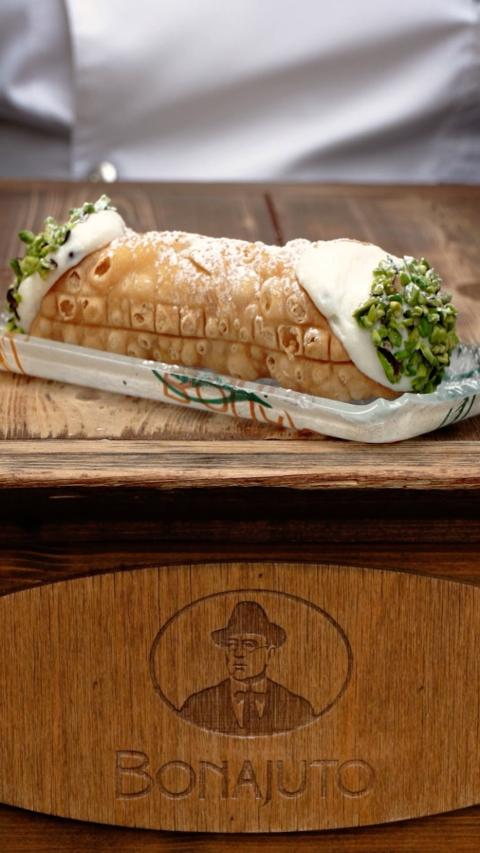
A Modica dolceria run by the same family for six generations, keeping the cold-process method that never takes the chocolate above 40°C. Registered with the chambers of commerce as a historic Italian business, with the activity declared from 1854 and first registered in 1880.
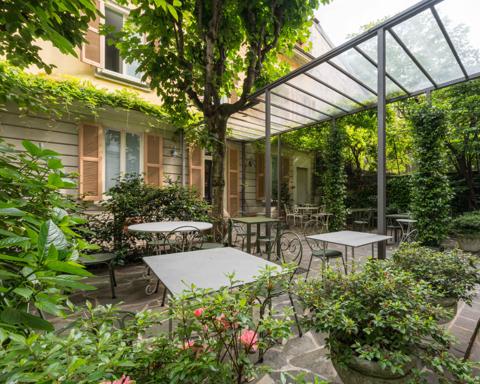
A small family-run hotel in a quiet 19th-century courtyard on Corso Magenta, with 24 rooms, two apartments and a garden between the main building and the villa next door.
A working trattoria inside Catania's Pescheria, wedged between the fishmongers, lunching on what they sold an hour earlier.
The Urbino restaurant that does vincisgrassi the way it should be done, the Marche's great baked, layered pasta, richer than lasagna, and a little pleased with itself.
Beach-resort wear, made on the coast for half a century. Cotton, linen, embroidered kaftans, pieces that read as costume in New York and exactly right on a Praiano terrace. Open daily; get there before lunch or you'll wait.
Pietro Zito's trattoria in Montegrosso, in the countryside outside Andria. Vegetable cooking from the garden seventy metres away.
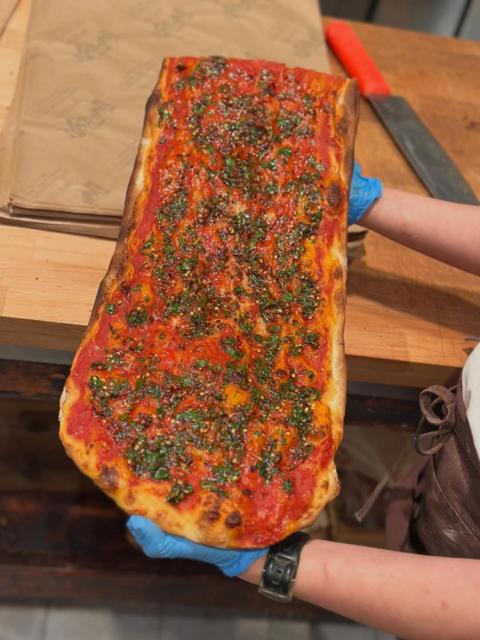
Pizza bianca, flaky and salty and soaked in olive oil. Take it plain, fold it, eat it walking.
The 15-minute ferry from Pounta (itself 15 minutes south of Parikia by car) across to Antiparos's Chora, €8 each way, every 30 minutes year-round. Walk the one main pedestrian street, lunch at Captain Pipinos
A 17-room adults-only boutique on the Tagoo waterfront, an 8-minute walk from Chora: the small Mykonian alternative to the headline hotels.
A beach taverna at the south end of Folegandros's Aggali bay, reached on foot down from the road. Walk down for lunch, swim, and allow time for the climb back up.
35 minutes from Naxos Town by car, up the mountain through Filoti. Marble alleys, a 19th-century Frangopoulos tower, the Archaeology Museum (small, sharp), the Folk Art Museum (better than it sounds). Lunch at Lefteris on the square: local lamb, kefalotyri, raki. Pair with a hike up Mount Zas in the morning.
A mountain village that makes the case for prettiest on Naxos: marble-paved throughout, stone houses, five small museums (geology, archaeology, folk art). Lunch at Lefteris, walk it for an hour, drive on.
Kagiampi & Agion Deka 5, near Agia Ekaterini square: chef Stefanos Lavrenidis's contemporary-Greek room, opened 2019, with a natural-wine list that's the deepest in Heraklion. The dinner the city's chefs eat on their nights off; book ahead.
A kilometre up the Alyko-Kastraki road: farm-to-table Naxian, no printed menu (the day's plates are recited), and the meze and the goat in lemon are where you start.
A vaulted stone room a few steps from Spoleto's Duomo. Umbrian cooking done straight: handmade strangozzi, slow-braised meats, a short wine list weighted to local producers. The right Spoleto dinner.
A Small Luxury Hotels member on Kos: adults-only, above Lambi beach, 4 km from Kos Town. Useful for a Hippocrates-and-Asclepieion morning and the Patmos ferry.
Adults-only luxury resort at Navarone Bay, 1.5 km from Lindos village: suites with private pools, and a quieter scale than Lindos Mare.
Pollonia's modern-Italian and seafood crossover: octopus tartare, pasta made in-house, and a wine list longer than most in the village.
The old cliff-side Argo relocated in recent years to a 4,500m² garden venue in Kontochori, 5 minutes from Fira, Modern Greek-Mediterranean, the same kitchen as before, with more space than the cliff-side room had.
Voulis 10, behind Syntagma: the Lobotesis family bakery since 1910, take-out counter only, and the room hasn't been redesigned. Order the 1910-era feta cheese pie (tyropita) first, the bougatsa with vanilla cream second. Walk in, point, eat it on the marble step outside. €2–3 a thing.
Chef Giorgos Papaioannou's seafood-led concept at The Romanos: the sharpest cooking on the Costa Navarino estate. Tasting menu, Greek wine pairings, the room you book once during a four-night stay. Reserve a week ahead.
Two hours west from Folegandros Chora along the island's spine to a working lighthouse and one of the quietest views in the Aegean. Pick the path up west of Chora, past the Panagia church; it follows the ridge through low scrub with no shade. Go at 5 p.m. in summer, for the light and the drop in heat, and bring water (no tap) and a long sleeve for the walk down. The lighthouse is locked, but the cliff in front of it is the view: sit, eat the orange you brought, walk back in time for dinner.
An aperitivo in the candy-coloured fishermen's village of Klima on Milos: twenty old syrmata (boat-garages) painted in primary colours, water up to their doors, a small dining room set up out front. Go at 6 p.m. for a drink, watch the sun go down behind the western cape, then stay for the lobster pasta.
A 35-room small hotel at Agios Georgios, the in-town beach, with a 15-minute waterfront walk into Chora.
A 5-star resort on Kolymbithres beach: 46 suites and 11 rooms across a 12-hectare property with a private beach, three pools, three restaurants.
A 26-suite Imerovigli classic since the early 1990s: the property that put Imerovigli on the map.
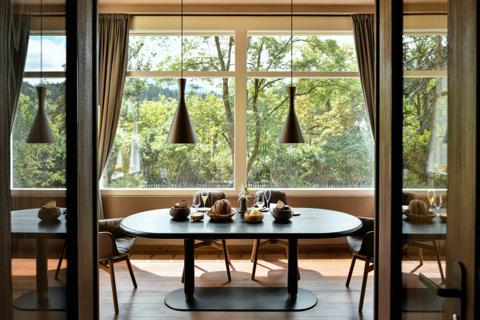
Three Michelin stars plus a Green Star in the 2026 guide, and the heir to the old St. Hubertus at Rosa Alpina.
A 21-room Design Hotels member on the pedestrian promenade at the foot of the Acropolis, and the Acropolis-view stay we'd book below the four-figure tier.
Walk through the tunnel from Amalfi at 6 p.m., have a glass of wine in the piazza, watch the light turn the cliffs orange. The pebble beach is mostly empty by then. Twenty minutes here is worth two hours in Positano.
A five-star spa-and-villas resort on Rhodes's south coast at Lachania, close to Prasonisi
Every weekend from September to early December, a different Barbagia village opens its courtyards, cellars, and kitchens: porceddu cooked underground, Cannonau by the carafe, weaving and mask-making demos, the works. Mamoiada (the carnival-mask town) and Oliena (down the road from Su Gologone) are the two to aim for. Village courtyards, cellars and kitchens open to visitors, and the off-season window when prices crash.
In a 16th-century Knights-of-St-John lodge courtyard on Megalou Alexandrou Square: a century-old ficus shading the tables, single-origin coffees and a small Greek wine list.
Xanthoudidou & Radamanthyos, inside a 1530 Venetian building with a wisteria-covered courtyard: modern Cretan cooking and a 400-label all-Greek cellar (Fusion Enoteca next door). The Rethymno dinner that justifies basing here for two nights of a longer trip.
The suites attached to Avli's Venetian-courtyard restaurant in Rethymno: rooftop jacuzzi, antique-lined rooms, the cellar (and the cellar dinner) downstairs. How to do Rethymno for two nights of a longer Crete trip.
On Platis Gialos beach next to the family hotel of the same name: a Cretan-Mykonian taverna under bamboo, with a wood-fired oven, fava and fish. It costs roughly a third of nearby Nammos.
A six-course tasting in a courtyard 25 minutes south of Naxos Town: the Karavias family, sons cooking, parents farming, the ingredients walking in the door (Naxos is the farm island of the Cyclades, and Axiotissa is the proof). A short weekly menu under a fig tree, paired with the family's own wines, six courses for what a New York entrée runs. Drive over, eat at 2, swim at Kastraki for the afternoon, drive back at sunset; reserve.
Thanos Prunarus's rum-and-tiki temple just off Kolokotroni Street, open since 2009, on the World's 50 Best Bars list more than once, 400+ rums on the back bar. Tropical drinks made with intention, and bartenders who'll walk you through the rum list without rushing you. Smaller and warmer than the Clumsies, which makes it the second stop on a two-bar night, not the first.
A closet-sized standing bar near the train station. Mini-paninis for €1, wine for €0.80 a glass.
The Buontalenti here is a mascarpone- and egg-rich vanilla named for the 16th-century Florentine architect.
Reached by a 15-minute walk through pine forest from the parking, which does the filtering: it weeds out the impatient. The cove is small, the sand fine, the water steeply deep within metres of the shore. Named for the Ottoman landing here in 1480. Bring a towel; there's no lido, no kiosk, nothing to rent. Go before 10 a.m. in July or August.
The grandfather of Monastiraki souvlaki, six Bairaktaris generations on the same square since 1879. Yes, tourists. Yes, you'll be in someone's photo. Order the mixed grill (souvlaki, gyros, sheftalia, paidakia) and a carafe of retsina, take an outdoor table on the square, and watch the Monastiraki crowd go past. Walk in any time.
Ballarò is the busiest of Palermo's three open-air markets: Albergheria district, daily except Sunday, running from a fish-and-produce show in the morning to a street-food alley in the afternoon. Walk it from the Chiesa del Carmine end, past the cluster of stigghiole grills, the panelle stalls, the fishmongers calling prices in Sicilian. End at Casa Stagnitta for an espresso. Cash only, small notes only. Vucciria, ten minutes north, is smaller, grittier, more nocturnal.
The other famous lagoon, out at the tip of the Gramvousa peninsula. Two ways in: the boat from Kissamos (easy) or a steep 20-minute scramble down from Kalyviani (which buys you the beach mostly to yourself). The boat unloads 500 people at noon, so arrive before it or walk.
A Taormina granita bar that's been doing it correctly for forty years: wood counter, no fuss, and the granita is the errand.
Moved to Plaka in 2025 (formerly Agia Anna) and merged with Nomad. Day-into-night beach club and kitchen: long lunches, fresh fish, a cocktail menu that's been thought through. The chic-est lunch on the beach strip.
A new (post-2020) cocktail bar in Little Venice from the Semeli Group: small, dim, the room people who care about cocktails are relieved to find on this island. Cover charge €25–40 to keep the casual crowd out. The bartenders compete internationally, so let them drive. Reserve weekends.
The birthplace of the Negroni Sbagliato, served in oversized Murano glasses since the seventies. Open since 1947, unchanged in any way that matters.
A Piazzetta institution since the mid-20th century, a Caprese café where you can order a slice of torta caprese (the flourless almond-and-chocolate cake Carmine Di Fiore reportedly invented in his island workshop in 1920, when he forgot the flour) with an espresso.
A Roman all-day place that finds its stride around sunset: outdoor tables, chess, wine, the passing street.
Wes Anderson designed this one. Inside the Fondazione Prada in southeast Milan, it's a perfect recreation of a 1950s Milanese café: pinball machines, formica, pastel tones, the works.
The barefoot beach restaurant at the Westin / Romanos beach: the signature Costa Navarino lunch, designed by K-Studio, tables in the sand, fresh fish and a sea-urchin pasta worth the splurge. Walk up at lunch from the resort; book for dinner.
Bari is not what Puglia is sold on, and that's the appeal. The old town is dense, working-class, openly Italian, full of basilicas, fishermen, and pensioners playing cards on the corner. Walk Strada delle Orecchiette (the pasta street) in the morning, the seawall at sunset, and have dinner in any unmarked door past Piazza Mercantile. One day, no museums. Just the place.
The Giotto frescoes are what you come to Assisi for. Two churches stacked on top of each other; the upper one has the St Francis cycle. Go first thing in the morning before the tour groups arrive. Free; modest dress required (cover shoulders and knees).
The Lecce Baroque masterpiece: 150 years of carved stone, gargoyles, griffins, and a rose window to match. The interior comes as a calm after the façade, which is rather the idea. Combined ticket with three other Lecce churches and the underground Roman foundations beneath the cathedral. Skip the guided tour; the building does the talking.
Nine suites and villas terraced above Limeni bay in the Mani: every room has its own outdoor hot tub on the water-view terrace, the on-site Crocus restaurant takes care of dinner.
Italian beach clubs are an institution: a rented umbrella, two loungers, a waiter with cold drinks and panini, sometimes a small restaurant for lunch. La Gavitella is one of the few west-facing clubs on this coast, though sunbed service wraps at 7 p.m. (often before the sun sets in peak summer). Book the restaurant terrace for the final sunset from a table.
At Bill & Coo The Coast (the adults-only Bill & Coo sister property on Agios Ioannis beach), chef Yiannis Babalis runs the kitchen and the menu is the Monte-Carlo Beefbar group's Mykonos edit. Charcoal-grilled steaks, raw beef preparations, a sunset platform straight onto the Agios Ioannis bay. The sharpest hotel-restaurant on the south coast.
A 19th-century neoclassical townhouse in the Corfu Old Town, three minutes' walk from the Liston: 31 rooms and garden breakfast.
Bellagio, Varenna and Menaggio connect by car ferry, joined by Cadenabbia on the summer timetable. The core crossings take 15 minutes and run every 30 to 60 minutes. Fares are point to point; check the operator's site. Bellagio is busiest in the morning, Varenna quieter at lunch, Menaggio has the beach.
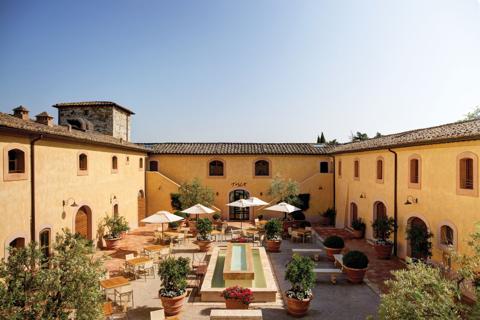
A 10th-century castle on a 4,200-acre estate, restored by Belmond: heated infinity pool, vespa tours, truffle hunts.
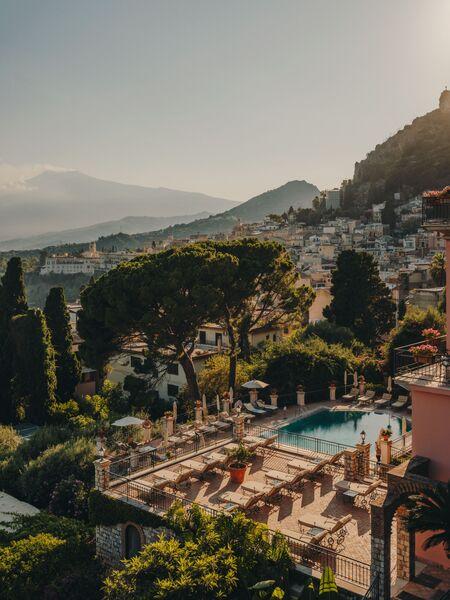
Taormina's grande dame. Right next to the Greek Theatre, and still the cliffside view: Etna on the horizon, Ionian below, the literary terrace where Oscar Wilde and Tennessee Williams used to write.
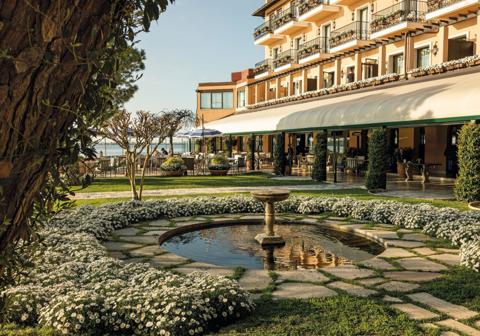
A garden estate on the island of Giudecca with an Olympic-sized outdoor pool, heated and filtered with seawater, and a private boat service that runs all night to San Marco. The retreat-style luxury option.
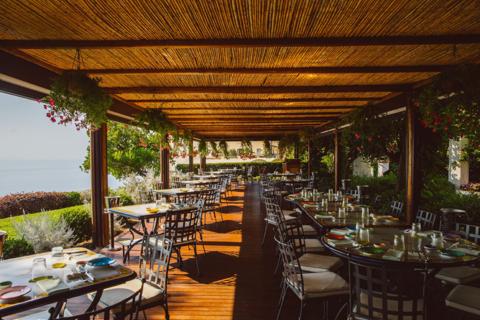
An infinity pool that ends at a thousand-foot drop. Dinner on the terrace next to it.
The original Mykonos Town design-luxury hotel: opened May 1995, 47 rooms above Chora, home to Matsuhisa Mykonos since 2003.
A collection tens of thousands of objects deep, from ancient Cycladic figurines to Byzantine icons, Ottoman-period textiles, and 19th-century War of Independence ephemera, in the Benaki family townhouse on the Kolonaki edge. The walk through post-classical Greek visual culture nobody else in the city does. The rooftop café has a small Acropolis view. Two hours is enough.
Sapsila inlet just outside Skala: opened 1997 by Benetos and Susan Matthaiou, fourteen tables on a seaside veranda, the Patmos dinner every food writer who has been to the island writes about. Book at least a week ahead. Seasonal · closed Nov–Easter.
Rolling hills, cypress alleys, ancient hill towns: the classic Tuscan landscape on an e-bike, with the gradient handled for you. Several operators run half- and full-day routes taking in wine tastings, picnic lunches, and stops at off-the-grid agriturismi. Beginner-friendly with the electric assist, and the routes mostly bend to what you want. Late spring and September are the windows.
A small Mykonos design hotel above Megali Ammos beach, open since 2006 and grown since, ten minutes' walk to Chora when you want it and far enough away when you don't.
A small Mykonos design hotel above Megali Ammos beach, open since 2006 and grown since, ten minutes' walk to Chora when you want it and far enough away when you don't.
A surreal sea cave where the water glows electric blue from sunlight filtering through an underwater cavity. Tiny rowboats, boatmen who often sing while you float inside, the whole thing over in about five minutes. Touristy, no argument, but the colour is real and there's nothing else like it. Go early or late to skip the queues.
The Medici's private garden: eleven hectares of formal Italian design with grottos, fountains, a 17th-century horseshoe amphitheatre, and clear views across the city from the upper terraces. The Grotta di Buontalenti (1583), near the entrance, has sculptures emerging from artificial stalactites.
Sixteen rooms and suites in the hills above Naoussa, with the Bohemian Essence Spa on site, ten minutes on foot above the harbour.
Bernini's Apollo and Daphne, Caravaggio in several rooms. Entry is a two-hour timed slot, 360 visitors at a time. Book weeks ahead, not days.
Ostuni's open-air aperitivo perch, on the ramps climbing toward the duomo. The view comes free.
One Michelin star, riverside, inside the Lungarno Hotel. The balcony faces the Ponte Vecchio.
A restored masseria with Moorish arches and a Byzantine rock crypt (insediamento rupestre) carved into the property: a small, art-filled masseria between Fasano and the sea.
The look is mid-century meets Mediterranean. By the De Siano and Orlacchio families, who transformed a 1960s hotel over almost four years. 31 rooms and 21 suites, all sea-view, three restaurants, an engineered elevator shaft carved through the rock face down to a private beach club.
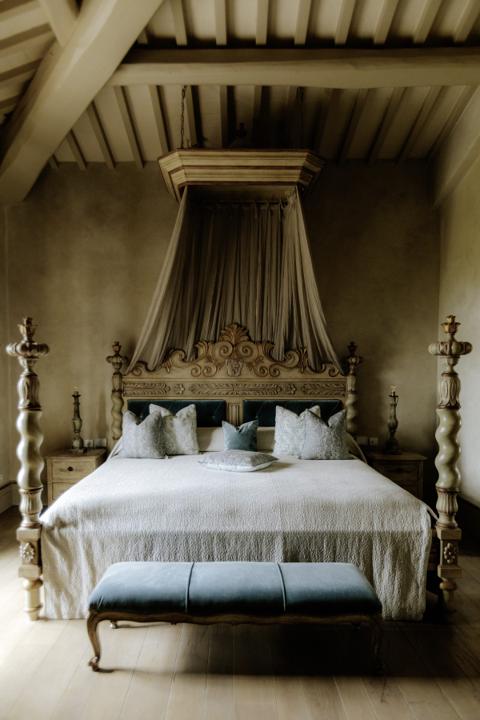
A 12th-century pilgrim's borgo restored into a wellness estate: Saporium Chiusdino (1 Michelin Star + 1 Green Star), Three Michelin Keys, Seed to Skin botanicals lab.
Chef Haris Kossyfas's Mediterranean-Greek fine dining inside the medieval Kasteli fortress of Pyrgos: an 18th-century mansion converted to a 30-seat room, with a terrace looking across the whole caldera. Modern technique on Cycladic ingredients, tasting menus only. The Pyrgos splurge dinner, easily paired with a daytime wine tasting nearby.
Lecce has a centuries-old papier-mâché (cartapesta) tradition little known outside Salento: saints, angels, and theatrical figures hand-shaped from paper pulp and painted in detail that rewards standing close. Claudio Riso works cartapesta in a small studio in the centro; his small studio is open to visitors, you watch him work, and you can take home a piece signed and dated like fine art. Small ones start at €50, the big ones run into the low thousands. About as specific as a souvenir gets.
Kyrillou Loukareos, the Heraklion morning institution. Bougatsa is the layered phyllo pastry; here it's filled with fresh Cretan myzithra and dusted with sugar and cinnamon. Eat one standing at the counter, then walk to Knossos.
A 56-room beachfront on the Platis Gialos south coast: direct sand access, walking distance to the south-coast water-taxi hub.
A full-day boat down the Brenta canal, the 18th-century waterway Venetian nobility used to reach their summer estates inland. Nine swing bridges, five locks (true 'water lifts' that raise the boat ten metres between Venice and Padua), and three guided villa stops: Villa Foscari 'La Malcontenta,' Villa Widmann, and the vast Villa Pisani at Stra. The pace is slow on purpose; the views are weeping willows, Palladian facades, and a slow-Veneto silence you won't find in the city. Nine and a half hours, lunch optional and not included. Occasionally cancelled when the Brenta runs shallow, so check the forecast.
At Santa Marina, a Luxury Collection Resort on the private Ornos peninsula: the Buddha-Bar group's Mykonos outpost, pan-Asian on a terrace cantilevered over the bay. Sunset DJ set from 6 p.m., dinner from 7.30. The Ornos splurge, easier to book than Matsuhisa or Beefbar, almost the same scene with slightly less Town-circuit pull.
An 18th-century palazzo on a private street between Montenapoleone, La Scala, and the Accademia di Brera. The 4,000 m² private garden is the argument.
Capri's historic gelateria. The waffle cones are made on the spot; you smell them from the Piazzetta.
A fishing village where every house is painted a different brilliant colour, supposedly so fishermen could find them through the lagoon fog. Each colour needs a permit from the local government, which keeps the palette in order. The Museo del Merletto explains what you're looking at. Lunch at Trattoria al Gatto Nero (book ahead) for the risotto di gò. Half a day, easy.
Ostuni's specialty-coffee café in the centro storico. Trained baristas, Viennese pastries, a stop on the way up to the duomo.
Twelve rooms total in a 16th-century palazzo behind Santa Maria della Salute: five themed "concept" rooms alongside traditional deluxe doubles and suites. Theatrical, romantic, adults-only (16+).
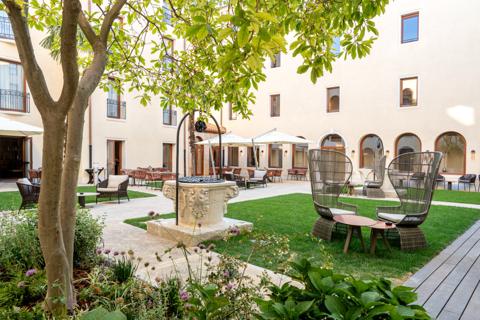
A 13th-century pilgrims' hostel turned design hotel by Patricia Urquiola: Small Luxury Hotels-affiliated, on the Castello lagoon-front, with the Arsenale and the Biennale a five-minute walk away.
A late-14th-century palazzo redone in Italian Art Deco: Memphis-meets-Futurist furniture, custom marquetry.
Lecce's historic café on Piazza Sant'Oronzo, with outdoor tables facing the Roman amphitheater.
The classic Castello breakfast spot: terrace built into the city's medieval walls, the entire Gulf of Angels in front of you, the locals' morning ritual.
The Art Nouveau caffè on the corner of Piazza del Popolo, in business since 1907 and still pouring the Meletti anisette made in the back. Hemingway and Sartre passed through.
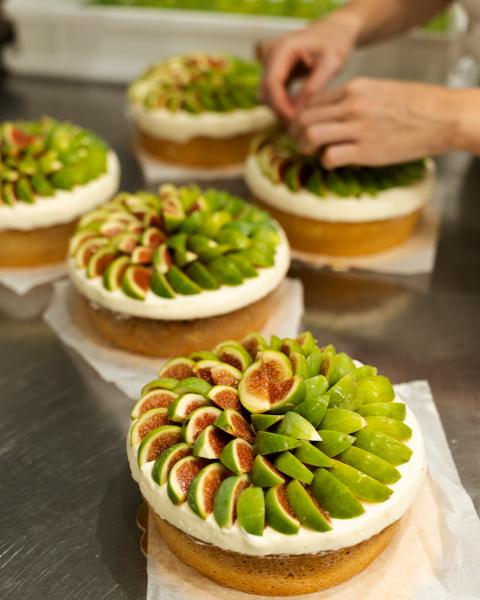
The Corrado Assenza shop on Corso Vittorio Emanuele in Noto. Four generations of Assenzas, one Netflix Chef's Table episode, and Corrado Assenza still running the counter most mornings.
Cagliari's big covered food market, two levels of about 4,000 m² each. The city's answer to Palermo's Capo: shouting, ice, bottarga in eight forms, sea urchins by the half-kilo (€10), and the pace of a real working market nobody has tidied up for tourists. The historic building has been closed for renovation since March 2025 and the traders have moved to a temporary market in Piazza Nazzari; go there, not to the old hall. Open until 2 p.m., Monday to Saturday. Don't eat breakfast first.
Reachable only on foot: roughly 3.5 km and about 500 m of descent from the Golgo plateau down to a white-pebble cove with a 143 m limestone pinnacle and a natural arch. There's a 250-people-at-a-time cap and the permit books out, so reserve via the official Heart of Sardinia app days ahead. Arrive before 10 to make the day work. Closed shoes with grip, not sandals, and 2L of water minimum.
Opened by Davide Campari himself in 1915, in the Galleria Vittorio Emanuele II directly facing the Duomo. Listed in the World's 50 Best Bars extended ranking.
The Chaidemenos family's Canaves Collection runs four Santorini properties: Ena, Oia Suites, Epitome and Sunday. Canaves Oia Suites has 46 suites and villas at the top of Oia, with the Petra restaurant and a grotto spa cut into the cliff.
Open since 1462, behind the Rialto Market. Copper pots on the ceiling, no seating, francobolli by the dozen.
A 15th-century bacaro near Rialto that was reportedly in Casanova's little black book. Known on the counter for its polpette.
In the Jewish quarter of Trapani, and a place on the island to eat the western-Sicilian dishes that don't really travel beyond the province.
A modern glass-and-granite tasting room cut into a hillside between Porto Cervo and San Pantaleo, ringed by its own Vermentino vines. Nine tasting experiences run €45–90 per person, and the kitchen does a proper Sardinian lunch if you book it. Five of the twelve labels are Vermentino di Gallura, two of them DOCG Superiore; the two Cannonau reds are the sleepers.
A Dorsoduro family bacaro on the canal across from the gondola workshop. The tuna-with-cocoa crostino is the one to order.
The southernmost point of mainland Greece: a Mani cape with a 19th-century lighthouse, the mythological "Gates of Hades," and a sunrise that sets the Aegean on one horizon and the Ionian on the other. Drive in via Vathia and walk the last 30 minutes from the parking. Bring water; there's no shade.
Antonio Cappadonia trained in Bronte and brought that gelato to central Palermo: single-origin pistachio, milk from a single Madonie dairy, no commercial bases.
Why you come to Spello. Pinturicchio's 1501 fresco cycle in a side chapel of the parish church: saturated colour, Renaissance landscapes behind the biblical scenes, detail you stand in front of for thirty minutes. Drop a euro in the light box. Drive from anywhere in Umbria.
The Norman royal chapel inside the Palazzo dei Normanni, built between 1132 and 1140, with floor-to-ceiling Byzantine gold mosaics and a wood-carved muqarnas ceiling done by Arab craftsmen for the Norman king. The room in Sicily, and one of the few places you see the Norman, Arab, and Byzantine fusion working in one space. Go right at opening (8:30 a.m.) before the tour buses. Closed Sunday afternoons.
A five-minute walk from the Piazzetta on a residential street, with interiors by Milan architect Giampiero Panepinto: vintage furniture, hand-painted bathroom tile and themed suites. Heated pool, rooftop bar, Leading Hotels of the World.
A small, well-run guesthouse in the upper part of Adamas, with bright rooms and a courtyard for breakfast.
Sivota harbour on Lefkada's south coast: the long-running waterfront fish taverna in the chain's most-photographed small-harbour bay. Pick the catch off the ice; eat it slowly. The Lefkada dinner if you're basing south of the bridge.
A family-run small hotel in Skala, Patmos's harbour town, 50 metres from the ferry quay. Use it for easy harbour and restaurant access.
150 m from Gaios main square: a Gaios garden restaurant with a small, daily-changing menu of Paxos cooking pushed half a notch up. Local fish first, and an unfussy wine list.
A 4×4 drive into the active marble quarries where Michelangelo sourced the stone for the David: chalk-white cliffs cut into geometric terraces, still being worked. The terrain is stark. Most tours include the quarry visit and a stop at the small mining museum; closed-toe shoes required. Pair it with lunch in Carrara town or seafood at Marina di Carrara on the way back.
A Capri perfumery that still bottles by hand: local lemon, wild fig, mint, rosemary. The flagship on Via Camerelle is small, atmospheric, and run by staff who know fragrance. Mediterraneo and Numero Uno are the signatures, both unmistakably island.
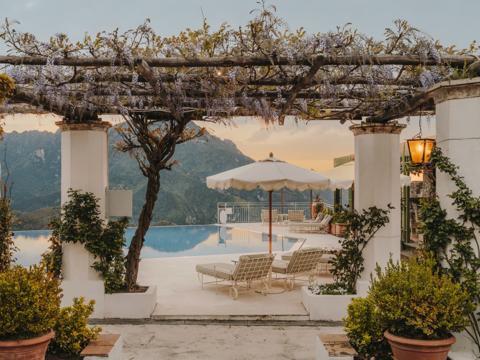
A heated infinity pool that ends at a thousand-foot drop, in an 11th-century palace in Ravello.
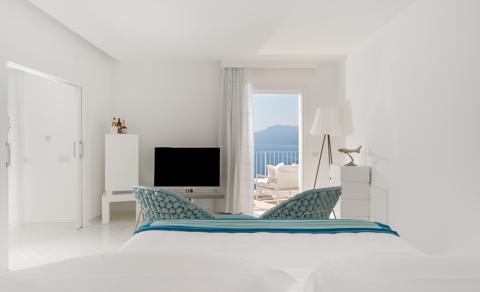
All-white, art-filled, 39 pristine rooms and suites hanging off a Praiano cliff (including 4 ultra-exclusive Eaudesea Experience Rooms down at the beach) with a private elevator down to the sea. Sunset-facing, which on this coast is the side you want.
The Cipriani family's second hotel-and-private-club property after the New York flagship, inside Palazzo Bernasconi on Via Palestro 24. Members-and-guests-only restaurant and roof.
Palazzo Frau in Cagliari, between the Bastion of Saint Remy and the Marina, opened January 2023. Nine artist-designed suites under artistic director Giorgio Casu, an open-kitchen restaurant working with local seafood and Nieddittas mussels, a courtyard plunge pool and the rooftop Torrino terrace over the Gulf.
Adults-only design hotel on Rhodes's north-east coast at Kolymbia: bohemian-Mediterranean styling (the brand made its name), and a serpentine pool spine. 30 minutes from Old Town, 30 from Lindos. Currently open and operating.
A 1905 hilltop villa built by the English painter Robert Kitson, later inherited by his niece Daphne Phelps, who ran it as a salon for much of the 20th century: Tennessee Williams, Picasso, Bertrand Russell, D.H. Lawrence all passed through. It holds what the museum says is the only surviving Frank Brangwyn-designed interior in the world, made in 1910. Visit by guided tour only; book by email a day or two ahead. Daphne's memoir A House in Sicily is the thing to read first.
The Perugina factory and museum just outside Perugia. Luisa Spagnoli created the Baci chocolate kiss at Perugina in 1922. Tour the production line, then taste in the café.
The Chania Old Town flagship: a 17th-century Venetian mansion behind the harbour, 24 suites around a pebble-mosaic courtyard, Small Luxury Hotels member, the rooftop with the harbour-and-mountain view. Chania at the top of the boutique tier.
Half design store, half breakfast room. One of the few places in Positano that makes sense before 10 a.m. without a cornetto involved.
An 1800s villa-and-lemon-orchard turned 9-room boutique, run by the great-grandchildren of Mariantonia. Anacapri's quiet side, away from the day-tripper churn. Capri without Capri Town pricing.
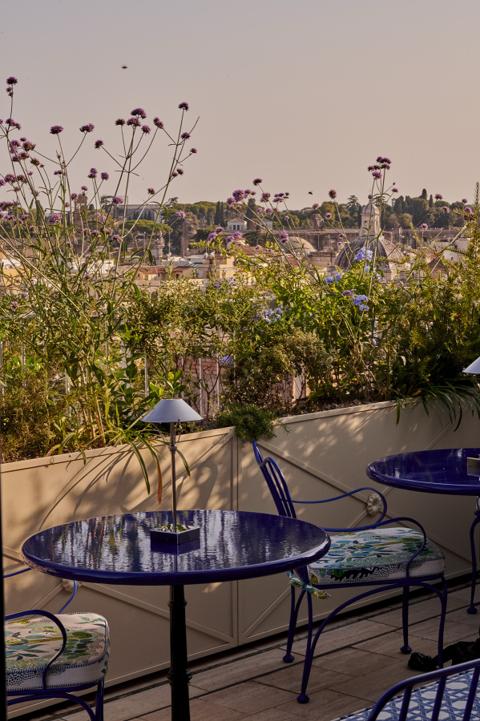
Five-star boutique by the Leitmotiv group, opened 2024 in an 18th-century palazzo, with interiors by Laura Gonzalez. 36 rooms and suites across six floors, a rooftop bar and a Susanne Kaufmann spa, in Monti.
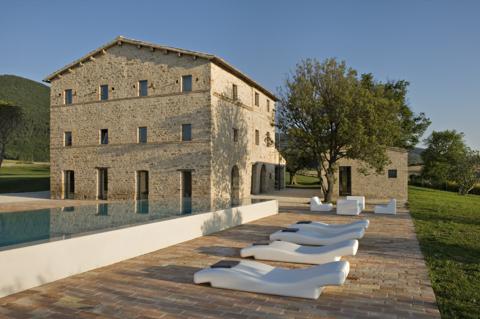
A restored stone farmhouse in the Marche hills outside Treia, restored by Swiss architects Wespi de Meuron Romeo. Available exclusively as a private villa rental, by the week.
Michelin one-star plus a Michelin Green Star (a Michelin Green Star in the 2026 guide in the 2022 Italian selection), inside a turn-of-the-century castle in the Primitivo wine country.
A sandwich shop and salumeria at the entrance to Ortigia's daily market, with panini built theatrically by hand.
Frederick II's octagonal hunting castle, built in the 1240s in the middle of nowhere on a hilltop in the Murgia. Eight sides, eight towers, eight rooms per floor: the geometry is mathematical and faintly unsettling, and nobody fully knows what it was for. Forty minutes inside is enough. The drive across the Murgia, all stone walls and trulli and almond trees, is the better half.
An 11th-century monastic village in the Chianti hills, now an estate hotel laid out across the original village. Gordon Ramsay's restaurant on site, plus a full spa.
A 700-year-old castle on the old royal road to Assisi, restored as an 18-room boutique hotel with Ristorante Gradale in the keep. Romantic without being twee.
A 1,000-year-old castle on a 1,500-hectare estate straddling the Umbria–Tuscany border. 36 rooms, two restaurants, a spa in the old wine cellar, horses.
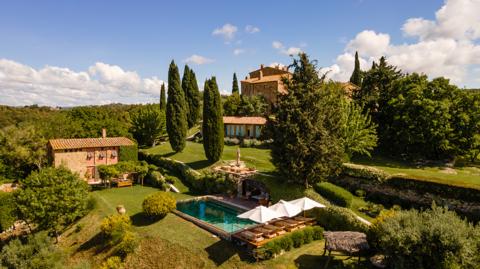
A 12th-century castle in the wild Maremma, restored over 18 years by the Baccheschi-Berti family: nine suites, two infinity pools, 40 hectares of vineyards.
First-century Christian catacombs cut into the volcanic rock above Tripiti. 20 minutes from Adamas by car, then a ten-minute walk from the parking lot. Three chambers, 184 metres of corridor, once holding the remains of some 8,000 early Christians. A small museum sits at the entrance; bring a light layer, the rock keeps its cool. Combine it with the nearby Roman amphitheatre and the marker where the Venus de Milo turned up in 1820.
A 17th-century Venetian palazzo directly on the Liston: the rooftop bar is the city's casual-with-a-view drink, the rooms are simple but the location is as central as Corfu gets. The historic Old-Town address.
Cavo Tagoo's Santorini property opened in 2021: 11 cliff-cut suites in Imerovigli, with Roka and a Greek modern-cuisine restaurant on site.
A Plaka hillside hotel facing Spinalonga, with interiors by Gian Paolo Venier and menus by Lefteris Lazarou (the original Greek-Michelin chef from Varoulko).
Adults-only (15+) cluster-style boutique at Mousata, above Trapezaki Beach
Hand-painted Mediterranean ceramics in whimsical patterns, espresso cups from €20 to hand-decorated platters north of €300. The Ravello workshop has been in the same family for three generations. They ship internationally, so don't stress about luggage weight.
Capri's jewellery house, family-owned since 1947. The signature Campanella charm, a tiny coral or gold bell, dates to the house's early years. Each piece is handcrafted in Naples, and vintage capsule collections sometimes surface if you ask the archivist.
Seven rooms a block from the Peggy Guggenheim, with contemporary art on the walls, minimalist Italian interiors and no lobby.
The Greek street-food benchmark on the main stepped lane of Ano Syros: lamb and beef from the local butcher, charcoal grill, pita wrapped while you wait, €4–6 a meal. Order one of each (lamb gyros + pork souvlaki) with a cold beer, and eat on the stone step outside. Open late, busy with the weekend crowd; walk it off back down to Ermoupoli.
Chania Old Harbour: a Sfakia-village family running a Chania dining room around the dish they raise the meat for, tsigariasto, slow-cooked lamb in a clay pot with mountain herbs. Hand-kneaded breads, and slow-Cretan cooking across the rest of the menu.
Michelin Bib Gourmand in the 2026 Guide Italia, in a 15th-century former convent in the Ceglie Messapica old town.
In Cisternino, several butchers (macellerie) double as evening grills. You walk in, pick from the meat counter (bombette, pork roulades filled with caciocavallo; salsiccia; lamb skewers), and they grill it on the spot. You eat at plastic tables on the street with house wine in plastic cups. €15 a head. Zio Pietro and Ai Tre Punti both do it.
The Greek mattress-maker's 5-star design hotel in Koukaki: the sharpest design stay in the neighbourhood, with a rooftop Parthenon view the postcards don't oversell.
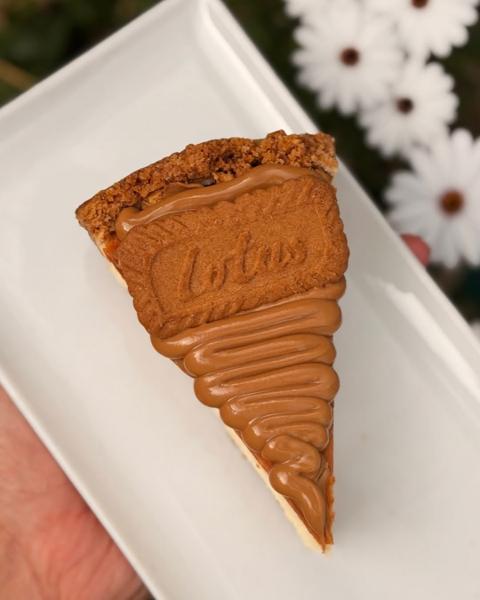
Main bakery at the top of Positano on Via Pasitea (cards accepted); seasonal granita cart down at Spiaggia Grande in summer. €3 in a paper cup at the cart, no ceremony.
Hands-on Campanian cooking in a working family kitchen above Ravello. Lemon cake, pasta from scratch, eggplant parmigiana, end the morning eating what you made on a terrace with the gulf below. Mamma Agata started cooking professionally as a teenager; her daughter Chiara runs the classes now.
Armando and Rosalba's eight-course lunch is the draw; the cooking class that precedes it is the more useful purchase. Three or four hours in the masseria kitchen learning orecchiette, taralli, and one slow-cooked secondo, ending at the long table with the wine they make on the property. Reserve weeks ahead. Vegetarians and chefs both come back.
Three hours from 9 a.m.: you meet the chef at Ortigia's daily market, shop for fish, vegetables, and bread together, walk back to a private kitchen on the island, and cook three Sicilian classics (a pasta, a fish, a contorno) to eat for lunch with wine pairings. The Sicilian Slow Food chapter runs a good version. €110–140 per person.
Pangrati's modern Greek anchor since 2014, opened by five chefs (Koskinas, Zournatzis, the Liakos brothers, Karathanos) and now under Periklis Koskinas alone. Modern technique on Greek ingredients: lamb with lemon and oregano, fava with capers, market fish. The Pangrati lunch, with a couple of glasses of Assyrtiko.
Grecotel's flagship Corfu property: 30 acres on its own peninsula at Kommeno, four Blue Flag beaches, gardens that have been planted for fifty years, at a scale most of the chain has never had. Reopens for the 2026 season on April 24. The mid-tier-luxury alternative to Ikos that doesn't trade on novelty.
The UNESCO Old Town in one slow morning: the Liston
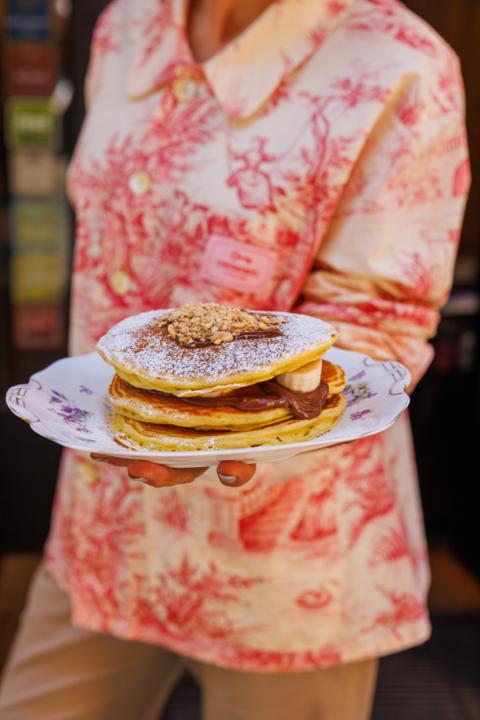
A sit-down breakfast on a quiet side street: ricotta pancakes, shakshuka, beautiful ceramics.
A garden-courtyard seafood trattoria in Castello, hidden behind an unmarked door. Long, late, wine-drenched dinners.
Cortina hosted the women's alpine events of the 2026 Winter Olympics, and Olympia delle Tofane, the women's downhill course, is one you can ski. The Tofana, Faloria, and Cinque Torri areas connect by shuttle. 120 km of slopes, mostly intermediate, plus the Hidden Valley / Armentarola run off Lagazuoi: a 7.5-km off-piste descent with a horse-drawn tow at the end to get you back to Alta Badia. Famously surreal.
Carlo Cracco's multi-level restaurant inside the Galleria Vittorio Emanuele II: one Michelin star, a private fumoir, and a wine cellar with 10,000 bottles. The address is the argument.
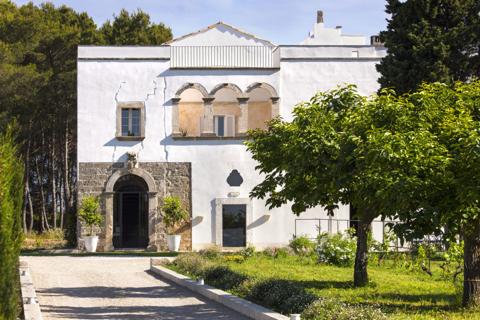
A six-room estate in the deep Salento countryside, owned by Alessandro Ghione, with citrus groves and an organic vegetable garden outside the windows, and candlelit orchard-to-table dinners.
Alexandros Tsiotinis's one-Michelin-star kitchen at 15 Plateon St in Kerameikos, open since 2015 and starred since the 2022 Guide. Modern Greek cooking with European technique, a small dining room, a chef who walks the plates out and explains them. A cab ride west of the centre; book two weeks ahead.
Five-star, 18 rooms and suites in a 17th-century palazzo on Via Giulia, once a Claretian monastery. Verve on the roof, the Liquor Room downstairs.
Look for the boat with the red fish on the mast. It leaves Positano's main pier hourly between 10 and 1.
A waterfront granita bar in Lingua, on Salina.
Built into its own private cove just east of Agios Nikolaos: 300 rooms cascading down the cliff to a private beach, four restaurants, the largest resort in the east-coast cluster.
Fried baccalà in paper with lemon. That's it. Open evenings only.
Villa d'Este's terraced Renaissance gardens: hundreds of fountains, cypress alleys, the Oval Fountain, the Avenue of a Hundred Fountains. An hour by regional train from Termini. Go on a weekday, and pair it with the Roman ruins at Villa Adriana for a full day.
The UNESCO archaeological islet half an hour off Mykonos by ferry, ranked behind only the Acropolis among Greek antiquities sites, and the mythological birthplace of Apollo and Artemis. Catch the 9 a.m. boat from Mykonos Old Port; the whole uninhabited island is the site (terraced houses, mosaic floors, the marble lions, an amphitheatre). Two and a half hours before the last boat back at 2 p.m. Closed Mondays.
The UNESCO ancient city on the sacred islet half an hour off Mykonos, ranked just behind the Acropolis among Greece's archaeological sites. Catch the 9 a.m. boat from Mykonos Old Port; the whole island is the site, uninhabited now, with terraced houses, mosaic floors, the row of marble lions, an amphitheatre. Bring water, a hat, good shoes. You get two and a half hours before the last boat back at 2 p.m., and it's closed Mondays. The people who write it off as ruins are the ones who didn't go.
The Stavros Niarchos Foundation Cultural Centre's two-Michelin-star dining room, and Greece's only 2-star restaurant. Chef Giorgos Papazacharias opened it in July 2021; it received two stars and a Green Star in the 2022 Guide after its first evaluation. A single 12-course Omnivore tasting menu, on Renzo Piano's rooftop on the south edge of Athens, looking across the SNFCC's olive groves to the Saronic Gulf. Time it with the Greek National Opera in the building below.
In the hilltop village of Mavrikiano just above Elounda: a family-run taverna with boat-caught fish, a courtyard, and the long view down to Spinalonga. The cab down at midnight is part of the night.
The uninhabited islet off Antiparos's southwest coast: a 7th-century-BC sanctuary of Apollo, still being excavated, and one of the most significant in the Cyclades. Boats run from Agios Georgios
A 1920s-era former wine factory on the Ilia coast: 34 suites converted from the original concrete wine tanks (kept intact, the doors are oversized iron). Design Hotels member, open April–October, the most architecturally interesting stay on the western Peloponnese coast. Pair with an Olympia morning.
An 8-villa private estate on Tinos: eco-built and sea-facing, several with private pools, a large shared infinity pool, and a full kitchen in every villa. The Tinian stay for a longer week.
A restored 1800s estate 15 to 20 minutes by car from Noto, with terraced gardens, citrus groves and a 25-metre pool looking toward the sea, in the Val di Noto.
A basement taverna on the corner of Sokratous and Theatrou inside the central market, going since 1887, with no sign, no menu, and lunch only. Mitsos brings you whatever's cooking that day in clay pots (revithia, gigantes, anchovies, hand-cut salad). Retsina comes from a barrel in the corner. Cash only, and it closes when the food runs out, usually around 4 p.m.
A 1,200-metre underground river cave on the Mani’s west coast: you boat in on the punted skiffs, which follow the underwater Vlychada river, then walk the dry chambers. 40 minutes from Areopoli. The Mani half-day that isn’t another stone-tower village.
A third-wave coffee bar with multiple locations and an actual flat white.
The seat of the Venetian Republic for 700 years. Tintoretto's Paradise covers an entire wall of the Great Council Chamber. The Bridge of Sighs connects the palace to the old prison; Casanova was held in the cells beneath.
On the former Onassis-era Miramare estate on the Corfu south coast: adults-only, Marriott Luxury Collection, bungalows in mature gardens.
An adults-only Marriott Autograph hotel at Agii Apostoli, 4 km from Chania Old Town, with garden-set rooms and optional plunge pools.
The full-scale luxury resort on the south coast: pools, multiple restaurants, the spa. Marriott Autograph footprint, about 25 minutes by car from the island's main towns.
Marriott Luxury Collection, designed by Lambs and Lions (Berlin): the Chania-area design alternative to Casa Delfino, on the beach west of the Old Town. Plunge pools in the higher categories, an on-site pottery atelier, and the better hotel restaurant on this stretch. Family-friendly, despite the design-magazine aesthetic.
Nero's buried pleasure palace, directly beneath the Colosseum crowds. VR headsets rebuild the frescoed rooms as they looked at completion: gold leaf, painted ceilings, a rotating dining room. Book the slot with the VR rather than the standard entry.
One Michelin star (the original Sant'Agata location, in the 2026 Guide), the Iaccarino family across multiple generations, and a working organic farm at Punta Campanella that supplies the kitchen.
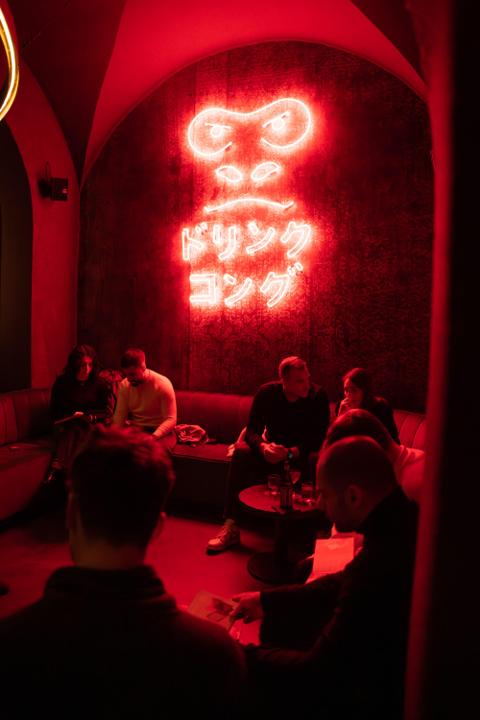
Neon-lit and cocktail-obsessive. The current list is called "Flux."
The classic Umbria drive. Two hours each way, climbing from Spoleto into the Apennines. Stop in Norcia (the truffle and salumi town, rebuilt after the 2016 earthquake), then up to Castelluccio for the views. Eat lentils. Buy salami. Don't rush.
A food speciality store open since 1948, on a calle that has housed Venetian spice merchants for six hundred years. The Mascari family still trades it: 50 kinds of honey, sun-dried tomatoes, truffles, candied fruits, balsamic vinegars aged twenty years, and a separate wine room with 600+ Italian labels. Closed Sundays.
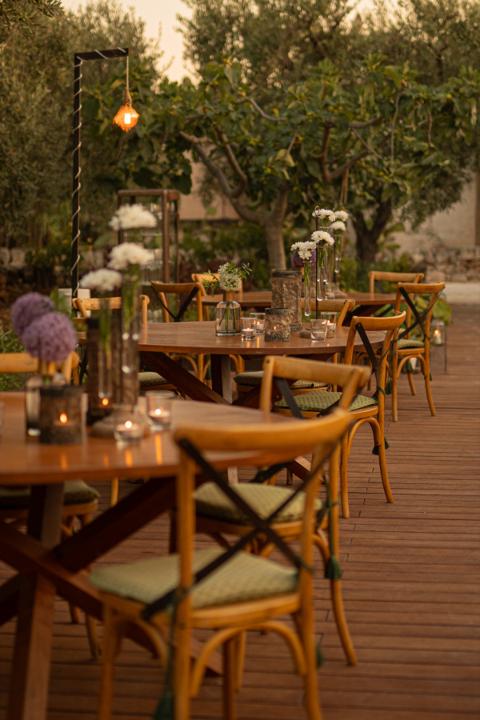
Borgo Egnazia's flagship Michelin-starred restaurant, chef Domingo Schingaro's precise read on Pugliese tradition.
The façade is a landmark of Italian Gothic: striped marble, mosaics, sculpted bronze doors. Inside, Luca Signorelli's Last Judgement frescoes in the San Brizio chapel (1499–1504) pre-date the Sistine ceiling. Vasari wrote that Michelangelo borrowed from Signorelli for his own Last Judgement. Pay the small chapel ticket; the rest of the cathedral is free.
The original Roman road, largely car-free on Sundays, lined with pine trees and ancient tombs for miles. An e-bike covers a lot of ground without the suffering: the catacombs, the Circus of Maxentius, the tomb of Cecilia Metella. EcoBike Roma, the official park-services operator inside the Appia Antica gate, runs guided rides and rents by the hour; self-guided works too if you've mapped it.
SanBrite's casual sibling: the family agriturismo at 1,800 metres, in a larch wood off the road to Misurina. Reachable only by car or a 30-minute uphill walk.
The far-west lagoon: pale-pink crushed-shell sand, turquoise shallows running 50 metres out, a protected Natura 2000 islet you wade across to reach. 90 minutes from Chania. Go before 11 a.m.; by lunch the day-buses land and the picture changes. Lunch at the small taverna on the headland.
Ritsa beach, just outside Kardamyli: tables under the olive trees, lunch and dinner, attached to the Elies Hotel. The slow second meal in Kardamyli, after Lela's. Excellent grilled vegetables and the local pork.
Relais & Châteaux since 1988, with the Old Mill restaurant on-site (R&C Toque d'Or) and 88 rooms across hotel, bungalows and suites.
A cluster of stone-and-pine villas and rooms set into a private cove just outside Fiscardo, with the Ionian directly below. Small Luxury Hotels tier.
Six rooms run by Andrew and Claire in the quiet Nimborio bay 2 km from Yialos: water-taxi access in and out, and swimming from the rocks below.
Le Sirenuse's in-house boutique on Via Cristoforo Colombo: embroidered shirts, tailored linens, hand-blocked kaftans from the line Carla Sersale founded, now designed by her niece Viola Parrocchetti. Resort wear you keep wearing ten years after the trip.
The kitchen worth driving across the island for. Modern-Greek done with restraint in a Pollonia courtyard: sea-urchin pasta, smoked-eel saganaki, plating that lands without straining for it. Book a week ahead in season.
Two Michelin stars, chef Domenico Stile, inside Villa Laetitia: Anna Fendi's early-20th-century Art Nouveau villa on the Tiber, built in 1911 by Armando Brasini. Open Wed–Sun.
Florence's three-Michelin-star institution (since 2004): Italian-French technique on seasonal Tuscan ingredients.
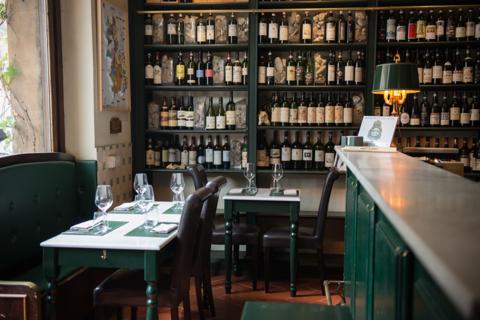
A small wine bar facing Palazzo Pitti: narrow, wood-paneled, with a Tuscan list that runs deep into Sangiovese.
A wine bar and tasting room in the centre of Spoleto specialising in Umbrian wines: Sagrantino, Trebbiano Spoletino, Grechetto. Order by the glass at the bar.
The 4th-century-BC theatre with the acoustics everyone tests: drop a coin in the centre of the orchestra and it carries to the top row. 14,000 seats, still in use for the summer Athens-Epidaurus Festival (June to August). Pair it with Mycenae as one morning loop out of Nafplio.
Plateia Eleftherias 43, on the rooftop of Legacy Gastro Suites: wood-fire and parastia (mound-coal) cooking in a glass-walled room overlooking the city. Tarama Sfakiani, beef tartare, youvetsi orzo with short ribs, tuna kebab. The Heraklion dinner where reserving sunset pays off.
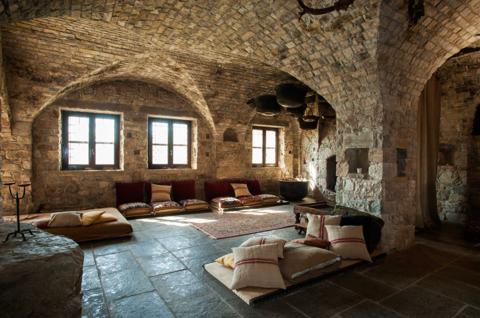
A reconstructed stone monastery in 3,000 hectares of protected Umbrian forest. No Wi-Fi, no TVs, no phone signal, silent dinners. The full digital detox.
38 rooms above the Ergon food market on Mitropoleos: a hotel and a working all-day market in one building, between Syntagma and Monastiraki.
The clifftop bar-and-restaurant on the wild Erimitis cliffs of north-west Paxos: Go before sunset for a glass of Robola above the cliffs, then stay for dinner under the stars.
A family-run hotel with fewer than 20 rooms on the Lakka side of Paxos, connected to the Erimitis cliff-top bar and restaurant on the west coast.
The oldest continuously-operating family producer on Santorini: Yiorgos Argyros's great-grandfather Matthaios planted the first vines in Episkopi Gonias in 1903. Four generations later, Matthew Argyros runs the estate, and the cellar holds Vinsanto stocks going back to the 1960s. The library tasting (€60, by appointment) walks through the oldest bottles; the standard tasting (€30) covers the current vintages. The Cuvée Monsignori Vinsanto is the bottle Santorini sommeliers point to.
The newest producer worth visiting: opened 2017 in Vourvoulos by the Valambous family, with a tasting room designed as an architectural statement on its own (white concrete, indoor-outdoor, a sunset view across the vines). Younger estate, modern winemaking, accessible price points (€25 for the flight). The Plethora old-vine Assyrtiko is the bottle to buy; the Nassitis cuvée and the Aidani are the other tastes worth doing.
A natural-wine restaurant in Dorsoduro from the Spezzamonte brothers: 600 bottles, modern Venetian cooking, a young dining room in the city.
The way to do Etna if you've only got one afternoon. A half-day 4x4 up to 1,900 m (the Silvestri craters, the 2002 lava flow, the old quarries on the north side), then back down to one of the volcano's natural-wine producers, Pietradolce, Passopisciaro, or Tenuta di Fessina, for a sunset tasting. Looser, slower, and less of a slog than the summit hike, and you can drink at the end of it.
The Etna DOC works old-vine Nerello Mascalese on volcanic soil at 800 m, making reds that taste like nothing else. Three to book a tasting with: Passopisciaro (the Andrea Franchetti pioneer), Pietradolce (the Faraone family's estate, top-rated reds), and Tenuta delle Terre Nere (Marc de Grazia's flagship). Each €25–40, two hours including a barrel tasting. A half-day with a driver is how to do it.
Cable car from Rifugio Sapienza to 2,500 m, then a 4x4 bus higher, then a guided walk. Access above the cable car is zone-based, not altitude-based. The standing rules: the summit-crater zone may only be crossed with an authorised alpine or volcanological guide, in transit without stopping, and a 500-metre exclusion applies around the Sud-Est crater at all times (Ordinanza Sindacale n. 17 of 10 September 2025; checked July 2026). Separately, the civil-protection alert phase can change the same day: at PREALLARME the summit-crater zone closes, and at ALLARME the whole summit zone closes. Check the live status before you travel: the national alert level is published at rischi.protezionecivile.gov.it, and the mayors' ordinances at parcoetna.it. Your guide may shorten or cancel the walk on the day. The zone closes when civil protection raises the alert permitted). Half-day from Catania. Bring layers; even in July the summit drops below 10°C and the wind cuts.
Kato Korakiana, 20 min north of Corfu Town: chef Ettore Botrini's flagship, in a converted family home with a garden. Botrini holds a Michelin star at his Athens restaurant, and Etrusco is widely cited as Corfu's most ambitious kitchen. Modern Greek-Italian tasting menu; book 2+ weeks ahead in summer.
A destination wellness spa in the Mystras hills above Sparta: Healing Hotels of the World member, programmes built around traditional Greek-and-Asian wellness systems. Book it for the spa, not the bed. Pair with a Mystras Byzantine-ruins morning before checking in.
Two seasonal anchors. EuroChocolate runs the second half of October in Perugia, when the centro storico is given over to chocolate makers from Italy and beyond. The Acqualagna National Truffle Fair runs three straight weekends from late October into early November, over in the Marche. If you're here in autumn, build the trip around one or the other.
A courtyard restaurant in the back of Folegandros Chora, three family generations deep. The signature is matsata, the island's hand-rolled pasta, served under a slow-cooked ragù; the fava is the warm Cycladic standard. The courtyard is the table, the inside dining room is the consolation; reserve a week ahead in August.
The bar inside Il Palazzo Experimental on the Zattere: discreet side entrance, Cristina Celestino interiors, a seasonal Italian-spirits list.
Adults-only wellness boutique on the Kefalonian south coast at Lourdata: yoga pavilion, plant-based menu option, and the bay below for the morning swim.
Fabriano has made fine paper since the 13th century; a 1514 letter by Michelangelo and a Raphael drawing have both been matched to Fabriano paper by watermark. The Museo della Carta runs working presses and a small atelier where you can try the cotton-rag technique yourself. Email ahead to reserve the workshop; standard entry is walk-in.
A walk-up counter on Aiolou Street that built the Athens falafel argument: falafel fried to order, stuffed into hand-cut pita with tahini, pickled cabbage, hot sauce, and fresh herbs. €4 a pita, eaten standing on the sidewalk. The vegetarian answer to souvlaki, and the line moves fast.
A long sandy crescent on the south coast: no road access to the beach itself (a short walk down from the parking), turquoise water, dramatic cliffs to the south. The Faragas Beach Club at the south end has paid sunbeds; the north end is free and quieter, which is not a difficult decision. Pair with lunch at Aliki Restaurant on the way back.
A specialty coffee bar on Via Piave. Single-origin, pour-over, weekly-rotating specials.
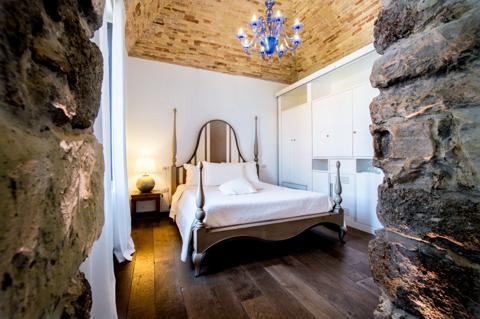
A working nineteenth-century lighthouse on a clifftop in southern Sardinia, restored into an 11-room luxury hotel: infinity pool over the sea, candle-lit dinner gazebos in the garden, reached by a dirt road.
By the small mosque at the eastern end of Kastellorizo harbour: a former lighthouse converted into the island's day-swim-and-sundowner spot. Glass-clear water off the harbour rocks; cocktails as the sun drops over Turkey. The Kastellorizo defining moment.
A micro-jungle of mossy rock, cascading streams, and freshwater pools under ancient chestnut trees, under thirty minutes inland from the coast. The counterpoint to the cliffside glamour: cool, green, slow, almost nobody. Bring a swimsuit and reef shoes; the lower pools are worth a swim.
Running every summer since 1958. Opera in the Roman amphitheatre, theatre in cloistered courtyards, dance, contemporary music, visual arts. Tickets €25–€60 for most events; book by April when the programme drops.
The 10-kilometre cliff-edge path from Fira to Oia, through Firostefani and Imerovigli, past Skaros Rock, along the ridge into Oia. Three to four hours depending on stops. Almost all paved, with some climb in the Imerovigli section. Walk early
The photogenic fishing village plus a sheltered swimming bay. Quieter than Klima, easier than Tsigrado, with one decent taverna for after-swim lunch. Our pick when Sarakiniko is at capacity.
A narrow inlet between two cliffs spanned by a single road bridge, with a pebble beach below reachable by stairs. Less crowded than its reputation suggests. Go before 11 a.m.
The steak-and-grill room at the Romanos: open-fire cooking, dry-aged Greek beef and a heavy red-wine list.
Built into the side of Monte dei Cocci in Testaccio, with arched brick walls that stay cool in summer.
Adamas harbour stalwart since the 1970s. Mezze, fish, the local Milos cheese pies. Unfashionable on purpose; the menu hasn't changed and shouldn't.
No road, no power line, no phone signal: drive the dirt track north of Ano Mera until the bay opens, then swim. The taverna sits right on the sand, lunch runs three hours, and everyone there made the same deliberate drive to get to it. The Mykonos afternoon that ignores Mykonos.
At the end of a dirt track on the north coast: no asphalt, no power line from the road, no signage. Fokos beach is small, the taverna sits on the sand, and the only people there are the ones who knew to drive over. Order fish and salads and allow three hours for lunch. Cash is easier than card; there are no reservations.
Not a sunset so much as the whole evening rhythm of the Chora, walked slowly through the three connected squares as the houses light up. No cars; one pedestrian street snaking from Plateia Piatsa to Plateia Maraki to Plateia Kontarini. Do it between 7 and 9 p.m.: the bougainvillea supplies the colour, the cats supply the company, dinner is booked for 9 or 9:30. It beats any view-bar sundown the island sells you a cocktail for.
Rem Koolhaas designed the campus; Miuccia Prada commissioned the foundation. Contemporary art in a converted distillery, including the gold-leafed Haunted House. Bar Luce (Wes Anderson) is downstairs. Allow three hours minimum. The Osservatorio outpost at Galleria Vittorio Emanuele runs separate exhibitions.
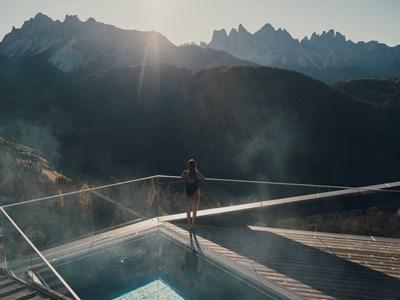
The adults-only design retreat at 1,800 metres on the Plose mountain above Brixen: spare, pale-wood, floor-to-ceiling-glass suites looking straight onto the Geisler range.
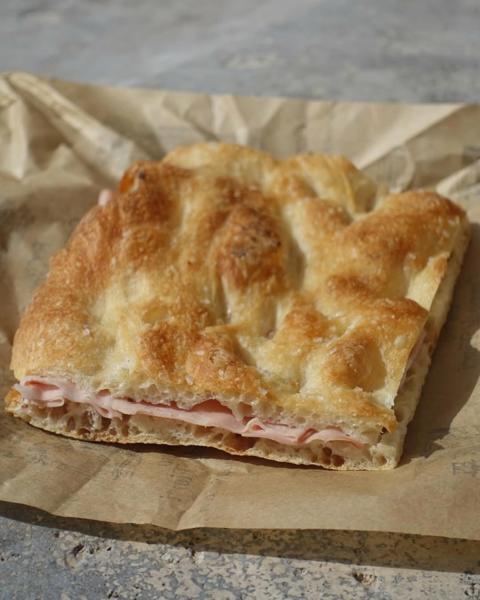
Pizza bianca off the oven-floor sheets, sold amid the morning market on Campo de' Fiori.
The Four Seasons-flagged grande dame on the Vouliagmeni peninsula: 25 minutes from central Athens, three restaurants (Matsuhisa Athens, Michelin-starred Pelagos, classical Greek Mercure), the Astir private beach, and the Athenian Riviera stay to beat.
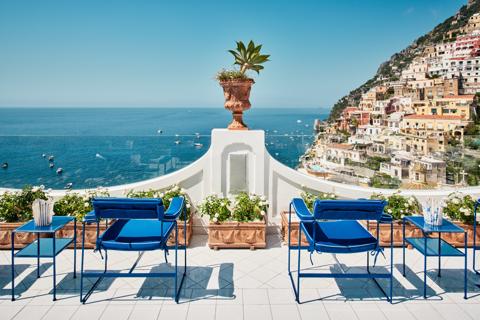
Opens 5 p.m. daily in season. The line forms around 4:45.
A cliff-edge cocktail bar in Fira opened in 1976 by an Italian-Greek classical-music aficionado: an open-air terrace facing the caldera, classical and opera on the speakers, jacketed bartenders, no concessions to the cruise crowd. The Negroni is the order, and the sunset hour fills the terrace. Small plates now, too.
The Franciscan basilica holding two of the great altarpieces in Western art: Titian's Assumption of the Virgin (1518) above the main altar, and his Pesaro Madonna in the left nave. Titian himself is buried inside. So is Canova, in his own pyramid tomb. Cold stone, brown brick, candle-smoke smell, and a Donatello wooden John the Baptist that almost no one looks at. Entry is €5.
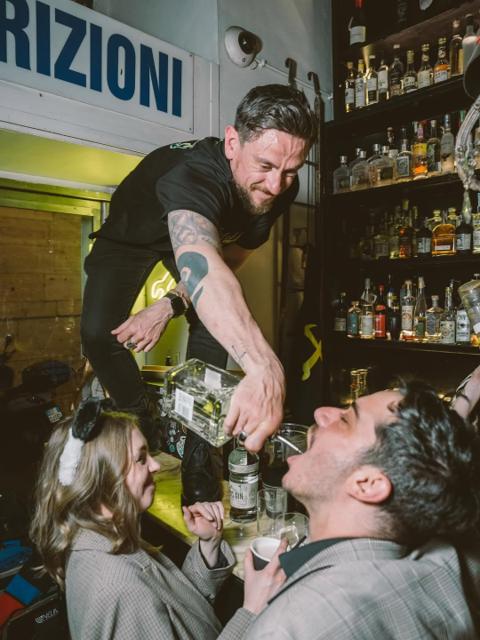
Aperitivo in its purest form. Free snacks, crowded steps.
A no-frills street-food window on Piazza Kalsa: no seating, panelle in a sesame roll.
Two narrow rooms in lower Chora, an open kitchen, and half the menu in from the morning's market. The sea-urchin spaghetti is what people fly here for; ask the sommelier for the natural Mantilaria off the Cycladic-small-producer-heavy wine list. Reserve two weeks out in August.
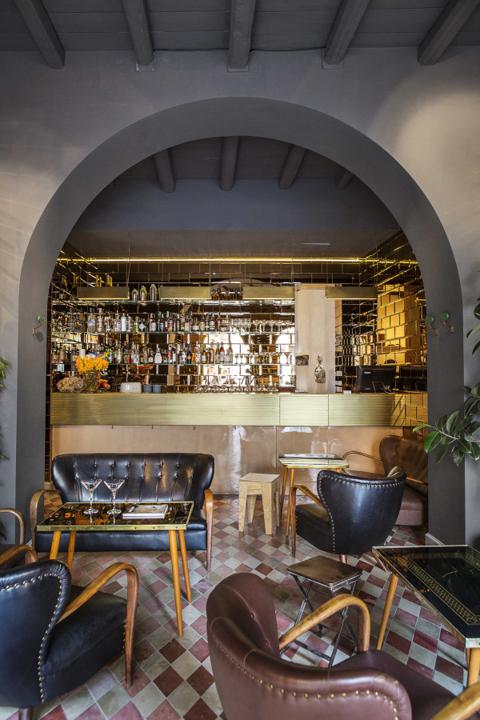
Ten suites, each completely different. A 17th-century townhouse near Piazza Navona, its historic layers preserved alongside contemporary intervention.
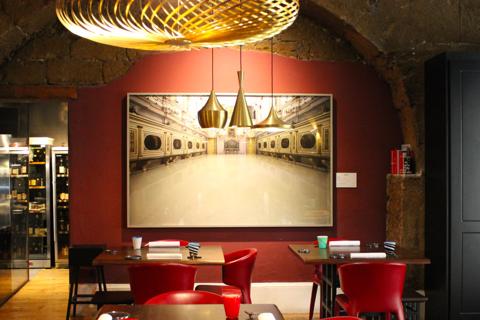
A 16th-century palazzo in Palermo's Vucciria district, long one of central Palermo's ambitious kitchens, in the 2026 MICHELIN Guide under new executive chef Tiziana Francoforte.
A modern Santorinian winery in a former tomato-canning factory on the black sand of Exo Gonia: founded 1994 by Yiannis Paraskevopoulos and Leon Karatsalos (who also run a separate Nemea producer on the mainland). The Thalassitis Submerged Assyrtiko is the conversation piece: bottles aged for five years in cages on the sea floor at 25 m depth, then surfaced. The standard tasting (€20) is excellent; the submerged-wine experience runs around €100 and is worth doing once.
The main Umbria art museum, inside the 13th-century Palazzo dei Priori on Perugia's main pedestrian street. Pinturicchio, Perugino, Gentile da Fabriano, Piero della Francesca's Polittico di Sant'Antonio. Allow two hours. Closed Mondays.
The collection of Venetian painting: Bellini, Giorgione, Titian, Veronese, Tintoretto, Tiepolo, in the deconsecrated complex of Santa Maria della Carità. Veronese's vast Feast in the House of Levi was painted as a Last Supper until the Inquisition objected to the dwarfs and dogs. Two hours is enough. Free the first Sunday of the month.
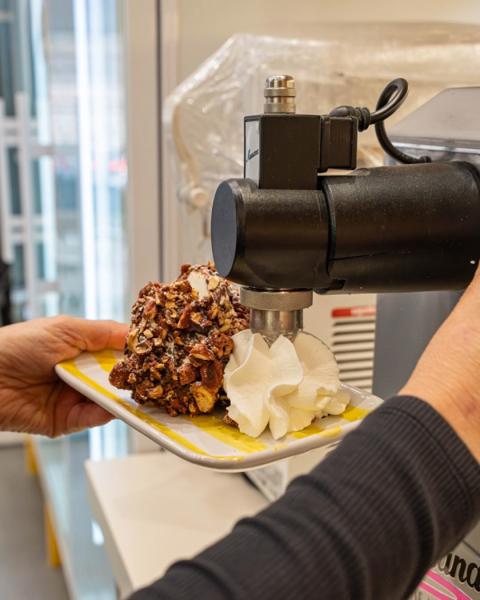
Artisan gelato. The owner picks the lemons himself.
Pistacchio made with real ingredients and no neon.
A neighborhood gelateria near Santa Croce: steel containers, lids on.
A small gelateria on one of Ortigia's side streets, beside the cathedral: quiet rotating list of artisanal flavours and a perfect outdoor terrace.
The Vivoli family opened as a latteria in 1929 and has made gelato since 1930. The rice gelato is the one to order.
East of the Arsenale, Castello is residential: laundry strung between windows, kids in the campi, residents stopping to talk in the middle of the calle. Walk from San Zaccaria east toward Via Garibaldi and the Giardini. There's nothing to 'see,' which is exactly why you go. Eat at El Refolo or Local. End at the Sant'Elena park, which is mostly trees and benches and residents.
In Chora, in the literal shadow of the Monastery walls: the family taverna, the lunch after the monastery morning. Greek classics done well, the meal that fixes Patmos in place for the people who get up there.
An orange grove on a hilltop above Trastevere: St. Peter's, the Trastevere rooftops and the Palatine all in view. Go at 6:30 p.m.
The porcelain house founded by Marquis Carlo Ginori in 1735 outside Florence (part of the Kering group since 2013). The Rondinelli flagship is more cabinet of curiosities than store: rooms arranged like museum installations, plate patterns layered against painted ceilings. Even if a €600 espresso set isn't in the plan, walk in and look.
The long, low island across the Giudecca canal, historically the working-class side of Venice: shipyards, factories, the original Stucky flour mill (now a Hilton). Walk the fondamenta west to east and Dorsoduro and San Marco sit across the water the whole way. Palladio's Il Redentore anchors the middle.
A hat shop a minute from the Rialto bridge, run by the Longo family. Giuliana is usually behind the counter, and travels to Ecuador every year to buy the Cuenca and Montecristi Panamas by hand. The shop is closet-sized, walls floor-to-ceiling with hand-blocked felts, woven straws, gondolier caps, fascinators, theatrical Carnival pieces. Go in for the gondolier hat (the traditional bareteri, woven straw with a double satin band) or a foldable Panama you can pack. Closed Sundays.
A family taverna on Agios Dimitrios Beach, a small cove a 5-minute walk east of Naoussa, with no website and no need for one. A few tables on the water, a hand-written daily list, and no ambitions beyond the cove, which is why it works. The fried calamari is the textbook version (golden, light, not chewy), the sardines come grilled whole, the salad is whatever the garden gave up this week. Walk-ins; cash easier than card.
In the MICHELIN Guide, on the second floor of Palazzo Boyl (Castello district), with a sunset terrace over the Bastioni.
A limestone gorge 500 metres deep, walls of sheer rock the height of skyscrapers on both sides, often called Europe's Grand Canyon and not entirely wrongly. The Genna Silana trailhead is the standard way in: a 2–3 hour scramble down, then back up, the canyon floor opening into pools clear enough to swim in. Bring a packed lunch and sturdy shoes. A full day's hike, and the antidote to a week on the beach.
Auberge's Imerovigli property, with an infinity pool framed on the caldera and Lefteris Lazarou's Varoulko Santorini restaurant on site.
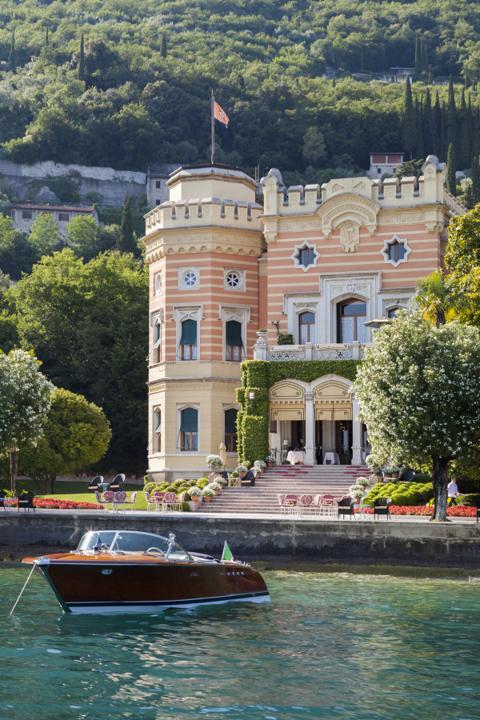
A storybook 1892 villa on the west shore of Lake Garda, surrounded by lemon groves and magnolias. 20 rooms only. Two-Michelin-starred dining under Stefano Baiocco. Mussolini's final residence, which the hotel handles without ceremony.
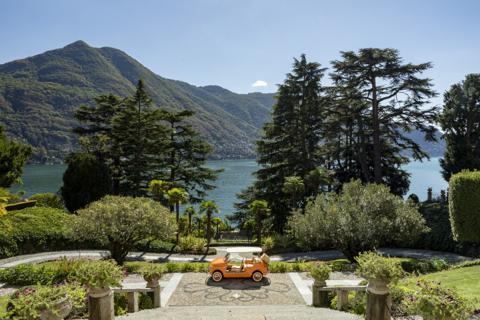
An Art Nouveau villa on Como's west shore, facing Bellagio directly across the water. 77 rooms, three pools, a private lakeside beach,.
A natural limestone sinkhole full of seawater, ringed by archaeological ruins and Messapian inscriptions. You climb down the rocks and jump in. The water is clear, deep, cold, and connected to the sea through underwater channels. Skip the paid pool next door; the free natural one is the whole reason you came. Go early; after 11 a.m. it gets dangerously crowded.
A sea cave where sunlight passing through underwater openings makes the water glow green. Quieter than Capri's Blue Grotto, and less of a circus. Boat access from Conca dei Marini, or descend the elevator from the SS163. Twenty minutes inside.
Three kilometres of karst caves under the Murgia, including the Grotta Bianca, pure white alabaster stalactites lit from below. The 70-minute full tour goes deep; the shorter 50-minute version skips the Grotta Bianca, the best part. It's a steady 15°C year-round, so bring a layer. Booked online same-day is usually fine outside August.
A vast cave system in central Le Marche, a vast karst system. The standard tour is 75 minutes through the Grotta Grande del Vento; the 'Avventura' tours go further, with helmets and ropes, and need booking weeks out. Cold inside, a steady 14°C, so bring a jacket.
The other way to see the Baunei coast: 8 hours, three coves, snorkelling stops, and a boat-only view of Cala Goloritzè you can't get otherwise (boats can't dock, but you can swim from 200 m out). Stops take in Cala Mariolu, Piscine di Venere, Grotta del Fico. Skippered boats start at €60; rent your own Zodiac (no licence needed under 40 hp) from around €200 a day.
The gyros benchmark in Adamas near the Milos ferry port: quick, cheap, generous, the lunch you get sent to without ceremony. Pitas wrapped fast with seasoned meat that doesn't taste of the freezer (falafel gyros for the vegetarian in the group), €5–8 a meal. Walk to it after the boat docks at Adamas; eat before the drive to Sarakiniko.
The 19th-century-elegant village at the centre of the island. Vallindras Distillery
The family taverna in Adamas: garden vegetables, a short menu, and whatever the day's catch turned out to be. Order the skioufihta (Milos hand-rolled pasta) with goat ragù, the dish you have to know to ask for. Half the tables are Milos families; book in August.
The Pirelli Foundation's contemporary art space, in a former locomotive factory in northeast Milan. Anselm Kiefer's seven monumental towers (The Seven Heavenly Palaces) are installed permanently and justify the trip on their own. The rotating exhibitions are consistently good. Free entry. Twenty minutes by tram from Garibaldi.
Where Giuseppe Cipriani invented the Bellini (white peach + Prosecco) in 1948 and where Hemingway parked at the bar for two decades.
An underground cave cellar in Pyrgos Kallistis: founded by Haridimos Hatzidakis in 1996, certified biodynamic, now run by his widow Konstantina and son Nikos after Haridimos's passing in 2017. The flagship Skytali single-vineyard Assyrtiko is the most-mineral expression on the island. Smaller production than Sigalas or Argyros (around 60,000 bottles annually); the tasting (€20–30) is in the cave itself. Book a week ahead in season; the room only holds 12.
The Minoan museum on Xanthoudidou St, home to the bull-leaping fresco, the Prince of the Lilies, the Phaistos Disc, every Minoan original (Knossos itself keeps the replicas). Do it after Knossos in the same morning, when the museum is what makes the site land. Allow two hours.
Small-group horseback rides through Chianti vineyards and wildflower meadows; most stables run one- to two-hour beginner-friendly trips, some longer with wine tastings or lunch. The slower pace gives you the cypress alleys and stone farmhouses at a different scale than the drive. Spring and autumn are the seasons; summer afternoons get too hot.
A sunrise float across vineyards, olive groves, and the cypress-lined hills of the Val d'Orcia: about an hour airborne depending on wind, capped with a prosecco-and-pastry breakfast in a field on landing. Weather-dependent and not cheap. Book directly with a regional operator (Firenze Mongolfiere is the established name) rather than through a hotel concierge; same price, more give on rescheduling.
The Costa Smeralda's signature hotel: Jacques Couëlle's fishing-village-in-the-round, mock-medieval turrets, the Bond hotel from The Spy Who Loved Me, the Saturday-night scene of the season.
The Luxury Collection's Paros property on the water at Naoussa: 40 guestrooms and a private beach club. Chef Yiannis Kioroglou runs the Parostià restaurant.
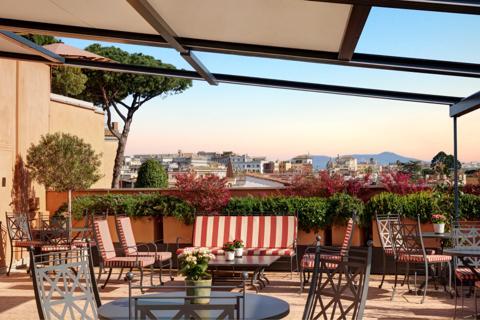
Rocco Forte's second Rome hotel, above the Spanish Steps. Olga Polizzi's interiors run brighter and more patterned than de Russie's, and the Cielo rooftop restaurant has 360-degree views.
A wood-clad hotel just off Cortina's pedestrian main street, run by Egnazia Ospitalità Italiana, the group behind Borgo Egnazia in Puglia.
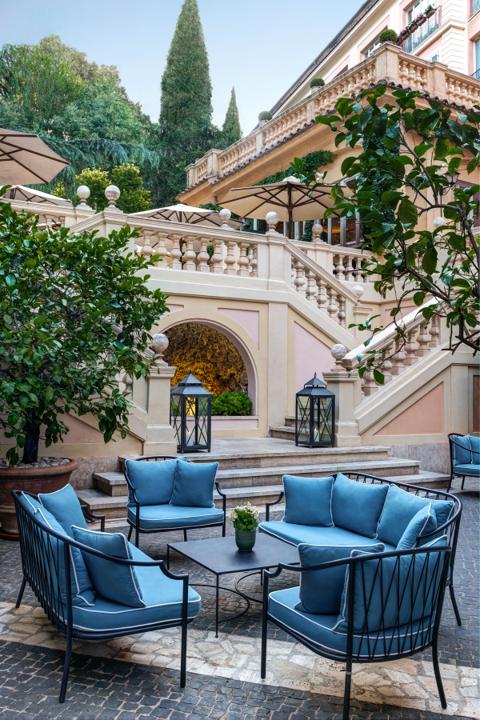
A Rocco Forte hotel on Via del Babuino: 117 rooms and suites, the Irene Forte Spa, and a tiered Secret Garden with three nymphaeums.
The historic grand hotel on Syntagma Square: open since 1874, the address heads of state and Hollywood crews check into. Rooftop with the most-photographed Acropolis view in Athens.
Family-run on the hill above the old town with the Portara view from the breakfast terrace and a four-minute walk down to dinner. The reliable Chora-base pick if walkability matters more than design.
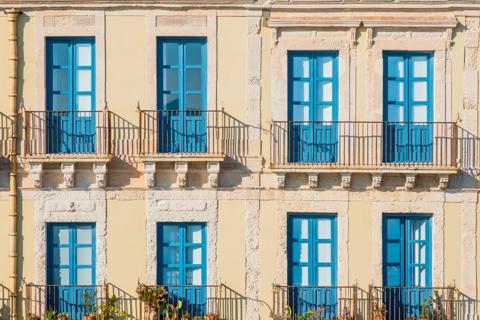
A pair of restored 19th-century fishermen's houses on Ortigia's quieter seafront: 26 unique rooms split across two buildings a few metres apart. Minimalist, whitewashed, antique-tiled.
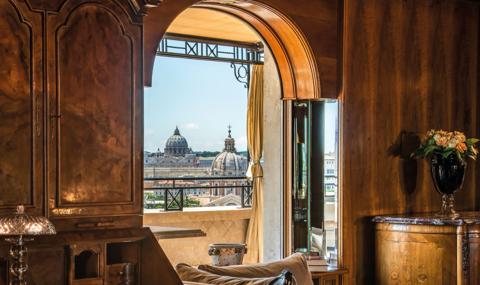
Classic Roman grand hotel at the top of the Spanish Steps. Family-owned since 1893. Imàgo restaurant holds one Michelin star.
Built 1822, fully redesigned by the Oetker Collection in 2023. The new center of gravity for cool on the island.
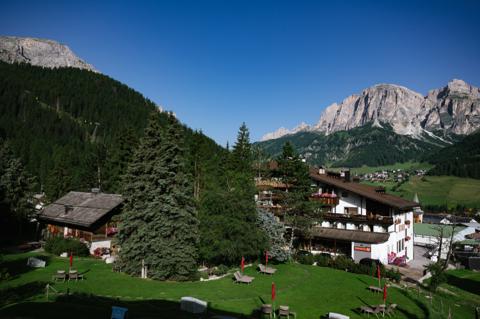
The Costa family's 48-room hotel in the centre of Corvara, family-run since 1956, with one Michelin star at La Stüa de Michil.
A 19th-century palazzo on the waterfront, an Amalfi Grand Tour landmark since the 1800s, three minutes from the ferry.
One of the three original Costa Smeralda hotels, now under LVMH Hotel Management. Five hectares of gardens above a private beach. The "if you know, you know" Costa Smeralda hotel.
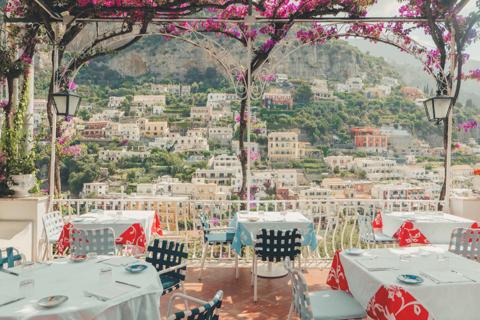
Bruno Aonzo and Liliana Del Bosco opened it in 1955 and three generations of the family are still on the property. 48 rooms mid-cliff in Positano, with no extreme stairs from the road, a heated pool and Il Tridente on site.
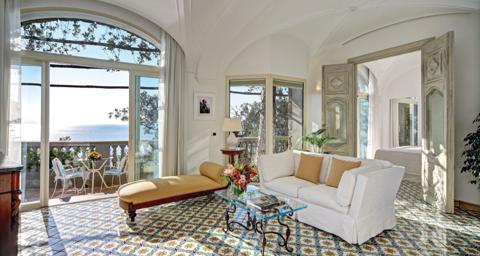
The cliff carved into the rock to put a swimming pool in it. The Gambardella family opened it as a hotel in 1904 and has run it ever since. On the road just outside town.
A whitewashed Aeolian-house hotel on a Salina hillside, owned by chef Martina Caruso (the youngest woman to hold a Michelin star in Italy when she earned it).
Hytra's one-Michelin-star modern Greek kitchen on the rooftop of the Onassis Cultural Centre (Stegi) on Syngrou, starred since 2010 (when Nikos Karathanos held it), now under chef Yiorgos Felemengas. At this price, the kitchen doing the most in the city, and we'll defend the claim. Conceptual tasting menus that read the Greek pantry through a global lens; rooftop in summer, ground floor in winter. Add a play downstairs.
A working pastry kitchen inside the cloister of the Santa Caterina convent, running the historical recipes of cloistered Sicilian nuns since the kitchen reopened in 2017.
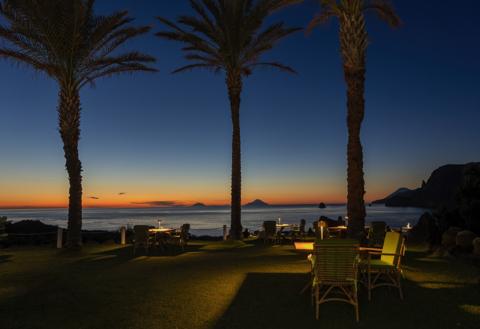
The two-Michelin-starred vegetable-only restaurant inside Therasia Resort on Vulcano: chef Davide Guidara turns the Aeolian garden into a precise kitchen on the islands.
A colonnaded suites-and-garden property in central Yialos, with a pool. It has more shared space than The Old Markets.
The Ikos group's newest Corfu property (opened 2023) on Dassia bay: adults-mostly, all-inclusive ultra-luxury done at the top of the category. Multiple restaurants, Michelin-direction dining included in the rate, a Rolls-Royce-equipped concierge fleet. The Ikos brand is the all-inclusive Greeks are proud of.
Travliata, 15 minutes south of Argostoli below St. George's Castle: chef Angeliki Spyratou took over in 2014, the vine-shaded terrace looks across to Zakynthos, and the Kefalonian wine list (Robola-heavy) is the deepest on the island. Pair it with a Kastro-Café afternoon for a full hilltop day.
The restaurant at Petra Segreta in the granite hills above San Pantaleo, a one-Michelin-starred restaurant since November 2022, retained in the 2026 Guide. Resident chef Alessandro Menditto cooks in collaboration with mentor Enrico Bartolini. Open-air garden tables under the cork oaks.
Small wine bar on Via dei Banchi Vecchi. No frills.
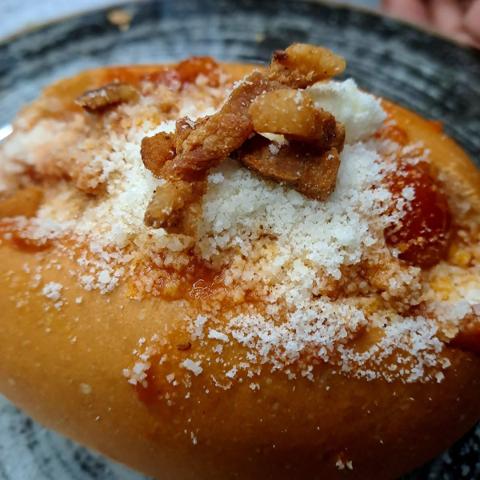
Savory by day, sweet by night, the maritozzo made with real care.
A 19th-century café reborn as a cocktail bar. Travel-inspired drinks, candlelight, no street noise.
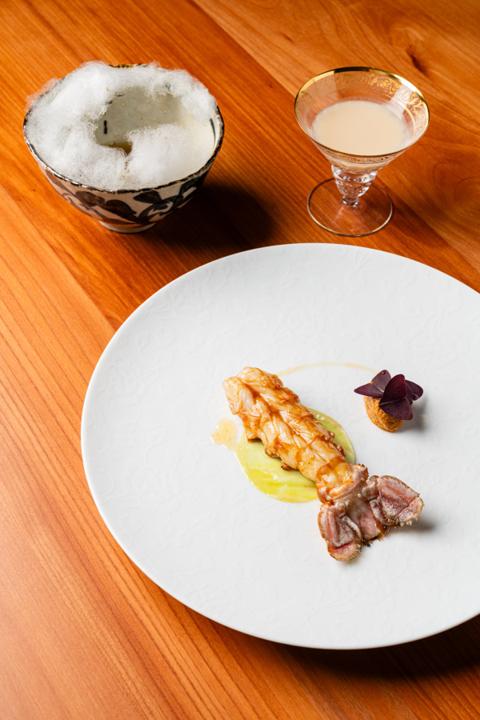
Two Michelin stars, chef Anthony Genovese, cooking that runs across Italy, Japan and beyond. A twenty-year institution; in April 2025 Genovese launched a new tasting menu marking forty years at the stove. Small room, exceptional cooking.
A Dorothée Meilichzon-designed palazzo on the Giudecca canal: pastel stripes, terrazzo, brass, the Experimental Group's signature cool. Experimental Cocktail Club + Ristorante Adriatica on the ground floor, hidden back garden out the rear.
Positano's secret hotel. Carved into the cliff a kilometer from town. Discreet in a way the cliff-top names can't be.
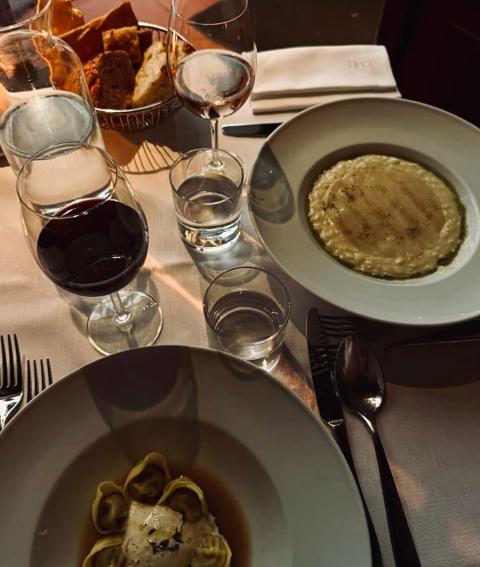
An Oltrarno favorite on Via di Santo Spirito since 2002: modern Tuscan, candlelit, reliably good.
Polignano's gelato landmark at Piazza Garibaldi 22, the Campanella family operation, on Piazza Garibaldi for generations.
One Michelin star plus a Michelin Green Star, in a 700-person village on the slopes of the Sibillini mountains. Chef Enrico Mazzaroni rebuilt the restaurant after the 2016 earthquake.
The shorter, easier, less-trafficked Samaria alternative: 8 km, 3 hours, also ending on the Libyan Sea (at Komitades, near Chora Sfakion). The pick if Samaria’s commitment is too much, or you want the gorge without the crowd.
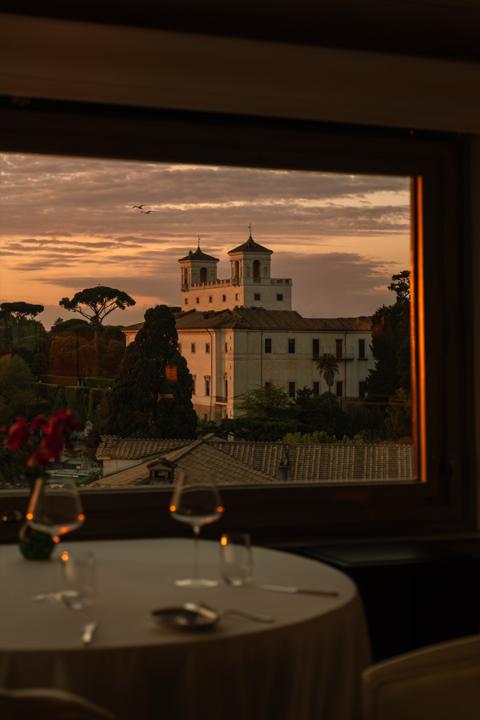
One Michelin star, sixth floor of Hotel Hassler, at the top of the Spanish Steps, with St. Peter's dome on the horizon.
Sofokli Venizelou on the waterfront: the classic ouzeri, tables across the road against the seawall, raki and mezedes for hours. The casual mid-afternoon stop before the museum or after Knossos.
A 23-room 4-star directly on Agia Anna sand: the cleanest, calmest, lowest-fuss beach hotel in the price band. Local art on the walls, a small pool, walk-to-water rooms.
A tiny rocky island joined to the mainland by a sandbar that appears and disappears with the tide, owned by the Englishwoman Florence Trevelyan in the late 19th century, later a small private nature reserve. The pebble beach on either side of the sandbar is Taormina's swim spot. Get there before 10 a.m. (busy by noon) and book a sunbed at Lido Mendolia or Lido la Caravella for €25–40. The cable car from Taormina town runs every 15 minutes, €3 each way.
Porto Cervo's one-Michelin-star fine-dining destination (2026 Guide). Italo Bassi's open-kitchen room above the Promenade du Port: fish first, technique loud, ingredients quiet, prices on the upper end of what Porto Cervo charges.
The Odyssey half-day on Ithaca: walk the horseshoe Vathy harbour, visit the small Archaeological Museum, then drive 30 minutes north to the so-called School of Homer
Hidden, reservation-only, password required.
A sleek white-on-white wellness space inside a small Capri hotel. Bespoke treatments, a private hammam, lymphatic drainage, aroma facials, island-sourced scrubs. The volcanic-stone detox ritual is the local specialty. Open to non-guests on availability; book a few days ahead in summer.
A British-Greek-run taverna at the south end of Megali Ammos beach (a 10-minute walk south of Mykonos Town along the coast path): Joanna runs the room, the menu is Cretan and Cycladic, the tables sit right on the sand. Sunset side; book the railing table.
Opened 2021 on the Aleomandra hillside above Ornos Bay: the most-talked-about Mykonian luxury opening of the post-pandemic generation, designed by K-Studio.
A restored stone hamlet built around a 1763 olive mill in the Amari Valley UNESCO biosphere, 25 minutes south of Rethymno: Historic Hotels of Europe member, opened as a hotel in 2008, and it sits in the mountain landscape rather than on a coast.
Cappadocian-Greek charcuterie and mezedopoleio on the corner of Sokratous and Evripidou, near the Varvakeios central market, opened 2014 by Fanis Theodoropoulos. Cured beef pastirma, soutzouki sausage, smoked cheeses: the Greek-Anatolian side of the table the taverna standards leave out. Eat it as lunch with tsipouro from the carafe, and come back for the dinner version if it lands.
Olympos perches on a cliff at the north tip of Karpathos; the easier access is by morning caïque from Pigadia or Diafani up the east coast, returning by 1990s-jeep over the mountain. The cliff-top village still observes its own dialect, and the women wear traditional dress for festivals. Half-day on a boat; pair with a Pigadia waterfront lunch.
If you've made it up by boat-and-jeep, give Olympos two hours on foot: the windmill stub on the ridge, the church of Panagia, the women's bakery and the lace-and-textile shops. The local festival days (mostly Easter, mid-August) are when the dress comes out; the village has kept its pre-1950s dress and crafts.
A 90-minute boat run from Kastellorizo harbour to the Parastas Blue Cave
At the St. George's Castle grounds near Peratata, central Kefalonia: Spiros and his English wife Nicky's hilltop café, ranked the second-best restaurant on the island on TripAdvisor (out of 528). The homemade cheesecake is the dish; the view across to Argostoli is the rest of the booking.
The Venetian-era walled quarter on the hill behind the harbour: narrow lanes, coats-of-arms over doors that haven't moved since 1207, the small Archaeological Museum (Cycladic figurines), and the Bazeos Tower out near Sangri if you've got time. 90 minutes, end of the afternoon.
Cliff-cut suites in Oia, with three pools (the main one heated) and chef Ettore Botrini's restaurant on site.
The six 16th-century thatch-topped windmills on the ridge above Little Venice, the Mykonos sundown the postcards actually undersell. Get to the row by 7 p.m. in summer; the sun drops behind Delos around 8.30, and the windmills are at their best in the orange minutes just before. Line up a Caprice Bar table straight after, for the wave-on-the-floor hour.
Bohemian-luxury Cycladic: driftwood, white plaster, low-slung sofas, the long Stelida view down to the beach. Condé Nast–listed, and small at under 25 keys.
A wholly different Venice: paddling a sea kayak through the rio behind San Marco at 6:30 a.m., when the city is empty and the only sound is your own paddle. Laguna Kayak runs small-group tours through hidden canals, salt marshes, and lagoon islands most visitors never see, including a loop around the back of Murano and the abandoned plague island of Poveglia. Take the sunrise slot: the light is unreal and the canals are yours. Tide-dependent, so they'll move your booking if the water's wrong.
Arancine specialists with two locations in the Palermo centre: the freshest rice balls in the city, fried to order in front of you.
The original Kenshō property in Ornos: 33 adults-only suites, a spa, and a restaurant using Mykonian ingredients.
No reservations, no electricity, no signage from the road: walk down the dirt path from the small parking cove above Agios Sostis. One person with a wood-fired grill: whole grilled fish, a long salad of bitter greens with lemon, bread, and as much chilled white as the table can finish. The lunch line reaches an hour by 1 p.m. in season; arrive before opening.
The next-door island, a 30-minute ferry from Pollonia. Take the morning boat and head to Bonatsa (golden sand, calm shallow water, the Bonatsa taverna right behind it for a long lunch), then the late-afternoon ferry back. The whole day is the antidote to a hotel day.
The Grande Bretagne's smaller, quieter sister on Syntagma: 102 rooms across a single building, with a penthouse suite that has a private Acropolis-view plunge pool and a rooftop restaurant (Tudor Hall) on the same skyline.
A restored 13th-century Byzantine and Ottoman manor on a 15-acre olive estate above Monemvasia: vaulted stone rooms and a spring-fed pool, and it books out as much for the photography as for the bed. 10 minutes from the Kastro by cab.
Lions Square: the Heraklion bougatsa counter that's been there since the 1920s. Cream-filled phyllo, dusted with sugar and cinnamon, eaten at a marble table on the square while the morning gets going. Line it up with the Heraklion Archaeological Museum opening.
Book a small gozzo (10–12 passengers, half-day) out of Adamas rather than a 50-passenger catamaran. The skipper will take you into the caves; the swim through the rock arches is the reason to take the smaller boat. €70–100 per person depending on the operator and the season; book a week ahead in August.
The reason you came. A full-day catamaran or wooden-caïque run along the south coast to the sea-caves at Kleftiko. Book a small boat (under 12 people) rather than a big-boat tour; the caves are tight, and the day is either intimate or it's a queue. Polco, Excellent Yachting and Thalassitra all run good ones.
The candy-coloured syrmata
Theatrou Square 2 near Omonia, opened 1927, with live rebetiko Tuesday through Saturday from 22:00 (€20 minimum), and the band is the regulars, not a tourist act. Lamb slow-braised in clay, giant beans, whatever's on the daily pot menu. Eat before 10 p.m. for dinner; by 11 the room has turned into a rebetiko-and-tsipouro club.
Benitses, across from the marina, south of Corfu Town: the Bellos family fish taverna since 1997, the textbook for bourdetto (the Corfiot spicy fish stew) and bianco (the white-wine fish version). Quiet, off the tourist circuit, harbour-side. Cab from Old Town, 20 min.
A garden taverna 12 km from Pylos in Methoni, husband-and-wife run, no fixed menu: what's cooking that day comes to your table. The local lunch on a Methoni-castle morning; cash easier than card.
The Minoan palace 5 km south of Heraklion: 4,000 years old, and the place Arthur Evans reconstructed in concrete in the 1920s (a call archaeologists still argue about). Open 08:00, last entry 16:30. Go at 8; by 10 the cruise tours fill the throne room.
The famous rock-formation cove on Naoussa Bay: granite boulders that the meltemi has smoothed into wave shapes over millennia, with shallow pockets and small coves between them. The most photogenic beach on Paros, and maybe the central Cyclades. Get there by 10 a.m. or after 5 p.m.; the boat shuttle from Naoussa harbour runs every 20 minutes in season.
The 4th-century-BC Asclepieion
A two-table window on Plateia Agias Eirinis, family-run by Kostas Jr. since his grandfather opened it in 1946, and the most-argued-over souvlaki in central Athens. Charcoal-grilled pork on the spit, hand-cut pita, tomato, onion, tzatziki, a single dusting of paprika. €2 a stick. Closed weekends, and it sells out daily, often by 3 p.m.
Daskalogianni 51: the Chania souvlaki counter open 11 a.m. to 2 a.m., pork and chicken on the spit, cult status in town and a queue that moves fast. €4 a stick. The late-night close to a Chania night, or the €5 lunch on a 7-course Crete trip.
The three Small Cyclades a fast ferry south of Naxos: pale-sand beaches, one taverna village, no roads to speak of. Naxos has Blue Star and Express Skopelitis connections, so go out on the morning boat, eat in the Koufonisia chora, and take the late ferry back.
5 km out of Chania on the Profitis Ilias hill: the cliffside café with the Venetian-harbour-and-White-Mountains panorama, and the Zoumero chocolate cake people drive up for. Open since 1997. Afternoon or sunset; pair it with a Chania-Old-Town dinner after.
Cycladic cooking inside a repurposed 17th-century Tinian dovecote (peristerionas, ornamental stone agricultural structures with geometric reliefs) in Triantaros, one of the inland marble villages you have to want to reach. Tinian-modern, vegetables and meat both grown or raised within sight of the kitchen, the daily list reflecting what walked in that morning. The drive over is the half-day; loop through Pyrgos and Volax on the way.
A traditional taverna in Finikia, the small village a kilometre east of Oia, inside an 1832 building, opened as a restaurant in 2007 by the family that has owned the building for generations. Cycladic-mainland menu, charcoal-grilled meat, fava, the local Assyrtiko in carafes. The dinner you have to remember to drive to. Five-minute cab from Oia.
A garden restaurant on the Lindos hillside next door to Lindos Mare: Mediterranean cooking, mostly seafood, the lunch-or-early-dinner room when you don't want the village-square scrum at Mavrikos. Seasonal May–October.
A 19th-century stone trading house on the water at Gerolimenas
Six suites inside a 14th-century Knights-of-St-John residence at St John's Gate: restored by Angelos and Anna Trillis, each suite a different historical layer (Crusader, Ottoman, Italian), the Old-Town boutique that the design-press cites first. The flagship Rhodes city stay.
A 19th-century country estate on the Bellavista hill in Franciacorta wine country, with sweeping views across the rolling Franciacorta vineyards and private woodlands. Owned by the Moretti family (Bellavista wines). The base for a Franciacorta trip.
A family-run osteria on the main square of Montone, the tiny medieval hilltop town where Sir Terence Conran kept a house and the Umbria Film Festival has run since 1997. Slow service. Local everything. Why you'd detour.
Open since 1870. Two pizzas on the menu. A line out the door at any hour.
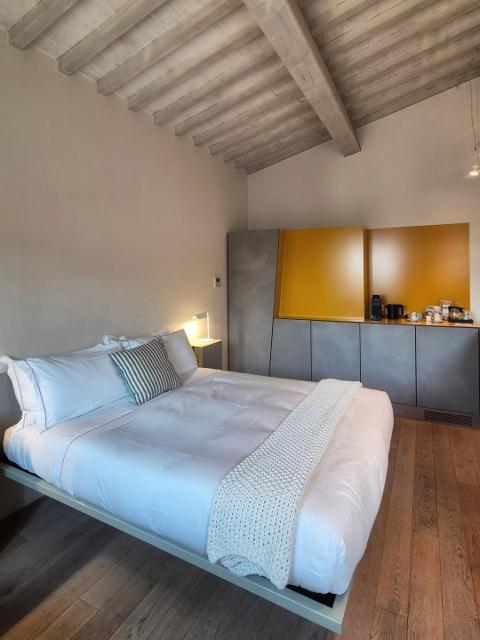
A 15th-century convent in the old centre of UNESCO-listed Pienza, restored into a cool-headed 12-room hotel by a former NYC music executive.
A historic building converted into 33 rooms inside the walls of Spello, family-run since the 1980s, with a terrace pool and garden views over the Umbrian valley.
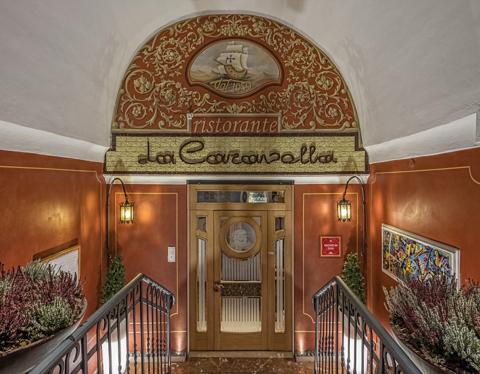
Open since 1959. Listed with one Michelin star in the Michelin Guide Italy 2026.
Polignano's mojito specialist on Via Annunziata in the old town: fifteen-odd variations, fresh juice, around €7–8 a glass.
A 17th-century private home and masseria footprint set into Lecce's ancient city walls, radically reworked into stark minimalist Lecce-stone structures: star-vaulted historic interiors frame sculpture gardens and a rare old-town pool. 2 min from Piazza Sant'Oronzo, 4 min to the Duomo via Porta Napoli.
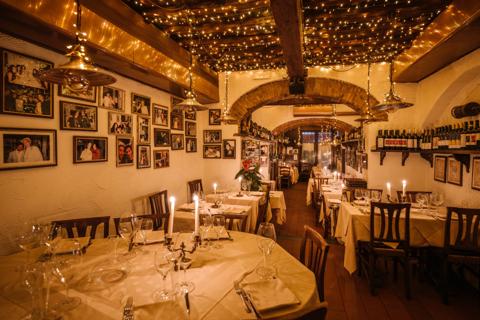
A romantic, fairy-lit dining room on Borgo Pinti in the Santa Croce / Sant'Ambrogio quarter, a 10–15 minute walk east of the Duomo, run by the sons of the late Prince Dimitri d'Asburgo-Lorena.
Paleokastritsa: the cliffside-cove bar reached by ~140 steps down from the road into a cove you can't see from above. Day swim and cliff-jumping, sunset cocktails at night, drinks and light snacks only. Not a meal, but the best-sited drink in Corfu.
More than 60 islands and islets in all, seven of them main (La Maddalena, Caprera, Budelli, Santo Stefano, Santa Maria, Spargi, Razzoli), protected as a national park. Water that looks unreal in photos and unreal in person. The ferry from Palau to La Maddalena takes 20 minutes; from there, charter a small boat for the inner-archipelago route (Spargi, Budelli, Razzoli) or join a full-day cruise from Cervo or Santa Teresa. Budelli's pink beach is fully off-limits: walking on the sand and swimming inside the marked buoys are both banned, and the fine is €900. View it from the boat, outside the line. The water between Spargi and Razzoli is the stretch to see.
Pino Cuttaia's two-Michelin-star kitchen in the small south-coast town of Licata, "la cucina della memoria", the cuisine of memory. The deepest Sicilian fine-dining experience on the island.
Twelve sea-facing rooms above Marina Grande, full-on nautical-design boutique with red, white, and navy interiors. The young-and-stylish Sorrento alternative to the grand-dame hotels.
Half flower shop, half café, full restaurant after dark, a concept space that somehow gets all three right.
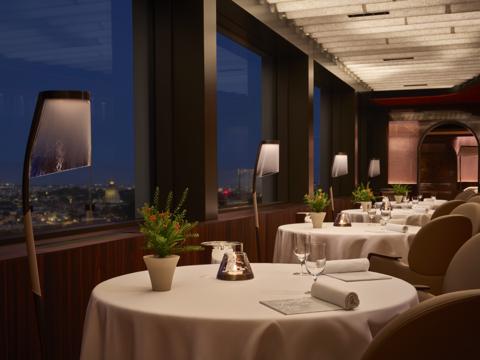
Three Michelin stars in the 2026 guide. Heinz Beck. Panoramic views above the city.
Beneath Catania's Piazza del Duomo, a daily fish market centuries old: swordfish split open on marble counters, tuna heads on ice, octopus still moving, fishmongers shouting in dialect. Go at 7:30 a.m. when the boats have just unloaded, walk the perimeter, watch them work, take coffee at Caffè del Duomo on the corner. Then lunch at Antica Marina, which sources from this market an hour earlier.
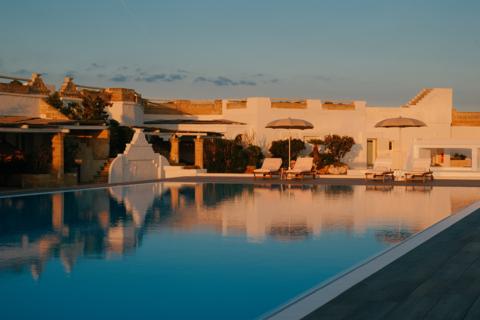
A 16th-century Bourbon fish reserve converted into a thirteen-room single-story hotel, set directly on the Adriatic. Thalassic pools, white-on-white interiors, a fine-dining seafood restaurant over the water.
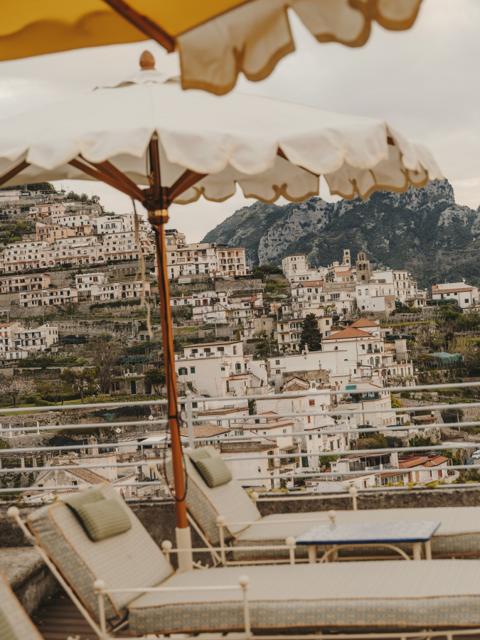
The pool club at the Belmond Caruso, high above the sea in Ravello, open to non-guests by reservation through the concierge. Cabanas can be booked by the day. Pasta and pizza classes run daily at €88 a head and must be booked in advance.
If Barumini is too far south, La Prisgiona is a well-excavated Nuragic complex, a 20-minute drive from the Costa Smeralda. Excavated village, central tower, and the giants' tomb at Coddu Vecchju nearby, a megalithic burial site for the same people who built the towers. The Arzachena Archeological Park combo ticket covers both. Worth a morning on a beach week.
Warm melted chocolate drizzled inside the cone on request.
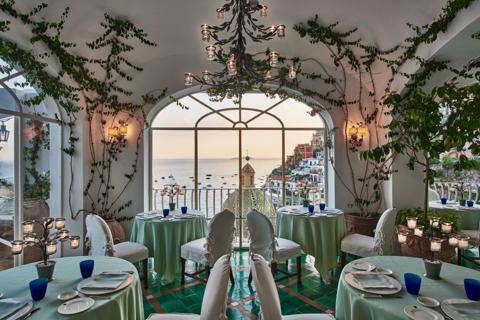
400 candles lit at dusk. Live music drifting through tiled walls. Le Sirenuse's celebrated candlelit dining room, recommended in the Michelin Guide.
A small, low-intervention Verdicchio producer in the hills above Jesi. Riccardo Baldi makes mineral-driven Verdicchio in small quantities. Tastings often run with the winemaker himself.
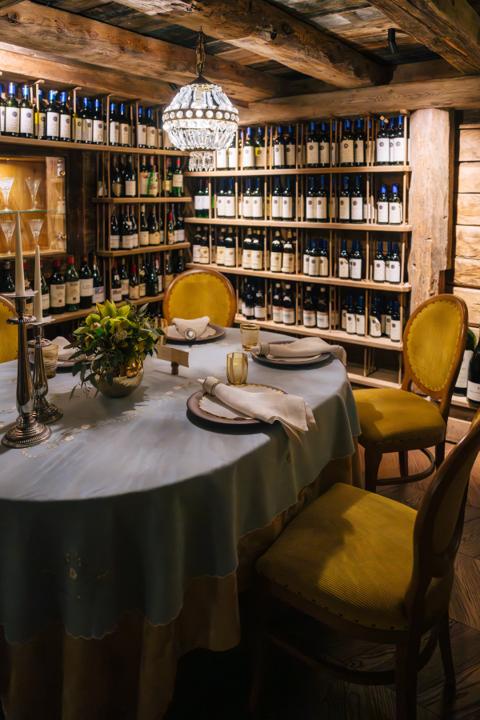
Inside Hotel La Perla in Corvara: one Michelin star, run by chef Simone Cantafio, with the wood-panelled dining room in the valley.
A harbour-side seafood restaurant in Tricase Porto, run by the Coppola family, fishmongers there since 1985.
A rooftop terrace at the Lungarno Collection's Hotel Continentale with a direct view of the Ponte Vecchio from above.
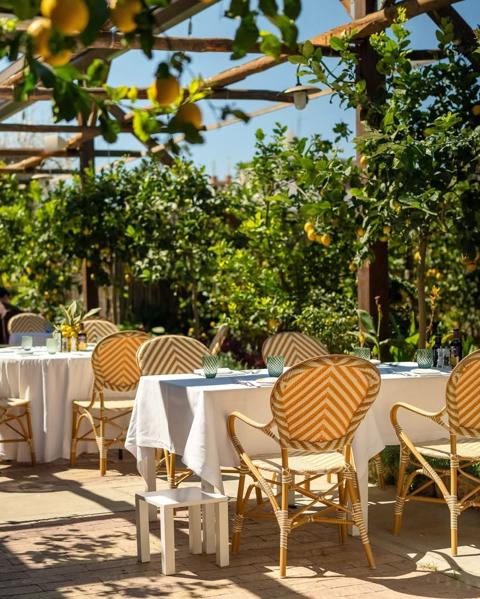
A garden of citrus trees, and a pasticceria since 1950.
Lago di Braies is the emerald lake with wooden rowboats below Croda del Becco. The easy 3.5-kilometre loop takes about 90 minutes. Go early or late for fewer people. From 1 July to 15 September 2026, driving in between 9 a.m. and 4 p.m. requires a parking reservation. Check prags.bz before you go.
A turquoise glacial lake at 1,926 metres at the foot of the Sorapis massif, Gatorade-Glacier-Freeze blue, the colour everyone Photoshops except here it really looks like that. Trail 215 from Passo Tre Croci (a 15-minute drive from Cortina): 13 km round trip, 380 m of gain, four hours total, with a couple of exposed sections protected by cables. Not for vertigo. Worth every step. Pack lunch; Rifugio Vandelli at the lake is small and busy.
A small hotel three streets back from the Agios Prokopios sand, with a pool and courtyard breakfast.
The cove at the foot of Polignano's old town, framed by the Roman bridge above and the white cliff houses on either side. The water is cold and the pebbles hurt your feet. You will understand the queue within thirty seconds. Arrive before 9 a.m. or after 6 p.m. Mid-day is unbearable.
A high plateau at 850 m in eastern Crete: windmills (mostly idle now), small mountain villages, and the Dikteon Cave
The dining room at Andronis Boutique Hotel in Oia, opened 1971, the oldest fine-dining restaurant on the island, now consulted by three-Michelin-star chef Emmanuel Renaut (Flocons de Sel in the French Alps). Cliff-edge terrace facing west into the caldera; the tasting menu pairs Renaut's alpine precision with Santorinian ingredients. Book three weeks ahead and take the sunset slot.
Built into the rock wall that holds Atrani up.
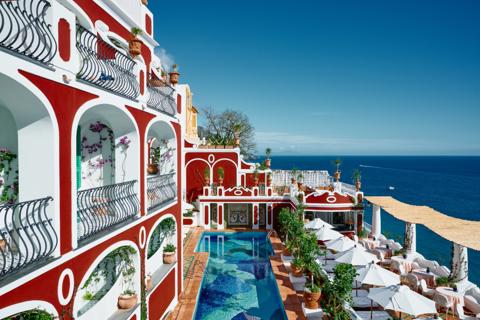
The Sersale family converted their summer home into a hotel in 1951 and still run it. Hand-painted tiles, lemon trees through the public rooms, two restaurants including La Sponda, three bars and a spa. Four minutes down to Spiaggia Grande.
A tiny wine bar in a quiet square behind the Ponte Vecchio: forty wines by the glass, almost all from producers you can't get at home.
Lecce is the Florence of the south, except the stone is honey-yellow Lecce limestone and the style is full-blown Baroque rather than Renaissance. Start at Piazza Sant'Oronzo with the Roman amphitheatre, walk to the Basilica di Santa Croce (the façade that gives everyone a neck ache), then loop through Piazza del Duomo at dusk when the stone glows orange. Two hours, no entrance fees, all the joy.
The medieval marble village in the centre of the island: three connected squares, whitewashed houses on terraced slopes, and the Byzantine Church of the Holy Trinity (Agia Triada) with a marble bell-tower carved from local stone. The highest village on Paros. A 30-minute drive from Naoussa or Parikia; eat lunch at Lefkiana on the main square.
A 1,000-year-old marble-paved path that drops 3.5 km through olive groves and an old aqueduct from Lefkes village down to Prodromos. Built by Byzantine masons; the paving stones are local Parian marble (the same quarry as the Venus de Milo). One hour each way; walk early (8–10 a.m.) before the heat. Cab back from Prodromos, or have a driver meet you at the bottom.
Kardamyli seafront: Lela was Patrick Leigh Fermor's cook and housekeeper for decades, and her son Giorgos now runs the seafront taverna she opened. Refreshed in 2021 toward a "contemporary traditional" menu.
A Leading Hotels of the World adults-only property at Tragaki on Zakynthos's east coast: sea-view suites with private pools. Pair it with a Prosilio dinner one night.
Limoncello on the coast is made from sfusato amalfitano lemons. Done well it's a digestif; done badly it's syrup. Skip the gift shops and book a producer tour instead: Villa Massa in Sorrento walks you through the lemon groves and the production, then a tasting on a terrace over the Gulf of Naples.
Naoussa's pink-doored cocktail-bar-turned-nightclub on the port: DJ programme from 11 p.m., open until daylight, mixed crowd. More club than cocktail bar, and a Naoussa late-night institution since the early 2000s. Where a Mario dinner goes when it refuses to end.
The 4th-century-BC acropolis on the white cliff above Lindos: the Temple of Athena Lindia, and the long view down to St Paul's Bay. €12, and you climb up on foot. Note: donkey rides are regulated as of 2024
Operating since 1982: three levels in a Lindos house with twin rooftops facing the Acropolis directly. The cocktail-and-sunset bar of Lindos, by some distance. Book a rooftop table for 7:30 in summer; the queue is unforgiving after.
A 142-room luxury hotel on the cliff above Vlicha Bay, two kilometres from Lindos village: the cliff-down funicular to a private beach is the design signature. Larger-scale than the Old-Town boutiques, with a big pool and several dining spaces.
The wood-fired stone-oven taverna on the Kinsterna Hotel estate above Monemvasia: named for the on-site traditional wine press (linos), the ingredients from the estate's own orchards and vineyards, lamb and vegetables slow-cooked under quince trees and vines. Live music Friday and Sunday. Seasonal · 24 April – end October only.
Kalamida 9 in Psyrri: a 19th-century candle shop the owners kept partly intact (the candles still sell from the back wall), reopened as a modern-Greek dining room. Michelin Plate in 2024 and 2025, an all-Greek wine list leaning hard into low-intervention bottles, a small garden under a lemon tree for summer. Smaller and quieter than the Michelin-starred rooms, and the booking you don't have to make six weeks out.
A café-bookshop in the shadow of the Acropolis Museum: trained baristas, a small Greek-and-English book selection, a few outdoor tables under bitter-orange trees. The flat white is the giveaway that this isn't a tourist café. Two-hour table limit when busy, so come at 8 a.m. or 4 p.m.
A wooden pier over the sea, and a farm up the hill that grows the food.
A one-Michelin-star modern Venetian in Castello: chef Salvatore Sodano cooking lagoon ingredients with technique and restraint. The "fancy dinner" pick.
An ambitious cocktail bar and restaurant inside a Renaissance palazzo near the Bargello: vaulted ceilings, glass atrium, theatrical drinks.
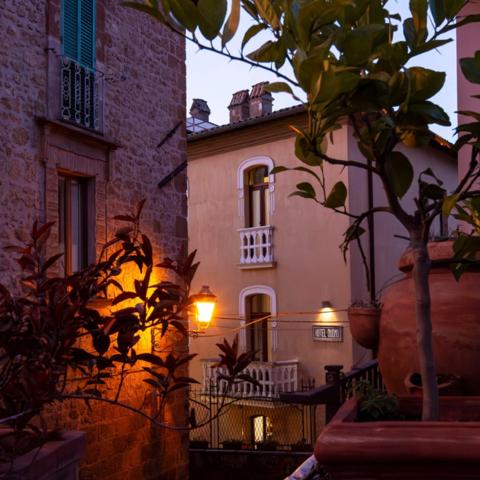
On Perugia's main pedestrian street, in an 18th-century building that has been recently refreshed. Goethe stayed here.
A Michelin-starred kitchen carved into the limestone bedrock of Ragusa Ibla: vaulted stone ceilings, candlelight, the cellar tucked into the rock behind the dining room.
The three white towns of the Itria Valley, none more than 25 minutes apart. Locorotondo is the one with the circular streets and geranium balconies, and the one the coaches stop at. Cisternino is the easygoing one, with the butcher-shop street food. Martina Franca has the Baroque palazzi and the best aperitivo scene of the three. Do them as a half-day, in that order, by car.
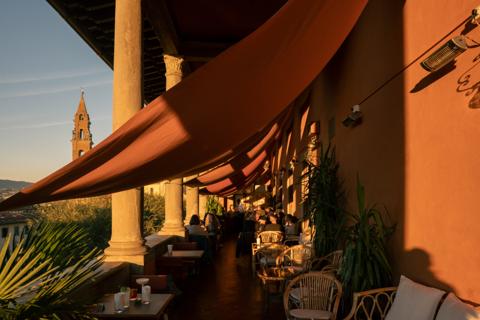
A small rooftop bar above Palazzo Guadagni in Piazza Santo Spirito, looking across the river to the Duomo at sunset.
Hand-embroidered linens, monogrammed tablecloths and nightwear, since 1967. The boutique on Via delle Belle Donne is small and quiet; the linens are monogrammed to order, and purchases are wrapped in tissue with wax-sealed ribbon. The hand-stitched monogrammed tablecloths ship internationally.
The Renaissance city walls run 4.2 kilometres of intact rampart with trees planted on top; you rent a bike at the gate and cycle the full circuit in forty minutes. Below sit medieval towers, the outline of a Roman amphitheatre, churches with Romanesque facades. Lunch at Buca di Sant'Antonio, back by 5.
The restaurant at Phi Beach, the open-air club built into an 1800s military fortress on the Baja Sardinia rocks. DJ Mag's #1 club in Italy. Dinner runs into the night, the rocks light up, and the sunset is the actual reason you're there.
Two minutes from the Duomo, behind it on Via Santa Radegonda. Run by the same family since 1949. The panzerotto is a southern import that became Milan street food. Made to order, served piping hot. Expect a line; it moves fast.
Next door to MMM Corones, the sixth and last of Reinhold Messner's mountain museums: 1,800 square metres of mountain-photography history inside the old cable-car station on top of Plan de Corones. Built for non-mountain people too. AlpiNN restaurant (the casual Niederkofler project, see Where We Eat) shares the building, so combine them. Cable car from Bruneck, Riscone, or San Vigilio; last car down at 5 p.m.
The highest point in central Athens (277 m), a pine-covered limestone hill that rises straight out of Kolonaki. Take the funicular from Aristippou Street (€13 return, €10 one-way), or walk the hairpin path from the base in 25 minutes. The summit holds a small whitewashed chapel (Agios Georgios), the open-air theatre (summer concerts), and a 360° view of the Acropolis below you and the Saronic Gulf beyond. Time it for sunset, and stay for the city lights.
The Heraklion-area winery to know: a fourth-generation family, the ones who saved the rare native Plyto and Dafni grapes (both nearly extinct twenty years ago). Cellar-door tastings by appointment. Pair it with lunch in Archanes village.
Borgo San Frediano's experimental cocktail bar: playful, underground, packed by 11 p.m.
Moreno Cedroni's two-Michelin-starred Marzocca di Senigallia restaurant, open since 1984, and the kitchen that introduced Italians to crudo of Adriatic fish.
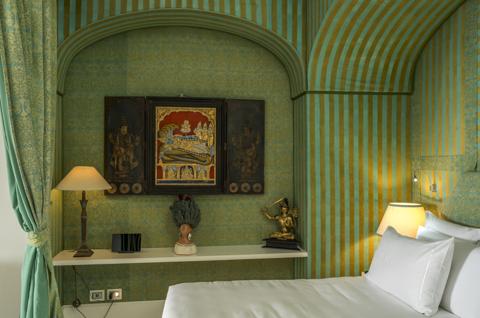
The restaurant at Villa TreVille, Zeffirelli's old house, now a four-villa hotel.
Navigli's cocktail bar: vintage furniture, a long drinks menu, and bartenders who'll ask what you want and improve on it.
An 18th-century canal house on Naviglio Grande, with an internal courtyard and Bugandè restaurant downstairs.
A small owner-cooked meze room in medieval Ano Syros (the island's prettiest quarter, and we'll say it): small plates of gruyere with their own tomato chutney, fresh cheese pies, Greek pasta with whatever herb is in the back garden. The jam shop next door is the same family. Sit outside on the stepped lane; coming down from a sundown walk in Ano Syros, this is dinner.
Paolo Donei's one-Michelin-star restaurant. Inside a 19th-century malga (alpine dairy) at 1,400 metres above Moena, with dining-room views over Val di Fassa.
Orfeos Street in the Rhodes Old Town: operating since 1967, the family-run Greek-Mediterranean room the regulars send you to. Slow-cooked lamb, fresh fish, plates that arrive without ceremony and pay you back for ordering them.
The Mandarin Oriental opened on the south (Navarino Bay) side of the Costa Navarino estate: separate from the Romanos and Westin side, with its own spa.
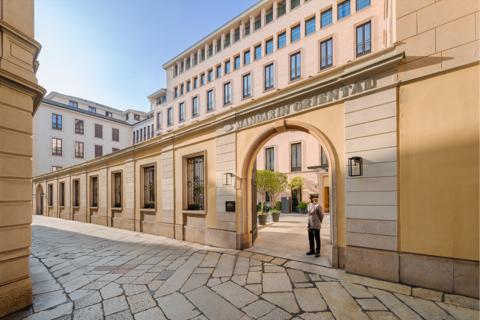
Four 18th-century buildings, knit together into one hotel just off La Scala. Two-Michelin-starred Seta runs the dining room.
The smaller fishing-village twin to Klima. Eat at Medusa on the rocks, watch the boats come in. Nearby on the same north coast is Papafragas, a cliff-walled cove and sea caves that read like a natural swimming pool from above; the path down is steep and sometimes closed, so check before you commit, or just take it in from the top.
A small, dimly lit cocktail bar near Santa Maria Novella with a strict-Italian-spirits-only policy.
Now relocated to a former farmhouse between Calabernardo and Lido di Noto: modern Sicilian dining in a candlelit stone courtyard. Sicily's loveliest dinner setting.
The Yialos waterfront fish-meeting-point: long-running, the room the celebrity-yacht crowd cycles through. Order whatever's on the ice that day; share. Reservations help in season.
An organic winery up in the Chania hills, worth the drive for a tasting of the native Vidiano and the Syrah-Roussanne blends. 45 minutes from Chania; book ahead, and pair it with lunch in nearby Vamos.
The ancient quarries that cut the white Parian marble for the Venus de Milo, the Hermes of Praxiteles and the Nike of Samothrace, the stone ancient sculptors prized above almost any other. The site sits 7 km east of Parikia, and you can walk into the abandoned tunnels (bring a torch; they're unlit and unsupervised). Free, atmospheric, almost nobody else there.
A pastry shop founded in 1824, since acquired by Prada and run with the restraint that money buys. The original Via Santa Maria alla Porta location is the one. Two other shops in the Galleria and on Monte Napoleone.
Seven rooms inside a restored Ottoman mansion in the Rhodes Old Town: restored over twenty years by Giuseppe Sala and Efi Dede, each room kitted out as its own painted-and-textiled set piece. Open April–October. The literary-traveller's address; the Marco Polo Cafe garden is the unsold breakfast.
A small fishing beach tucked between two cliffs. Wooden boats pulled up on the pebbles, two trattorias above, and a clear swim spot on this stretch. Easier to reach than Furore's beach and almost as photogenic.
The Naoussa harbour fish house, directly on the quay: the boats moor metres from your table, and the catch came in at 6 a.m. that morning. Pick your fish from the case and have it deboned at the table. A second Mario opened in Parikia in 2023; the original on the harbour is the one. Reserve the corner outdoor table, the one facing the working harbour, over the air-conditioned interior. Cash and card both fine.
A 165-metre man-made waterfall, Roman in origin, which Regione Umbria calls one of the highest in Europe; channelled by the consul Manius Curius Dentatus in 271 BC. The water is released on a published schedule (mornings and afternoons in season), so check the website. Walking trails run from short to multi-hour.
A traditional inland village in the east of the island: restored stone windmills, a small museum, 17th- and 18th-century mansions, and almost no tourists. Pair with lunch at Ouzeri Halaris in Piso Livadi (10 minutes east) on the way back to Naoussa.
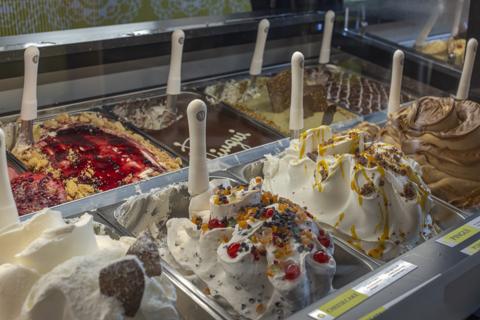
A Salento pasticceria since 1950, with shops across the region and one on Piazza Sant'Oronzo.
A working tuna-fishing village on the southeast tip of the island, its 17th-century tonnara (tuna factory) turned into a small piazza of seafood restaurants. The Tonnara di Marzamemi is the working-museum bit; lunch is at Taverna La Cialoma on the main piazza (book ahead in season). After, drive the back roads through the Pachino tomato fields. Half-day from Noto.
The Ladin farmhouse outside Pedraces with the six-course fixed menu: no choice, no substitutions, just the food of these valleys done the way grandmothers did it.
A 16th-century olive-oil masseria that still makes its own DOP oil. Dinner is an eight-course tasting served in the courtyard.
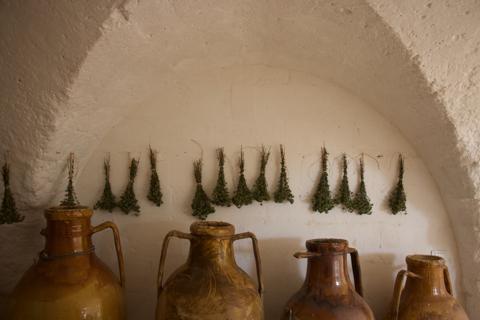
A working family masseria deep in Primitivo country, a small, real, multi-generational version of the genre. The kitchen is its own reason to come.
The grand five-star masseria: a former Knights of Malta watchtower, thalassotherapy spa, private beach, and access to the San Domenico Golf course also used by Borgo Egnazia. Old-Italian luxury.
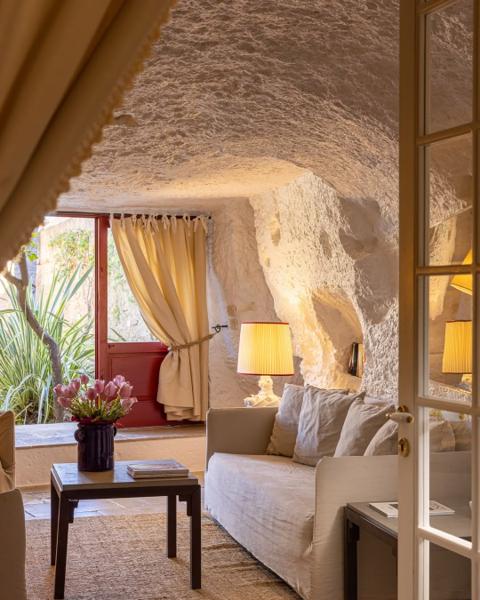
Sixteenth-century fortified farmhouse, Aveda spa, private beach club, an olive grove with its own micro-village of suites.
Technically not Puglia (it's Basilicata), but an hour from the Itria Valley, and it is unlike the rest of the region. The Sassi, cave dwellings cut into a limestone canyon and lived in until the 1950s and reoccupied from the 1980s, are now a UNESCO site and, in part, luxury hotels. Walk both Sasso Caveoso and Sasso Barisano, lunch at L'Abbondanza Lucana. Full day.
Athens's natural-wine standard, owner-sommelier Michalis Papatsibas, across two locations (Falirou 68 in Koukaki, Plateia Mesologgiou 3 in Pangrati). All-Greek, low-intervention, half the bottles you've never heard of. Small plates to pair: cured anchovies, ladotyri, tarama with bread. Walk in early; standing room only by 10.
Inside the Kastro, on the main alley: operating since 1950, a trellised garden with the long sea view, the room that anchors every Monemvasia trip. Order the saitia (local cheese-and-greens pie), the lachanodolmades, a bottle of Malvasia (the wine native to this rock). Book ahead.
Nobu Matsuhisa's outpost on the Athenian Riviera, inside the Four Seasons Astir Palace in Vouliagmeni, and the dinner that justifies the 25-minute cab from central Athens. The Nobu greatest hits (black cod miso, yellowtail jalapeño, rock shrimp tempura) on a terrace over the Aegean. Swim at the hotel's beach in the afternoon, then reserve sunset.
Nobu Matsuhisa's Mykonos outpost at the Belvedere Hotel, open since 2003, the longest-held fine-dining address on the island (the 20-year anniversary was 2023). The Nobu greatest hits (black cod miso, yellowtail jalapeño, rock shrimp tempura) on a candlelit garden terrace overlooking Chora. Reserve a month ahead in August and ask for the sunset slot.
On the main square in Lindos village, under the acropolis: founded 1933, third-generation Mavrikos brothers, the institution every Greek-food writer cites first when Rhodes comes up. Modern Greek with Aegean detail; book a week ahead in summer. The dinner that justifies basing in Lindos for a night.
"The Black Sheep," a modern Pangrati mezedopoleio at 31 Arrianou St that turned into one of the city's most-booked tables. Small plates of regional Greek cooking with a contemporary edge: stuffed peppers, smoked sardines, slow-cooked rooster with hand-cut hilopites pasta. Book ahead and budget two hours; they enforce a hard seating limit. The proof-of-concept for the Pangrati dinner.
Cross the wooden footbridge from Burano and you're on Mazzorbo. The Bisol family rescued the Dorona grape here in 2002 (the native Venetian variety, nearly gone after the 1966 flood) and now make a few thousand bottles a year in this walled vineyard. The Michelin-starred restaurant takes the lunch trade, the casual osteria takes the rest. The vineyard tour is the alternative to a tasting menu.
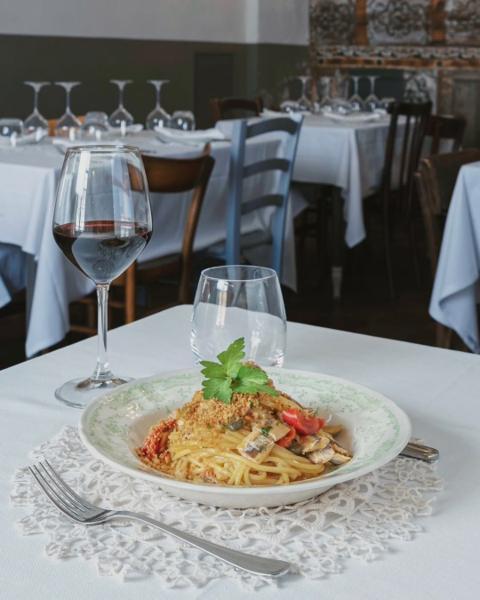
A modern-traditional trattoria on Piazza Turi Ferro, near the opera. Stanley Tucci-approved for Searching for Italy.
The fishing-village lunch in Mandrakia. Tables on the rocks over the harbour. Order the grilled octopus and ask what came in that morning. Lunch only in shoulder season.
The two Kefalonia caves in one easy morning. Melissani
The covered food hall on the top floor of San Lorenzo's market: fresh pasta to order, decent pizza, real wine.
Inside the Stazione Centrale building. Two floors of food counters: pasta, pizza, fish, gelato, coffee. Useful on the way in or out.
Perugia's daily covered market: small, central, walkable in half an hour. Cheese, salumi, fresh pasta, pecorino aged in walnut leaves you don't get at home. Mornings only, closed Sundays. Buy a picnic and eat it on the steps of the Duomo.
The working daytime market on Via Carini, north of Quattro Canti: produce, fish, butchery, and classic Palermo street-food stalls (pannulino panini, frittola, arancine) trading through the afternoon. Closes by 7–8 p.m.
Bari's fishermen sell raw seafood straight off the boats at the molo, eaten standing with lemon and Coca-Cola: red prawns, sea urchins, octopus, allievi (baby cuttlefish), and the local specialty, raw mussels. It's about as Pugliese as food gets. It's also raw shellfish from a port, so know what you're doing or don't. Cash only. Done by 11 a.m.
Two kilometres of stalls in the riverside park, everything from Tuscan cheese and salumi to leather goods, clothes, and plants. Take the T1 tram to Cascine and arrive by 9, before the produce runs low. The cheese counter at the far end is where you buy for the afternoon.
Mornings only, Monday to Saturday.
A food market on the east side of the center, near Piazza Ghiberti. Inside: cheese, salumi, butchers, fresh pasta vendors, the trattoria stalls. Outside: produce stalls and a small clothes market. Get a porchetta panino and eat it on a bench in the piazza. Go before 10 a.m.
The covered food market in Testaccio: cheese vendors, supplì stalls, fresh pasta, produce. Go between 8 and 11 a.m. on a weekday, before the stalls start packing up. Walk to Flavio al Velavevodetto afterwards.
The PDO Messinian olive-oil hills around Kalamata
A Cretan-Santorinian taverna in Exo Gonia next to Agios Charalampos church, in a 19th-century building with a stone terrace facing east toward Anafi. The wine list goes deep into local Assyrtiko and the rarer Mavrotragano. Tables go a month ahead in season.
"The Drunken Town." A Plaka-village rooftop that looks down to Klima and the sea. The menu is straightforward; book a sunset table.
The two Venetian sea-castles on Messinia’s south coast: Methoni’s Bourtzi
A 16th-century Venetian farmhouse three kilometres from Chania centre: three villa-houses with private pools, citrus and olive groves around, the Kindelis family still farming. The countryside alternative to the Old Town for couples who want privacy and a car.
Chora paralia (the waterfront). Fish-focused mezze, the catch lined up on ice at the door, long tables that turn at 9 and again at 11. Order half the menu in small plates and share.
Areopoli, the Mani capital: the small mezedopoleio specialising in the Mani's orange-peel-infused pork sausage, the regional pride. Order them with a tsipouro and the boiled greens; lunch becomes afternoon.
The takeaway window on Piazza Arringo making olive ascolane fried to order. A family in commerce since the mid-19th century, frying to order, paper cones over the counter.
200+ windy days a year on this headland. Flisvos Kite Centre and Naxos Kitelife are the two schools; beginner lessons run €80–120, and the wind builds from 11 a.m. to a 2–6 p.m. peak. It's the reason a certain crowd flies to Naxos instead of Mykonos.
Mikro Karavi sits in a garden off Trion Ierarchon in Tinos Town and serves lunch and dinner. Its wine list has more than 60 Greek bottles, including more than 20 from Tinos. Check the current menu and reserve directly.
Above Pollonia with the view across to Kimolos, a pool, and more shared facilities than a small guesthouse.
The new-money entrant: 38 villas on its own private bay on the north-west coast, infinity pools, a beach club, two restaurants. The closest Milos has to a Mykonos-style luxury complex.
Hillside above Adamas with the long view across the bay. Pool, breakfast, private terraces. Not stylish in the design-press sense but the location and the view do the work.
Smaller than it sounds and better than you'd expect. Milos has been a mining island since the Neolithic, around 7,000 BC (obsidian first, then sulphur, bentonite, perlite, still shipped today), and the geology of the whole island lands once you've spent 40 minutes here. Pair with a wet day.
A founding member of Design Hotels (1963) on the seafront at Agios Nikolaos: bungalow-and-villa layout strung along the shore, with a permanent ~55-piece outdoor sculpture collection from the Mamidakis family.
Mitsis Selection's adults-only Lindos-area property at Vlicha (next door to Lindos Mare): 70 rooms, more contemporary than its neighbour, full-service.
Molecular-mixology bar inside a cave on Marinatou Street in Fira: smoked drinks, edible-foam toppings, cocktails served in lab beakers and on slate slabs. Cliff-cave interior with a caldera view through the windows. More theatre than the other Fira bars, and worth one stop once you've done the classics.
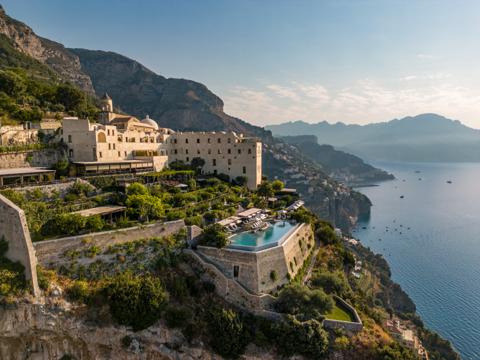
A 17th-century cliffside monastery turned 20-room hotel. The infinity pool on the cliff edge.
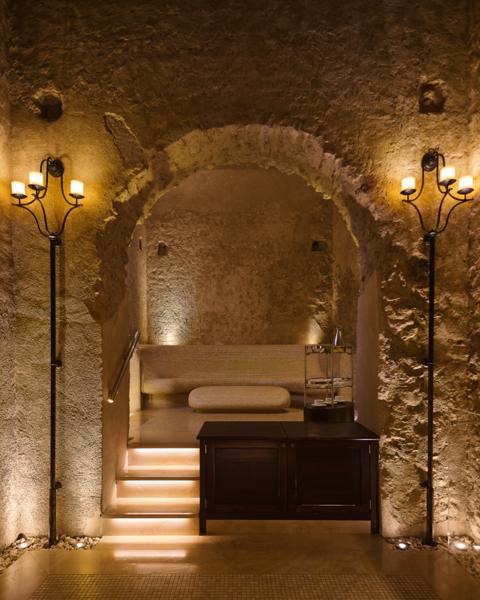
Set in the vaulted cellars of a 17th-century convent. Treatments use Santa Maria Novella products; the thermal suite runs a steam cave, hydrotherapy pools, and a vaulted-ceiling tepidarium. Day passes are limited, so reserve ahead. This is not a walk-in.
Sundays only, from sunrise to early afternoon: the streets around Avissinias Square fill with stalls of vintage Greek ceramics, 19th-century photographs, old icons, lithographs, military pins, vinyl. Part tourist stall, part clear-out of family estates. Bargain, and pay cash. Skip the antique stalls on Pandrossou Street (a clear-out only of Hadrian’s Arch keychains); Avissinias is the one worth walking.
A small protected cove north of Naoussa with an old monastery on the cliff above: clear water, quieter than Kolymbithres, and the better swim for it. Hourly water taxi from Naoussa in summer, or a 10-minute drive with free parking. Pair with the Naoussa harbour walk back for sundown.
The Byzantine-Venetian cliff-fortress on its own tied islet: the Lower Town holds the 13th-century churches and one taverna (Matoula), the Upper Town a 20-minute climb up to the ruined acropolis. No cars; you park at the causeway and walk in. Sleep inside the walls a night, because the daytrippers clear out at 6 p.m. and the place turns into somewhere else entirely.
Twelve minutes in an open single-seater chairlift gliding silently above lemon trees, vineyards, and villa rooftops. The 360-degree view from the top runs from Vesuvius to the Faraglioni to the open Tyrrhenian. Late afternoon for the softest light. The hike up is also possible if you've earned the calves.
A real walk, not a stroll: steep, exposed, often windy. The trailhead is at the chapel of Agia Marina above Filoti. The summit is rocks and a small white cross; the view extends to almost every other Cycladic island on a clear day. Best in May/June or September; don't attempt it at July or August midday. Stout shoes, two litres of water per person.
Twenty-five rooms and suites on the Oia outskirts, on the caldera cliff, fully renovated between 2020 and 2021. Freshwater pool, free parking, and family-friendly.
The highest peak in the Cyclades (1,004 m). 4–5 hours round trip from the Aria Spring trailhead near Filoti, past the Zas Cave (where Zeus was supposedly raised), with summit views to Santorini, Ios and Paros. Start at 5:30 a.m.; by 10 there's no shade left.
Glass has been made on Murano since 1291, when the Republic moved the furnaces off the main islands to cut fire risk. The good furnaces are still here. Skip the 'free demonstrations' that hard-sell you afterward; the legitimate showrooms (Venini, Seguso, Berengo) charge nothing and aren't pushy. Walk the Fondamenta dei Vetrai, lunch at Trattoria Busa alla Torre, and look for the Vetro Artistico Murano trademark on anything you buy.
The museum that holds the original sculptures from the Duomo complex: Ghiberti's Gates of Paradise panels, Donatello's Mary Magdalene, the Pietà Michelangelo began at 70 and couldn't finish. Gothic and early-Renaissance sculpture, and rarely busy.
In 2001 the Faggiano family started a plumbing repair in their townhouse and turned up 2,000 years of Lecce underneath it: Roman cisterns, medieval frescoes, a Knights Templar passageway, Messapian tombs. They made the whole building a privately run museum you walk self-guided in forty minutes. The owners are usually around and will fill in the details if you ask. Five euros, and one of the odder small museums you will walk into.
The leading collection of Cycladic-era figurines, the marble white-on-white sculptures from the 3rd millennium BC that fed Brâncuși, Modigliani, and Henry Moore. Founded by Nicholas and Dolly Goulandris in 1986, with the 1895 Ernst Ziller mansion next door (annexed by the museum in 1991) holding the temporary shows. Smaller than the Benaki, and easier to absorb. 90 minutes.
In Fira on Mitropoleos Street, the museum holding the actual frescoes lifted from Akrotiri (the site itself shows only reproductions). The headline is the Spring Fresco, swallows and lilies painted on the eve of the eruption. Two hours. Do it the same day as Akrotiri: the site shows you the building, the museum shows you what was inside it.
The Bronze Age citadel: the Lion Gate, the cyclopean walls, the Treasury of Atreus tholos tomb, and an on-site museum with the (replica) golden mask of Agamemnon, the original being in Athens. 30 minutes from Nafplio. Go at 8; by 10 the coaches arrive and the photographs become impossible.
A 22-suite SLH member above the Tourlos new-port marina: 5 minutes by cab to Chora.
A 1960s Mykonos Theoxenia restored in the late 2000s: the sharpest mid-price hotel in Mykonos Town.
Two hours of aimless walking through the deliberately confusing whitewashed alleys of Chora, a 17th-century pirate defence (disorient the raider) that grew into one of the most photographed small towns in the Cyclades. Take in the Kato Mili windmill row, Little Venice, the Panagia Paraportiani (the sculptural white church in every Mykonos photograph), the harbour. Walk it in the morning or after sundown, never at noon.
Walk up from the harbour at 6:45 p.m. in summer (the light starts going by 7:45, and the wind by 7:30). Find a wall to lean on. The angle of the windmills against the lowering sun is the photograph; you've seen this exact view a thousand times before you get there. Free, crowded but not unreasonably so, gone in 30 minutes.
The white-pebble crescent in every Greek-islands brochure: the long view down from the Assos road is the photograph, and the swim itself involves a steep downhill drive and a sharp-pebble entry. Go for the photograph and a 30-minute swim, then lunch up at Assos
The Marriott Luxury Collection property in Oia, cut into the upper cliff: the Charisma and Lure restaurants, the Circe bar, and a Secret Wine Cave.
The ruined Byzantine city above Sparta: 14th-century churches with intact frescoes, the despot’s palace, a whole abandoned hill-city. Walk it top-down (the gate is at the top of the road) over 2–3 hours. Pair it with a night at Euphoria Retreat just down the hill.
Yialos harbour: chef Stavros's wood-oven Symi kitchen, the room the harbour-front regulars book and yacht crews squeeze into. Slow-cooked meat from the oven, the sweet small Symiakos shrimp (the island's famous catch), an unfussy wine list. The Yialos dinner.
On the Akronafplia cliff above the Old Town: a 5-star with bungalow villas, two pools, and a private funicular down to Arvanitia beach.
The 90-minute slow walk around Naoussa harbour and back through the whitewashed lane maze: fishing boats landing the day's last catch, the ruined Venetian fortress on the headland, the old Church of Agios Nikolaos on the quay. As small-town sundowns go, the Cyclades offers nothing more honest. Pair it with a glass at Vavayia's before dinner.
Spaccanapoli is the dead-straight line that bisects the old city: markets, shrines, palaces, churches stacked on older churches. End in the Sanità.
The great collection of Greek antiquities, in a neoclassical building from 1889 on the north edge of Exarchia. The Mask of Agamemnon, the Antikythera Mechanism, the bronze Zeus of Artemision, the Mycenae gold. It sits outside the centre, which is the only reason anyone skips it, and skipping it is the mistake. Give it half a day.
North coast, in the Aharavi/Roda area: chef Ekaterini Nikolakopoulou's fine-dining room, often cited alongside Etrusco as the most ambitious kitchen on the island. Tight tasting menu, modern Greek, a quieter alternative to the Etrusco booking-trial.
Stone villas and suites on the Stelida hilltop with private pools and the long view down to Agios Prokopios. A member of Small Luxury Hotels of the World.
Ten adults-only suites on Plaka sand: in the Michelin Guide for hotels, the most intimate top-tier choice on Naxos. The room is
The Naxian Collection's adults-only sister property: opened 2017, villa-style with private plunge pools, the same Stelida view, with fewer shared hotel facilities.
The half-day boat trip out of Fira's old port: first to Nea Kameni
The Nemea appellation, 90 minutes north of Nafplio and the heartland of Agiorgitiko
A 79-room YES! Hotels / Design Hotels member on Filellinon Street, the only Greek hotel ever designed by Humberto and Fernando Campana, the Brazilian design duo whose first hotel project this was.
The oldest taverna in Psyrri, established 1967: wood tables, paper tablecloths, a chalkboard menu of yesterday's slow-cooked dishes. Stuffed tomatoes, lamb in lemon, fresh fava, octopus on charcoal when it's running. Come at lunch; the room fills with Psyrri regulars on Saturdays. Open day and night, closed Sunday.
Family taverna on Agia Anna beach (the one near Paraga, not the Kalafatis-side Agia Anna with Spilia): small and family-run, half the price of the south-coast clubs, the only restaurant directly on the cove. Walk-in friendly in shoulder season; reserve in August.
The bay-side lunch in the far-north fishing village: the morning's catch, simply grilled, a long table on the water. The reward for driving up to see the Kouros and the north coast.
A traditional Rhodes taverna since 1981: the Niohori family runs the butcher across the road and serves what they cut that morning.
A pane ca' meusa counter on Via Vittorio Emanuele in Palermo.
At the Elysium Resort on the Kallithea coast 10 km south of Rhodes Town: chef Giorgos Troumouchis and Spyros Kougios (ex-Maaemo, Oslo) running a "Progressive Rhodian Cuisine" tasting menu. Athinorama Toque d'Or 2022–2024, FNL two-star. The Rhodes fine-dining anchor the Old Town doesn't quite have.
The Evok Collection's first Italian property: the former Venice Chamber of Commerce, opened as a hotel in 2023. Two Michelin Keys.
Norcia is the town that gave Italy its word for a butcher (norcino). Several salumerie run guided tastings (Norcineria Ansuini and Brancaleone da Norcia are the names) through prosciutto di Norcia IGP, capocollo, ciauscolo, and the local pecorino. Combine with a truffle stop next door. Norcia was hit hard by the 2016 earthquake and is still rebuilding, so supporting local producers matters.
One Michelin star in Pesaro, on the Marche coast. Chef Stefano Ciotti cooks Adriatic fish, fermentation, hyperlocal sourcing, no shortcuts.
Noto's main street is really two, running parallel along the Baroque axis, with the cathedral, half a dozen palazzi, and three churches lined up like a stage set. The honey-coloured limestone the whole town is built from glows orange at sunset, the right hour for a passeggiata and a granita. The cathedral collapsed in 1996 and reopened in 2007; the interior is sparser than the exterior promises, but the climb up the bell tower is the photograph.
Down at the Pyrgaki end of Alyko: a stone-and-cedar seaside room, the catch grilled simply, the bottle list local. Sunset table. The wind-down dinner on a long-stay trip.
A nine-room Romanelli-family-run boutique with a Moroccan-meets-Mediterranean look: embroidered fabrics, low lanterns, a private ground-floor garden courtyard. A short walk across the bridge from the Accademia.
Drakona village, 18 km up out of Chania: Stelios Trilyrakis cooks in clay pots and wood ovens, with no electric appliances on the property and the vegetables coming from the family's own plot. Order the gamopilafo (wedding rice), the slow-cooked goat and the ladotyri.
The Santa Caterina monastery, founded 1275, converted into an 18-suite hotel, with an underground spa threaded through a 1st-century AD Roman amphitheatre. The remains run back to the 2nd century BC, including a temple to the cult of water, and the thermal circuit runs among the Roman pillars. Nun positions itself as the only hotel-museum with an integrated archaeological site.
The family farm sits at the south end of Adamas bay: their own goats, their own cheese, hand-written menus on butcher paper. Get the pitarakia, the goat in lemon, the salad. No reservations after 8.
On the site since 1221, when the Dominican friars began cultivating medicinal herbs here. Walk in for the frescoed sales room. The ones to buy are the Acqua di Santa Maria Novella, the Pot Pourri and the Acqua di Rose. Entry is free; you don't have to buy anything.
Relais & Châteaux flagship dining room inside the Elounda Mare hotel: chef Stavros Kokkinakis, Toque d'Or, a €65–120 prix fixe of modern Greek cooking with the Mirabello Gulf in the window. The east-coast dinner. Book a week ahead in season.
The abandoned Venetian-era mountain village on Pantokrator's flank in north Corfu, slowly being restored, with two small tavernas ( Foros
An adults-only all-suite hotel at Tsilivi (north of Zante Town): calmer than the Laganas strip, with modern Cycladic-aesthetic rooms and a good pool.
A working masseria in the Parco Agricolo degli Ulivi Secolari outside Ostuni, in the Rodio family for over 200 years. The tour crosses their olive grove (including 'il grande vecchio,' a 3,000-year-old tree still fruiting), drops into an underground Roman-era oil mill cut into the bedrock, and ends with a blind tasting of three of their extra virgins. About an hour, €10–12 per person. Corrado Rodio, the owner, often runs it himself in good English.
Cross the Ponte Vecchio first thing, before the jewellers open and the tour groups arrive, and walk south into the Oltrarno. Piazza Santo Spirito has a market most mornings. Via Maggio is Florence's antique-dealer street. The leather workshops between Pitti and the Ponte Vecchio open to visitors who ask.
The site of the original Olympic Games (776 BC to AD 393): the running stadium, the Temple of Zeus, and the workshop where Phidias carved the lost gold-and-ivory Zeus. The museum across the road holds the Hermes of Praxiteles. 3h30 from Athens; on the way back from Costa Navarino, take the inland route.
A 50-room adults-only boutique on the Ornos hillside: the Ornos stay we'd book below the Santa Marina luxury tier.
One&Only's first Mediterranean property: opened November 2023 on a protected 21-hectare reserve on the Glyfada coast, with 127 villas, bungalows, and suites in a restored 1970s seaside compound.
A mountain village an hour into the interior, with 150-plus political murals painted onto the houses since the 1960s: anti-fascist, anti-NATO, pro-shepherd, pro-resistance. A slow afternoon's worth of them. Walk the streets on your own or book a local guide to translate the dialect graffiti underneath. Lunch at a village trattoria after; Ai Monti del Gennargentu is the call.
An Art Nouveau former post-office building on Ortigia's seafront, restored to its 1920s grandeur.
A 75-minute guided tour through a fraction of the 1,200 Etruscan caves and wells that honeycomb the tuff beneath Orvieto. Wine cellars, olive presses, columbaria for pigeons (a Renaissance protein source). The English-language tours run twice a day in season; book online to skip the queue.
Directly across the canal from Squero di San Trovaso — the working gondola repair yard — this Dorsoduro bacaro pairs €2 cicchetti with a working-boatyard view.
A tiny counter behind Rialto Market run by Francesco Pinto and his son Matteo. Lunch only; closes 2:30.
Twenty seats and a daily market menu. Twenty seats, two seatings a night, chef Bruno Gavagnin in the kitchen and Luca Di Vita running the room since 1993. Book three weeks ahead.
A canalside trattoria in Cannaregio with tables on the fondamenta, opposite the old Jewish Ghetto. Creative Venetian: modern execution, traditional roots.
Twins on Ruga Vecchia San Giovanni near Rialto. Photos of other twins line the ceiling. The crostini rotate daily.
Lecce's "destination fine dining in the traditional sense", Salento cooking in a courtyard restaurant a short walk from the duomo.
Housed in the former stables of the 18th-century Palazzo Valguarnera-Gangi on Piazza Croce dei Vespri (the Sicilian Baroque/Rococo pile where The Leopard's ballroom scene was filmed), a sit-down Sicilian seafood restaurant with a wine list to match.
A cellar restaurant in Ostuni, set in a 16th-century cave that was once a bakery oven. Closed Mondays.
A small, modern-feeling osteria in the centre of Ascoli, doing Marche cooking with care and a light hand. Excellent fried mixed plate, perfect olive ascolane, fresh pasta with truffle.
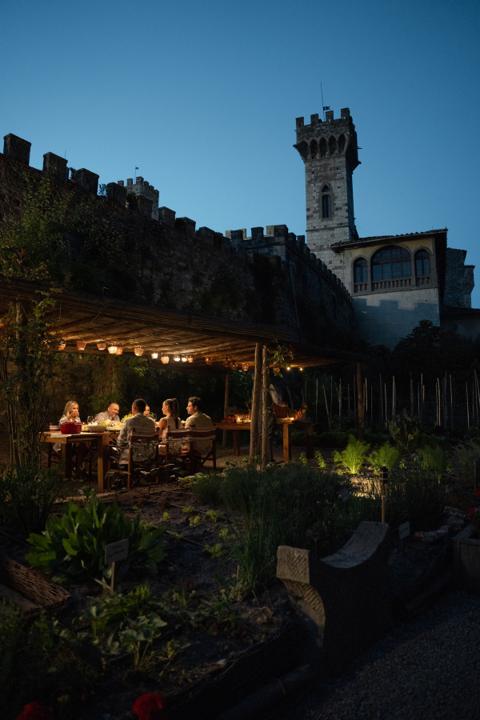
Marchesi Antinori's one-Michelin-star restaurant alongside the 11th-century Badia a Passignano abbey deep in Chianti Classico, about 40 minutes south of Florence.
Chef Davide Del Duca's modern kitchen by Porta Portese. Tasting menu or à la carte, and a deep wine list.
The white city on the hill above the olive groves: every building washed in lime, every alley a switchback, the cathedral at the top with a 24-spoke rose window. The walk from Piazza della Libertà to the cathedral takes 20 minutes if you don't stop, two hours if you do. Avoid Saturday nights in July and August unless you came for the nightlife. Wednesday is market day in the lower town.
Gelato spelled backwards. Intentionally offbeat. Flavors are intense and often unexpected.
A seven-room Oltrarno palazzo with a hidden interior garden, across four floors.
The Michelin-starred restaurant at the Belmond Grand Hotel Timeo: sixteen seats on a bougainvillea-covered terrace, Etna to one side, the Ionian below, the view doing half the work.
A fishing-family ouzeri on the harbour in Piso Livadi, on the east coast: the owner has his own boat, which settles the sourcing question. Whole fish, shrimp saganaki, stuffed sardines, sea-urchin spaghetti in season, for roughly half what the same plate costs in Naoussa. The drive from Naoussa is 30 minutes; stop at Marpissa village on the way back and it stops being a detour. Reserve in summer.
Emmanouil Benaki, between Akadimias and Solonos in Exarchia: the Grammelis brothers from Mytilini opened it in the early 1960s and have been getting daily fish off the boat from Polychnitos on Lesvos ever since. Salted sardines, smoked mackerel, sea-urchin spaghetti, and the upright piano the regulars still play. A long lunch with several small ouzos, so pace yourself.
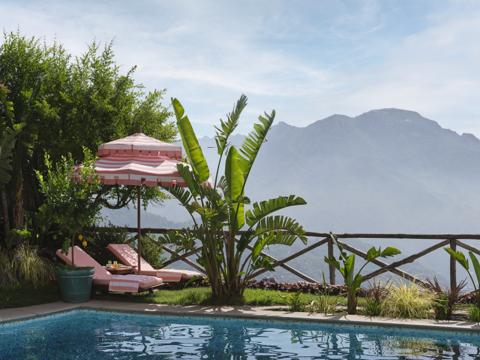
A pink palazzo on the cliff in Ravello. Quieter than the coast below. Ten degrees cooler in summer.
A boutique-hotel-as-living-museum inside an 18th-century palazzo a block from Basilica di Santa Croce: ten suites, plenty of art, a quiet rooftop.
A 17th-century princely palazzo on Palermo's seafront, restored by the Valsecchi family (collectors and dealers from Milan) and reopened as a private foundation in 2021. Three floors of contemporary art against original Baroque ceilings, a library of rare books, and a sunlit rooftop looking across the Foro Italico to the sea. The cultural stop in Palermo, and one plenty of Palermitani haven't got to yet.
A pared-back design hotel in a 19th-century aristocratic home in the deep Salento: gallery-like suites, a black-bottom citrus-courtyard pool, communal dinners.
A restored Liberty-era palazzo with a colonnaded inner courtyard, and a Leading Hotels of the World member.
Federico da Montefeltro's 1460s ducal palace, the Renaissance ideal turned into architecture. The gallery inside holds Piero della Francesca's Flagellation and Raphael's portrait of a young woman. Allow two hours minimum. The studiolo, the duke's tiny study inlaid with trompe-l'œil intarsia, is the room you can't miss.
Mariano Fortuny y Madrazo, the Spanish-born painter, photographer, set designer, and fashion innovator who realised the pleated silk Delphos gown in 1909–10 from an idea by his wife Henriette Nigrin, lived and worked in this Gothic palazzo from 1898 until his death in 1949. His widow Henriette gave the house to Venice in 1956, and it reopened as a permanent museum in March 2022 after restoration from the 2019 acqua alta floods. The interior hangs exactly as Fortuny left it: his paintings, his lamps, his theatrical sets, the workshop where the Delphos was dyed, the photographic archive. Painterly, dim, deliberately moody; bring a phone with a good low-light camera. Closed Tuesdays. The piano nobile holds the main rooms.
Direct Colosseum views. The rooftop restaurant Aroma holds one Michelin star under Executive Chef Giuseppe Di Iorio. 21 rooms and suites.
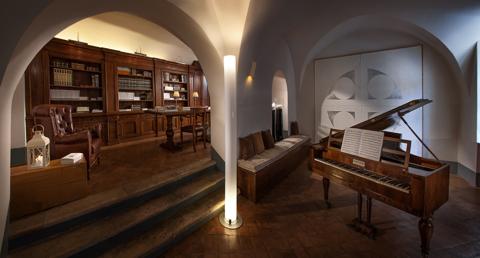
Relais & Châteaux, Michelin Key, 24 rooms in a 16th-century palazzo run by the Bianconi family for five generations. Anchor stay for Norcia, the Sibillini, and the Castelluccio plateau.
A 15th-century Renaissance palazzo that hosts contemporary art and historical exhibitions. Past shows: Marina Abramović, Olafur Eliasson, Donatello, Anselm Kiefer. The courtyard is open and free; the exhibitions are ticketed and worth checking before the trip. The stop for anything from the last 600 years that isn't strictly Renaissance.
The big south-coast beach: geothermally heated sand, three tavernas (go to Sirocco), and gigantes baked in the ground. Half-day plan: morning swim, long lunch, drive home for the nap.
The building covers 7,730 square metres, which made it Europe's third-largest opera house by floor area when it opened in 1897. It seats 1,300 today. Even if you're not an opera person: the architecture tour (45 minutes, daily 9:30 a.m. to 5 p.m., €12) is the visit on its own. If your trip overlaps with a performance, the cheap seats are €30 and the building does most of the work.
The "Church of the Hundred Doors" in Parikia, a 4th-century-AD Byzantine basilica and one of the oldest churches still standing in Greece. Three connected churches under one roof, with an Early Christian baptistery in the courtyard. An easy ferry-day visit, five minutes on foot from the port. 45 minutes; free; modest dress.
A two-hour residential-Athens walk: start at the Panathenaic Stadium (the marble one rebuilt for the first modern Olympics in 1896), wind through Pangrati’s leafy streets, and end at the First Cemetery of Athens, a 19th-century neoclassical necropolis with marble sculptures by the best Greek sculptors of the period. Most travellers never think to come, and the people who live here treat it as a normal Sunday. Lunch at Karamanlidika tou Fani
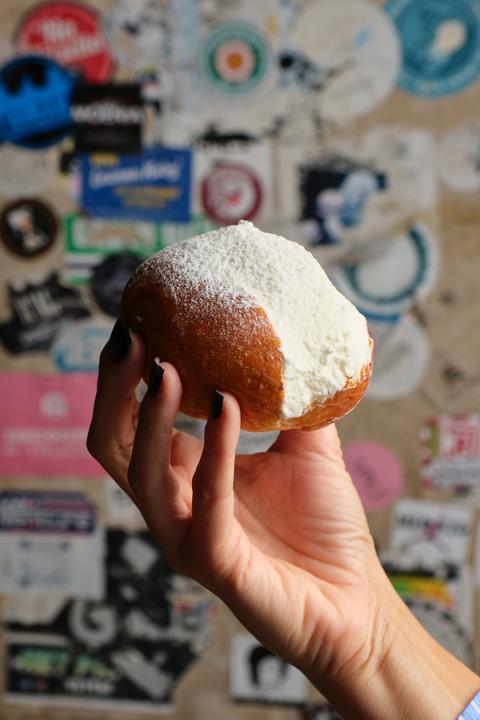
Gabriele Bonci's bakery near the Vatican. Pizza by the slice plus excellent morning pastries.
Family-run bakery since the '70s, still a neighbourhood errand.
The north-coast alternative to the south-coast beach-club circuit: Panormos is a long sand crescent with Principote on it (a pavilion-style beach club, less velvet-rope than Nammos). Quieter, and more luxurious for the price; the one to take on the days the south coast is a queue. Book the sunbeds a week ahead.
Nikiforou Theotoki 32, Corfu Old Town: third-generation Dafnis-family patisserie since 1924. The bitter-chocolate desserts are the work the city talks about; the house-made kumquat and wild-strawberry gelato (from a single local Corfiot dairy) is the summer order.
The two beaches that defined Mykonian club culture for decades: Paradise
There's something surreal about soaring over the Alpe di Siusi, especially in the golden hour when the Sassolungo turns pink and you're 800 metres above it. Tandem flights from Tandemfly with certified pilots: 15–20 minutes airborne, 90 minutes door to door. Best in summer, when the thermals are clean. Book ahead; places are limited and sell out. Not for the wind-shy.
A converted late-1800s bank on Via Tommaso Grossi, with a side entrance opening straight into the Galleria Vittorio Emanuele II. Ed Tuttle's travertine interiors, the circular Cupola lounge and Pellico 3.
The "neo-taverna" at the Mandarin Oriental Costa Navarino: by Alexandros Tsiotinis, the Michelin-starred chef of CTC Athens, alumnus of Alain Passard and Pascal Barbot. Traditional Messinian recipes "paraphrased" through small-producer sourcing. Reopens for the 2026 season March 31. The Navarino Bay dining argument that justifies leaving the Dunes side for a night.
A 46-suite Design Hotels member on Kolympithres bay, opened 2019: minimalist whitewashed cubes around a serpentine pool, the Mr Steve restaurant, the headline post-pandemic Paros opening.
Michelin one-star at Masseria Mancini in the Polignano a Mare countryside, relocated from Conversano and reborn as "Ristorante e Dimora" (restaurant + design suites for overnight stays) inside a masseria estate amid centuries-old olive groves.
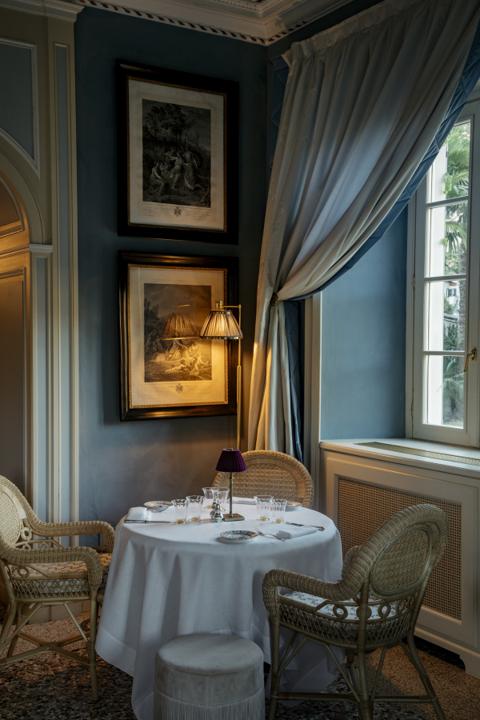
The De Santis family's restored 18th-century villa in Moltrasio. Opened 2022, now Three Michelin Keys. 24 rooms only.
A purpose-built cooking school in the Oltrarno running small-group classes in fresh pasta, sauce, and tiramisu. Modern kitchen studio, professional Italian chefs, wine pairing throughout. Private classes available; book a couple of weeks ahead. The technique translates back to your own kitchen.
A Palermo dynasty since 1944, and the Palermitan home of the Setteveli, the seven-layer chocolate-hazelnut cake the 1997 Italian Pâtisserie team won the Coupe du Monde with; Cappello re-engineered his own version, making it a Palermo sweet-counter fixtus symbol.
Two minutes from Santa Lucia station, run by the same family since 1906, and the first breakfast to have if you arrive by train.
A few steps off Piazza Sant'Oronzo, Natale is the Lecce purist's pasticciotto: traditional custard only, eaten warm.
Founded 1830. The historic café in front of Amalfi's Duomo, still making the sfogliatella Santa Rosa.
Historic family-run pastry shop on the edge of Esquilino. The maritozzo is the Roman gold standard.
A Dorsoduro pastry shop on Calle San Pantalon. Standing-room only, screaming-match ordering at the counter, and the krapfen (cream-filled doughnut) people queue for.
A 56-room Marriott Luxury Collection hotel on Grikos bay, with a spa and on-site restaurants.
The fortified monastery from 1088 crowning Patmos's Chora, UNESCO-listed since 1999 and one of the Orthodox world's great pilgrimage sites outside Mount Athos. Halfway down the hill sits the Cave of the Apocalypse
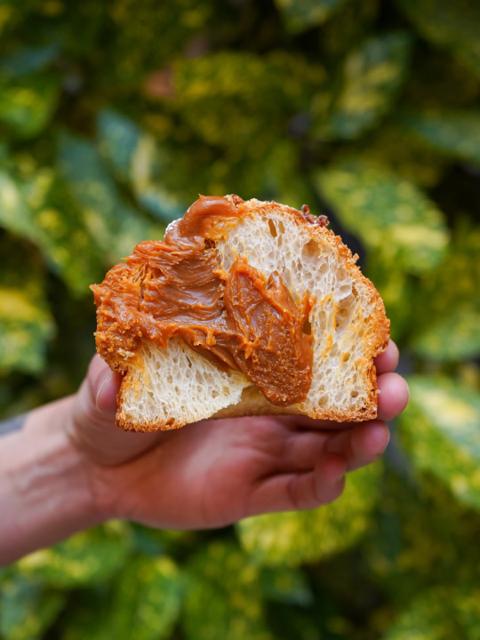
A pastry laboratory and a "living room with a kitchen," near Porta Venezia. The signature brioche weighs 160 grams, 100 of which are homemade apricot jam. Sit-down breakfast, the way Milan rarely does it.
From Gaios harbour on Paxos: a small-boat day around the blue caves
Peggy Guggenheim lived in this unfinished one-storey palazzo on the Grand Canal from 1949 until her death in 1979. Her collection (Pollock, Picasso, Magritte, Ernst, who was her husband, Brancusi, Calder) hangs in her actual rooms, with the terrace onto the canal and Marini's bronze horseman pointing across the water. A museum that is still recognisably someone's house. Open Wednesday to Monday, closed Tuesdays. In the back garden, Peggy and her fourteen dogs are buried.
Also inside the Four Seasons Astir Palace, currently holding one Michelin star, with chef Luca Piscazzi running a Mediterranean-Italian kitchen on Greek seafood and a 350-label cellar that goes deeper than most rooms twice its size. Book the terrace for dinner overlooking the Vouliagmeni cove.
On the Oia caldera edge since 1996: a restaurant and bar. Mediterranean, seafood-led, with an outdoor terrace cantilevered over the rim. Book the sunset table.
A 22-room boutique in Kolonaki: YES! Hotels' first design project, architecture by DECA, a Design Hotels member and the quietest of the city's small-luxury options.
The long black-sand beach on the south-east coast, split into Perissa (the quieter northern end), Perivolos (the developed beach-club middle), and Vlychada (the wild south end). Sunbeds at the clubs run €25–60 per pair; the public stretches swim for free. It works as a half-day of swim and lunch when the inland half of the island is too hot. Drive over rather than take the bus.
The fish-sandwich counter on Piazza Aldo Moro that turned Polignano into a food destination. It has since opened elsewhere in Italy, but Polignano is where it started, in 2015.
Two kilometers of white sand and shallow turquoise water on the Ionian side, near Italy's heel. The nickname is overused but the water does look Caribbean. Pay €15–25 for a lido (sunbeds, umbrellas, bar) or walk further down to the free public stretch. Bring nothing you can't carry back. The drive from Lecce takes an hour; do it once.
The Captain Polyxingis mansion in the Old Town: a restored heritage building, fed by the kitchen's own 30-acre organic farm at Charaso. The menu is built around forgotten Cretan ingredients (wild greens, heirloom grains, slow-cooked goat). Book ahead.
A small adults-only sea-view hotel above Petani Bay on Kefalonia's quieter west coast: directly above one of the island's prettiest beaches.
SLH-member small hotel on the hill above Grikos beach on Patmos: 11 rooms, terrace-and-sea views, the Petra family running it since 1989. The reference Patmos boutique stay, walking distance to a quiet swim and a 10-minute cab from Skala for the Vegghera/Benetos dinner.
A Relais & Châteaux country resort hidden in five hectares of granite hills above San Pantaleo: the smart alternative to Costa Smeralda's bigger names. On-site restaurant Il Fuoco Sacro is one-Michelin-starred (since November 2022, retained in the 2026 Guide).
The pine-covered hill straight south of the Acropolis: paved paths through cypress and olive, a morning jogging route for the people who live here, and the best free view of the Parthenon there is, eye-level, with the Saronic Gulf behind it. The marble monument at the summit is a 2nd-century-AD Roman tomb. Come at sundown, bring water, budget 45 minutes round-trip.
Neos Kosmos behind Syngrou: chef-owners Fotis Fotinoglou and Thodoris Kasavetis opened it in June 2019, the menu changes daily, and the kitchen is open, so you watch the day's plates come together. The signatures are thick-cut potato chips with taramasalata and fish tartare wrapped in stuffed vine leaves. The mid-tier dinner we'd send you to before you book Hytra or Delta.
Next door to Kirkor on Heraklion's central square: third-generation family, founded 1922, specialising in phyllo pastry and the city's reference galaktoboureko (semolina custard inside crisp phyllo, soaked in lemon-syrup). The afternoon-sweet stop.
A high plateau at 1,300 m in the Monti Sibillini national park. From late May into early July the wildflower bloom, the fioritura, turns the plain into stripes of poppy red, cornflower blue, mustard yellow, and lentil green. The Umbrian landscape photograph. Drive up from Norcia.
The Oltrarno's neighbourhood square market: produce, local vendors, a few street-food stalls, the basilica facade as backdrop. Have a coffee at the corner bar and go before 10 a.m.
The view takes in Florence below, the Duomo, the Arno and the hills. Walk up from San Niccolò about 30 minutes before sunset; the kiosk sells a serviceable Aperol Spritz. Pair it with San Miniato vespers above for a full hour and a half.
The Naxos unicorn: a Mexican kitchen on Plaka beach, open since 1996, run by an Aussie-Mexican family. Order the salt-rim margarita on the sand at 4 p.m. after a swim; the food is the deepest non-Greek meal you'll get on the island.
Magganos village, 2 miles outside Fiscardo on the road to Assos and Myrtos: mother-and-daughter run, the modern Anglo-twist brunch the Fiscardo yacht crowd drives up for. The Sunday Eggs Benedict is the order; they also pack full beach hampers to take away.
Milan's great public collection: Caravaggio's Supper at Emmaus, Mantegna's Dead Christ, Raphael's Marriage of the Virgin, all in one wing. Less queue-heavy than the Vatican or the Uffizi for a set of paintings just as good. Pair a morning here with a long lunch at Ratanà or Silvano.
A walk-up grill house on the Oia main strip: charcoal-grilled pork on the spit and hand-cut pita, €4–6 a pita. Eat standing on the corner.
A small fish taverna in the Old Town since 1970: the Pizanias family room, where the catch is what came in that morning and the menu is the conversation. The Rhodes-fish dinner without the harbour-front mark-up.
A hidden ground-level courtyard tucked into an alleyway behind Amalfi's Duomo, sheltered under a low canopy of mature lemon trees.
A small cocktail bar in Fira, on the back of the cliff, operating since 1976; no caldera view, all about the drinks. Yiannis Kanakaris has been mixing here for decades. Small, dim, and the second stop after Franco's.
Four kilometres of fine pale sand on the west coast: wide, flat, mostly empty if you walk five minutes from the road. Picasso for lunch, Banana for an afternoon cocktail. The Naxos beach to give a full day to.
Walk past the beach bars to the southern end; the crowd thins by half every five minutes of walking. Bring an umbrella, water, food, since the back end has no taverna. The wind picks up after 2 p.m. (kitesurfers love it, swimmers do not). Sunset from the rocks at the south end is the quiet one on Naxos.
The hilltop capital. Park outside the village (cars are punished inside), walk the white-laned spine to the Kastro, drink at Utopia as the sun goes down, walk back to the car. 90 minutes, end to end.
From the Platis Gialos dock the water taxi runs through the day to every other south-coast beach: Paradise, Super Paradise, Paraga, Agrari, Elia. This is how you beach-hop here, cheaper and faster and more atmospheric than cabbing between them. Drop your bag at Branco or Avli tou Thodori for lunch between rounds.
Above Loukakia Beach in the Sapsila bay: chef Ettore Botrini (the same Botrini behind Etrusco on Corfu, who holds a Michelin star at his Athens restaurant) running a pool-side terrace kitchen. Shrimp risotto with vanilla, smoked-sygklino tagliatelle, the cooking the Patmos yacht crowd talks about. The third Patmos dinner once you've booked Benetos and Vegghera.
A two-hour skiff or gozzo out of Cala Porto, threading the limestone grottoes north and south of town: Grotta Palazzese, Grotta delle Monache, Grotta Azzurra. The water turns electric blue when the sun is over the boat. The captain stops to swim. Book a small-group operator, not the megaboat, and go in the morning before the wind picks up.
Scaramanga Square, Corfu Old Town: chef Aristotelis Megoulas, modern Greek with Italian training, the room where Old-Town residents take out-of-town guests. Pasta made in-house; the seafood orzotto is the dish to get.
Pompeii is the one everybody names, and the heat, crowds, and sheer scale make it a slog without a guide. Herculaneum is smaller, better preserved, and a fraction of the visitors. Pair either with a half-day on Vesuvius and a stop in Naples for pizza.
A 14th-century aqueduct-bridge across a wooded gorge, 230 metres long and 80 metres high. The view from the Rocca above is the one to get. Walking across it closes periodically for restoration, so check before you go. The forest walk along the gorge is open year-round and takes about an hour.
The Lunghi family has been roasting whole pigs over wood with wild fennel and garlic in Costano, a frazione of Bastia Umbra fifteen minutes from Assisi, for three generations. Umbrian porchetta is born here: eat it from the market van, in a roll, standing up.
Rome's great Sunday flea market: vintage clothing, ceramics, old prints, furniture, real finds mixed with outright junk. Come before 9 a.m., bring cash, and hold no particular agenda about leaving with something.
The lone freestanding marble doorway of the never-finished Temple of Apollo, on the islet off the end of Naxos Town harbour, standing since 530 BC. Walk the causeway out around 7 p.m. in summer, find a flat rock, and watch the sun drop through the frame, which is the exact angle the thing was built to catch twenty-five centuries ago. Don't book dinner before 9 on a Portara evening. Free, busy in season, still worth it.
The 2,500-year-old marble doorway on a tied islet off the Chora harbour, all that was ever finished of a Temple of Apollo. Walk out 30 minutes before sunset, sit on the marble, and watch the sun set through the frame. If Naxos has one photograph, it's this one.
Portou Street, Old Town: chef Susanna Koutoulaki's small Cretan kitchen, a long-running critics' favourite the tour groups walk straight past. Tight menu, regional Cretan plates, the booking Chania makes for itself.
Lefkada's most photographed beach: pale-cliff backdrop, turquoise water, a 100-step staircase down. Open and accessible; arrive before 11 a.m. or after 5 p.m., or you'll join the day-bus crowd. Egremni
Above the fjord-like inlet at Aghios Leon on Zakynthos's west coast: a pine-shaded terrace looking down into the cove, grilled fish, sardines, squid. The lunch that justifies the cross-island drive from Tragaki or Tsilivi.
The Ferragamo family's Florence flagship: 37 rooms and suites on the Arno, a Caffè dell'Oro downstairs, the Ponte Vecchio out the window.
On the Pigadia waterfront, attached to the Poseidon Blue Gastronomy Hotel: modern Greek cooking. The fish off the morning boat is the order.
The sand spit at Rhodes's far southern tip where the Aegean meets the Mediterranean: when the wind is up, the two seas run different colours, with waves on either side of the same beach. One of Europe's top kitesurfing beaches; lessons run from the Atrium Prestige side. Drive an hour and a half from Rhodes Town; pair with an Atrium Prestige lunch.
The south coast: a wild river estuary that runs through a palm grove down to a beach on the Libyan Sea. Hike down 15 minutes from the parking, and swim where the freshwater meets the salt. The south-coast day trip from Rethymno.
Akrotiriou 4, on the Rethymno waterfront facing the Fortezza: Mediterranean cooking with a few sushi-and-ceviche detours that work better than they should. Terraced over the water; sunset is the table.
Primitivo di Manduria is the same grape as California Zinfandel, grown here in red iron-rich soil and aged differently: denser, riper, more brooding. Negroamaro is the other Salento grape, leaner and more savoury. Visit one estate per region. Felline (Manduria) and Conti Zecca (Leverano) both do excellent guided tastings of three or four wines with a charcuterie board.
Chef Solaika Marrocco's Michelin-starred restaurant in Lecce. Avant-garde Salentine cooking inside a vaulted Lecce-stone room.
The north-coast beach club on Panormos beach: white-on-white pavilions and a kitchen run by chef Maria Loi (Greek-American, Manhattan and Athens credentials). Use it for a north-coast beach-club day, and stay for sunset on the Panormos sand.
Eight hours, your own captain, the route shaped around what you want: Capri grottos, quiet coves, lunch at Da Adolfo or Lo Scoglio. Lucibello has been the established operator on the coast for almost eighty years. If you do one thing on this coast, do this.
If you're staying on Capri or in for the day, hire a small boat at Marina Piccola for two hours (about €200) and circuit the island: the Faraglioni rocks, Grotta Bianca, swim stops in coves the ferries don't enter. The Blue Grotto queue is brutal in summer, and the other grottos are nearly as good and almost empty.
By Solomos Square in Zante Town: chef Krystallia Karageorgou's modern-Greek dining room, with FNL and Toques d'Or recognition.
The dressed-up south-coast pocket: Psarou
François Pinault's contemporary collection inside the triangular 17th-century customs house at the very tip of Dorsoduro, where the Grand Canal meets the Giudecca canal. Tadao Ando renovated the interior in 2009: pristine concrete, original brick, almost no signage. The shows rotate; the building is the constant. From the steps at the tip: San Marco to the left, the Salute behind you, Giudecca opposite. Combined ticket with Palazzo Grassi.
If Pescoluse is the Maldive comparison, this is the case for it. White sand dunes, no buildings, shallow water that turns from clear to turquoise to navy within fifty meters. The protected coastal park keeps it relatively undeveloped. Pack a beach umbrella, water, and a sandwich; the lidos here are sparse and the parking is informal. About 40 minutes from Lecce.
The medieval inland village at the highest point on Santorini: climb up through the labyrinth to the Venetian castle at the top, with a 360° view across the whole caldera, Akrotiri, Perissa, the open Aegean. Less photographed and less crowded than the Oia sunset, with better light on the white houses. Pair it with dinner at Botargo (the 18th-century mansion in the Kasteli), or Selene if it's back in Pyrgos by the time you go.
Antonio Mellino's Porto Cervo project, the seafood spin-off of the Mellino family's Quattro Passi in Nerano. The Costa Smeralda table to book if money isn't the conversation.
Since 1912, four generations of the same family, three branches across Paros: the Parikia counter is the original, the Naoussa branch runs as a small sit-down bistro, and the third sits on the inland 6-km midpoint road between the two. The morning move on the island. Croissants and pain au chocolat on puff pastry they've been laminating for a century, and the textbook spinach-and-cheese pie. Eat standing at the Parikia counter with a Greek coffee.
A near-perfect Baroque hill town: Ibla is the lower, older half of Ragusa, rebuilt after the 1693 earthquake and clinging to a sandstone ridge above a gorge. Walk down from Ragusa Superiore via the 242 steps of Santa Maria delle Scale at sunset. You'll know it from every Inspector Montalbano episode. Book Ristorante Duomo (2 Michelin stars, Ciccio Sultano) if you can, one of the restaurants of southern Italy.
Cesare Battisti's modern osteria in Isola, in a low 1900s railway building under the Bosco Verticale. The risotto alla Milanese is the order. In the 2026 Michelin Guide.
Red volcanic sand against red cliffs at the southern tip of the island, a 5-minute coastal walk from the Akrotiri site parking lot. Note: do not swim under the cliffs.
A 50-plus-year-old family taverna in residential Drios on the east coast, with slow-cooked meats and a small garden at the back. Drive over from Naoussa for Sunday lunch.
Not gelato, not really. A milk-pudding specialist working with four ingredients (fresh Koukaki-farm milk, corn flour, a 7-rice flour blend, sugar) to build the muhalebi and mastiha-and-sour-cherry plates the Nafplio dessert argument is really about. Stevia and almond-milk vegan lines on the menu. The afternoon stop the food press already knows.
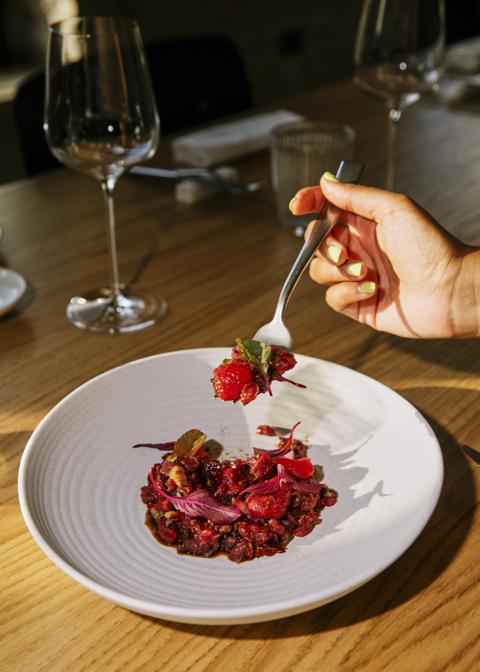
In the Michelin Guide without a star, on Via del Velabro behind the Forum Boarium. Communal tables and a counter facing the open kitchen, where the tasting runs to twenty itemised bites.
Kapodistriou Street, just behind the Liston in the Corfu Old Town: operating since 1932 under the Katsaros family, the textbook for Corfiot classics done well. The sofrito (veal slow-fried in white wine with garlic), the pastitsada, the bourdetto: the dishes the island invented, cooked by the room that has been at them for almost a century.
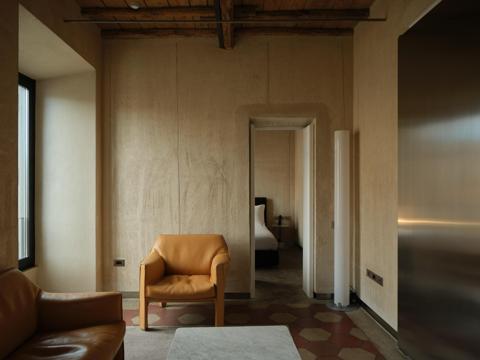
Alda Fendi's project, designed by Jean Nouvel. Twenty-four apartments on Via del Velabro. A gallery with rooms above it.
Housed in the 15th-century Knights' Hospital infirmary in the Old Town: Mycenaean gold, the famous Aphrodite of Rhodes
Europe's largest still-inhabited medieval walled city, UNESCO-listed since 1988. Start at the Palace of the Grand Masters
The Rialto pescheria has stood on this spot since the Republic; the fishmongers' guild is documented from 1227. The fishmongers shout in Venetian and break apart at 1 p.m. sharp. Closed Sundays and Mondays. The Erberia produce market alongside sells the lagoon vegetables you won't see elsewhere: castraure (baby artichokes from Sant'Erasmo), bruscandoli (wild hop shoots), radicchio di Treviso. Go at 7 a.m. for the spectacle.
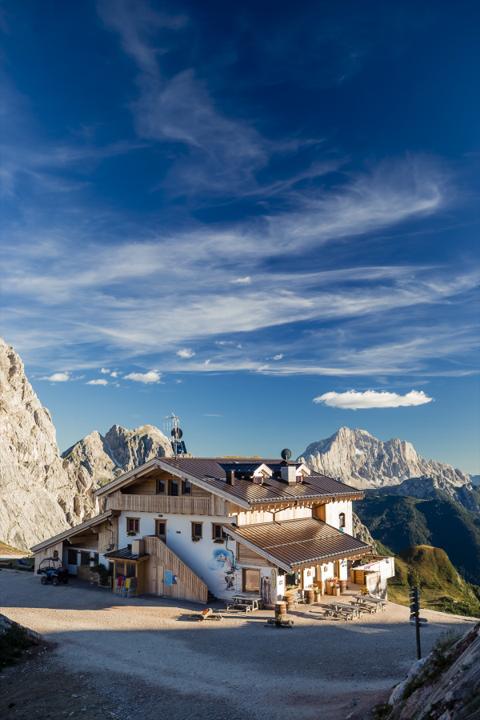
The fanciest rifugio in the eastern Dolomites: at 2,413 metres, with a Tofane view, a wine list that goes deep, and food a step above the standard hut menu.
The Rossi family's Michelin-listed rifugio in an Alpine basin above Passo San Pellegrino: gourmet mountain cuisine, a 600-label wine cellar, and a 40-minute walk through larch wood to reach it.
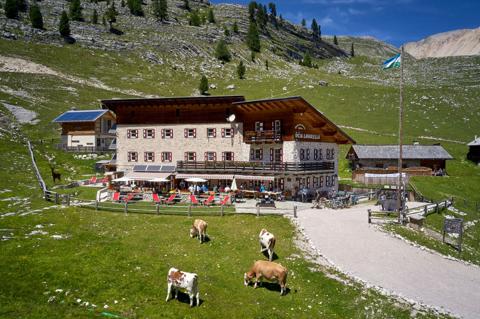
A rifugio microbrewery: beers brewed in-house to the German Purity Law, inside the Fanes-Sennes-Braies Natural Park.
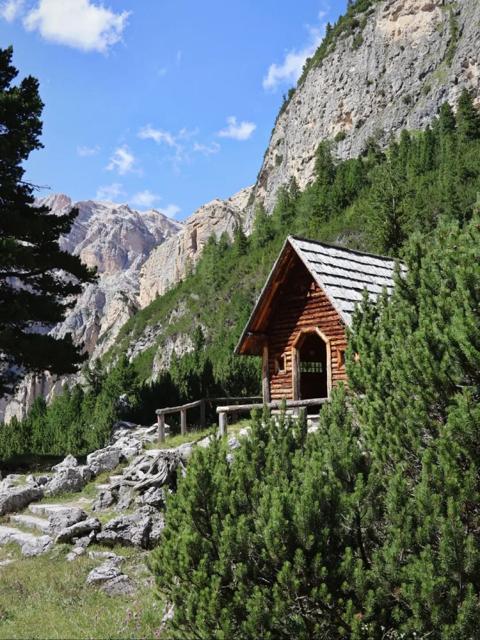
The grill rifugio. A 30-minute walk from Lagazuoi cable car, with a kitchen that has been smoking and grilling meats over wood the same way since the 1950s.
A 7-km coastal walk through a protected reserve between Scopello and San Vito Lo Capo, the stretch of Sicilian coast saved from a planned 1980s highway by protest. Limestone cliffs, seven small coves with turquoise water, no cars, no concessions. Park at the southern (Scopello) gate, walk in to the first three coves, swim, walk back. €5 entry. Bring water, there's nothing inside. April through October.
A 40-year husband-and-wife operation in Castello: Cesare Benelli in the kitchen, Diane (from Texas) running the room. Venetian seafood, no menu shortcuts.
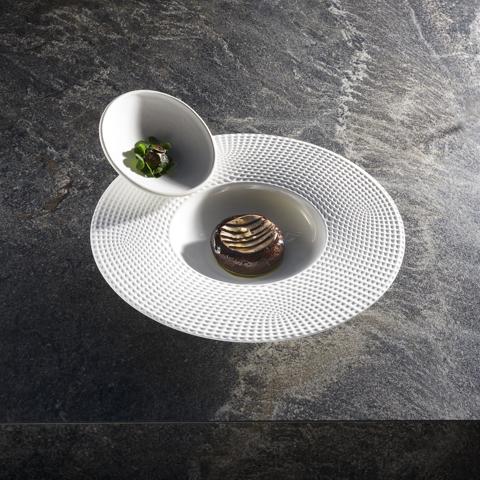
Andrea Berton's eponymous restaurant in the new Porta Nuova business district. One Michelin star. His philosophy: extract the essence of an ingredient with near-scientific precision. The broth courses are the case in point.
Marco Baglieri's Michelin-starred Noto Alta restaurant: modern Sicilian cooking with a German pastry-school accent, in a glass-walled cellar room across from the Crocifisso church.
A beachside trattoria on the Conero coast, in the cove of Portonovo: the Slow Food Alliance anchor for moscioli, the wild Adriatic mussels harvested off this exact stretch of shore.
Two Michelin stars, at Enrico Bartolini's outpost inside Palazzo Venart, run day-to-day by chef Donato Ascani. Thirty seats, courtyard under a magnolia, the Grand Canal a few steps away.
The Michelin-starred dining room directly above Piazza San Marco: Alajmo family kitchen, velvet banquettes, Murano chandeliers, and San Marco as the wallpaper.
The sunset table in Alghero: terrace on the Bastioni Marco Polo, water below you, Capo Caccia in the distance, and a kitchen that holds up.
Kefalonia's PDO white grape, grown on the limestone slopes around Omala
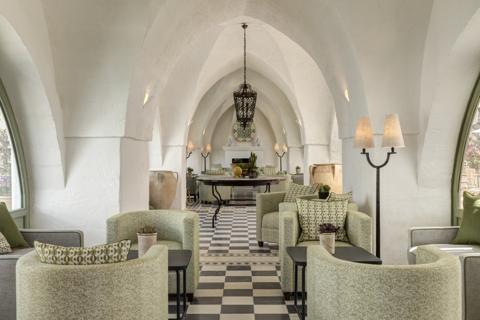
Rocco Forte's Pugliese property: a 16th-century masseria converted by Olga Polizzi into a coastal hotel with a nine-hole golf course and Lido Bambù, the chic full-service beach club with DJ sets, live music, and watersports.
A modern Greek room in a 1912 Oia building, chef Grigoris Karagiannis cooking the Cycladic pantry through a contemporary lens since 2022. Smaller and more deliberate than the Oia caldera spots: no cliff view, all about the food. The room seats around 30; book a week ahead in season.
Combined ticket with the Colosseum. Go at 5 p.m. for the light; the Palatine Hill above has unobstructed views over the whole complex. Buy the ticket online and skip the walk-up line.
/Digital%20Screen%20Res-ROM-GST-280624-17.jpg&w=480)
The Belmond on its own private beach above the Costa Smeralda's whitest sand: star-shaped, whitewashed, in lush gardens, with a near-private cove and a view across to the La Maddalena islands.
Founded 1870, with three locations across the city. Old-world service, marble counters.
The morning version of the Roscioli empire, open from 7 a.m.
Roscioli Cooking Classes runs its sessions at Rimessa Lab on Via delle Zoccolette 28, not the main Rimessa Roscioli. About three hours: a burrata starter, carbonara, fresh handmade pasta (cacio e pepe or amatriciana) and tiramisù, with four paired wines. €125 per person, daily at 12 p.m., minimum two guests.
The former Blue Palace Luxury Collection, reopened in 2025 as a Rosewood after a complete rebuild: bungalows and suites cascading down the Plaka hillside above the bay, all looking across to Spinalonga island. The new top of the east-coast cluster.
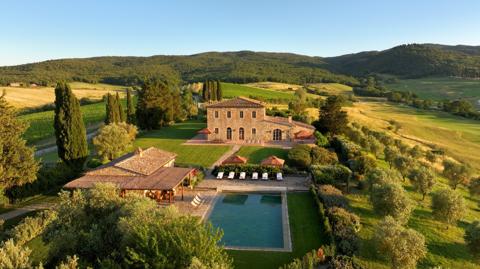
The Ferragamo family's 5,000-acre Brunello estate, run by Rosewood: Campo del Drago (2 Michelin stars since the 2025 Guide), a working winery, a private golf course and a cooking school.
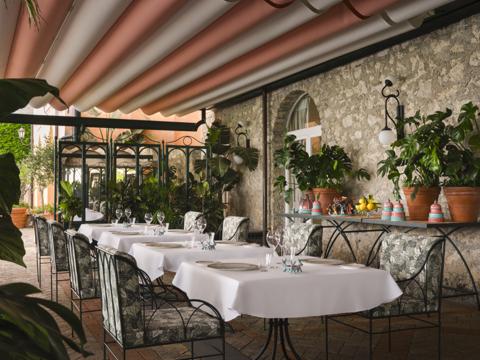
Inside Ravello's pink palazzo. Frescoed dining room, Michelin star, less-touristed than the Caruso.
Open since the 1930s near the Rialto, the rosticceria for when you don't want to dress up. Mozzarella in carrozza for €2, served with no ceremony.
The big-view destination on the Filoti–Apiranthos mountain road. Drive up for the sunset, sit on the round-stone terrace, order a couple of meat dishes and a bottle of local. The view is the lead, the food keeps up.
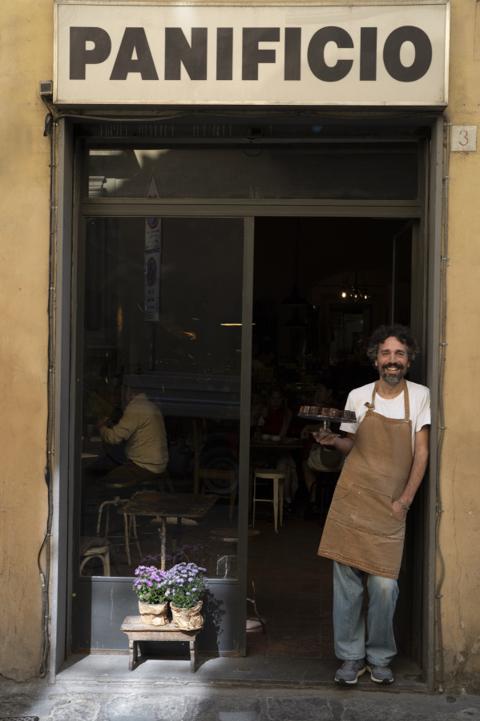
A working Oltrarno bakery from the Il Santo Bevitore team: bread, pastries, communal tables, no fuss.
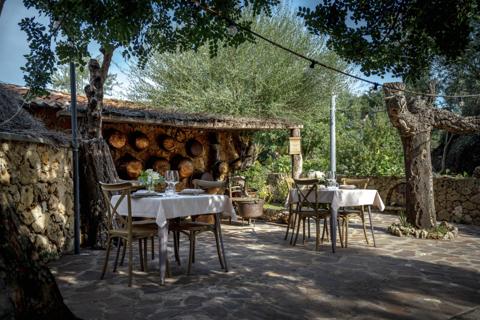
A working sheep farm on the road to the airport. Shepherd cooking twenty minutes from the coast.
A trattoria in Mamoiada, the carnival-mask town deep in Barbagia. Family-run, mountain food, you don't find it unless someone tells you.
The cantina that put Sagrantino on the international map. Marco Caprai's 25-Anni cuvée is the one to taste. Tours and tastings need booking ahead; the standard one runs 90 minutes through five wines, including the structured Sagrantinos. Pair the tasting with lunch on the terrace if it's offered.
The half-day-into-evening catamaran trip out of Naoussa or Parikia: around Antiparos's south coast (unreachable from land), swim stops at the Blue Lagoon and the rocks below Despotiko, lunch on board, and most operators time the return into Naoussa for sunset. Go with a small-group boat, often around a dozen passengers, and leave the 30-to-40-person party catamarans to each other.
The half-day sail that pairs the UNESCO Delos site with a swim off uninhabited Rhenia, one of the calmest, emptiest swim coves in the Cyclades. Small-boat operators leave from Mykonos Old Port and Tourlos; six-passenger gozzo trips run around €250 a person, group catamarans €120. Skip the 50-passenger party boats.
Half-day or full-day on a small catamaran from Chora: sail along the west coast, swim at Rina Cave (only reachable by boat), lunch on board. A few good operators run from the marina; book direct rather than through a hotel concierge.
A pastry laboratory on the beachfront in Minori.
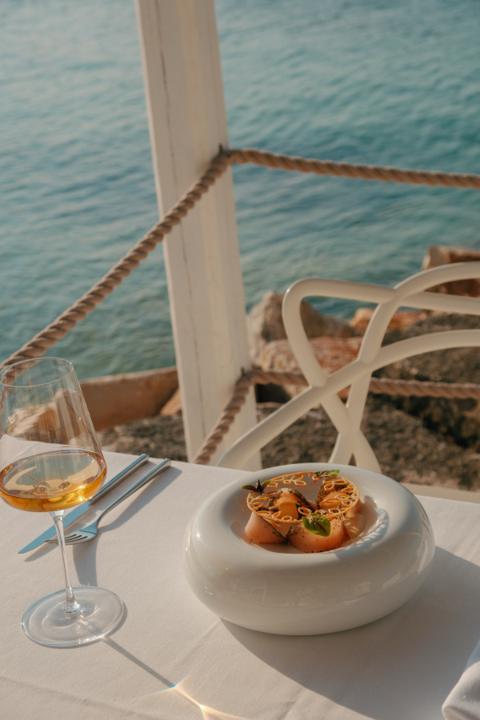
Fine seafood dining at the La Peschiera hotel: terrace tables literally over the Adriatic, with a 16th-century Bourbon fish reserve as the setting.
Salina and Pantelleria can argue about the capers. Salina also produces Malvasia delle Lipari, a honey-coloured dessert wine made from sun-dried grapes. Visit Hauner (the producer credited with reviving Malvasia delle Lipari, above Lingua) or Caravaglio (younger, organic, in Malfa) for a 90-minute tasting with bread, capers, and three or four Malvasias. €35–50. Book by email a week ahead; not a walk-in.
A 30-minute drive across the green Aeolian island, from the granita-and-lighthouse village of Lingua at one end to Pollara (the cove where Il Postino was filmed) at the other. Stop at Lingua for granita at Da Alfredo, the lighthouse, the salt lake at the village edge. End at Pollara for sunset, with a swim if you're up for the steep walk down. Rent a Vespa in Santa Marina Salina, €30–45 a day; the road is what you came for.
Akti Enoseos 3, on the Venetian harbour quay: upscale Cretan with its own vegetable garden and an all-Greek wine list.
Steps from the Pantheon, a mood that runs more Milan than Rome.
Whitewashed, minimal, on the Pollonia main strip: a 30-second walk to Enalion and Yialos. The best-value Pollonia base if Skinopi and Coco-Mat are out of budget.
The 16-km descent through the White Mountains to the Libyan Sea at Agia Roumeli. Open May 1 to October 31, 07:00–16:00 (last full-traverse entry 13:00). 5–7 hours one way, with no path back; you catch the 17:30 ferry from Agia Roumeli to Chora Sfakion or Sougia. If you do one hard thing on Crete, this is it.
A 14th-century Dominican monastery on Taormina's cliff, reopened by Four Seasons in 2021, and the actual White Lotus Season 2 hotel. Etna on one side, the Ionian on the other.
Two sites, fifteen minutes apart. The Gothic abbey of San Galgano is roofless, its walls and arches open to the sky, grass where the floor used to be. The Eremo di Montesiepi above it houses a sword embedded in stone, the actual Arthurian-legend version (more or less), left there by the 12th-century knight-turned-hermit Galgano Guidotti. Detour country between Florence and the coast.
The island-monastery directly opposite San Marco, designed by Palladio in 1566. Climb the bell tower (lift, €8) for the one view of Venice with San Marco itself in the frame. The Tintoretto Last Supper inside the basilica is free. The Fondazione Cini takes the rest of the island and rotates contemporary shows, usually free and consistently good. Five minutes on the #2 from Piazza San Marco, and almost nobody comes.
A Romanesque basilica on the hill above Piazzale Michelangelo, free to enter. The monks sing Gregorian vespers at 5:30 p.m. on weekdays; arrive at 5:15. The marble facade catches the light in late afternoon.
The granite village above the Costa Smeralda, gathered around its little stone church. The Thursday open-air market is the local event: Sardinian linens, ceramics, baskets, vintage everything, and a crowd that runs from shepherds in for the day to people who keep boats in Porto Cervo. Lunch at L'Assaggio in the square after. Come at 9 a.m. to beat the heat; by noon it's a scrum.
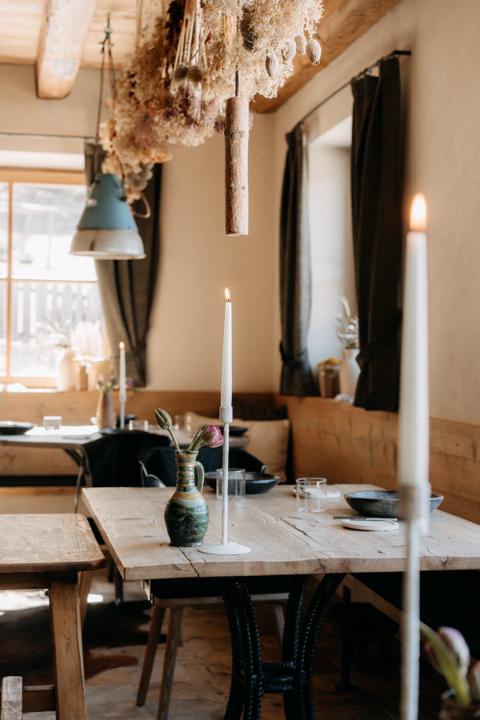
Riccardo Gaspari and Ludovica Rubbini's one-Michelin-star (plus the Green Star for sustainability). Ten tables in recycled wood, and the food comes from their own farm.
The historic pasticceria on Corso Vannucci, Perugia's main pedestrian artery, going since 1860. Frescoed ceilings, glass cases of pastry, the same families coming in three generations.
Twenty minutes by vaporetto from Fondamente Nove lands you on a long, flat island where Venice grows its vegetables: castraure (the prized baby artichokes), the local Sant'Erasmo wine, herbs, garlic, asparagus, salad. The whole island is about ten kilometres around, flat, nearly carless, mostly farms with stone wells and abandoned watchtowers. Rent a bike at Lato Azzurro (the inn near the vaporetto stop), pack a picnic from Rialto market the day before, and ride the perimeter in a slow loop. There's a small sandy beach at Punta della Vela on the lagoon side, so bring a towel. Few services on the island. Best April through October.
Marriott's Luxury Collection Mykonos, on a private peninsula jutting into Ornos Bay: 102 rooms, the Buddha-Bar Beach restaurant, and a private cove.
The Union of Santorini Cooperatives, the largest producer on the island, drawing fruit from over 1,200 grower-members. The cliff-side tasting terrace on the road from Fira to Pyrgos has the most-photographed caldera view on Santorini outside the Oia sunset rocks. The standard flights (€15–25) are honest; the Grande Reserve Assyrtiko and the Vinsanto are the bottles worth focusing on. Walk-in friendly. Touristy, and doesn't pretend not to be. Book a late-afternoon table to catch the sunset.
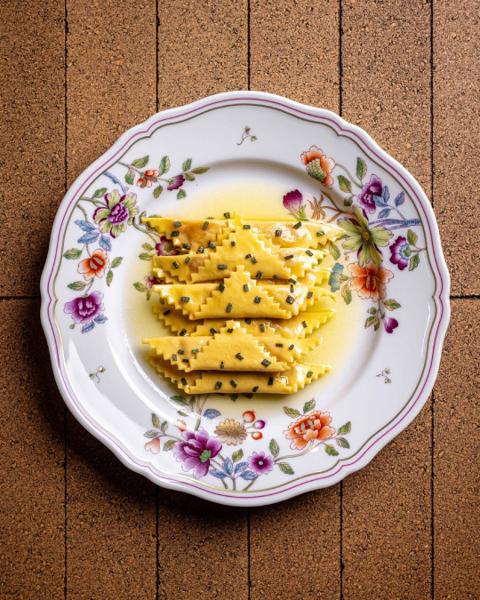
Chef Sarah Cicolini cooks Roman food out of San Giovanni, zero-waste and offal-forward.
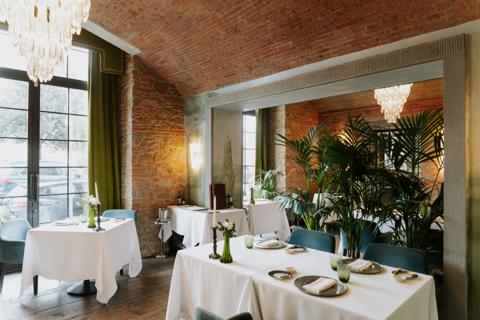
One Michelin star. Lungarno Benvenuto Cellini 63r. Chef Ariel Hagen cooks the produce grown at Borgo Santo Pietro, the Thottrup family's 300-acre organic estate in the Tuscan hills.
Set an alarm. Drive over before the tour buses and you'll have the lunar landscape to yourself for forty-five minutes. Bring water, walking shoes (the rock is sharper than it looks), and your camera. The swim coves at the base are reachable down the cracks, the water twelve metres of clear blue. Avoid noon, when it's an oven and a queue.
The white volcanic moonscape. Go at 6 a.m. or 7 p.m.; the rock throws back every bit of sun, there's no shade at all, and midday in August is both punishing and crowded. Bring water shoes, the rock is sharp.
Bouboulinas St on the waterfront: the family-run fish taverna Nafplio points to. Pick the catch off the ice; eat it whole-grilled. The other harbour restaurants are for tourists; this is the one that isn't.
On the headland between Paraga beach and Kavos lagoon: the Soho House Group-aligned beach club that's now the music-led alternative to Nammos. Mediterranean-pan-Asian kitchen, a long lunch platform, and a DJ programme (international names) that builds into a sunset set on the headland. Books out 2 weeks ahead in August. For the crowd that came for the scene, not the status.
A leather school inside the Basilica di Santa Croce, founded in 1950 by Franciscan friars and the Gori and Casini families to teach the trade to WWII orphans. Today it runs as a workshop, retail space, and informal school: visitors walk the working area, watch artisans tool leather by hand, and buy bags, belts, and stamped notebooks made on-site. Monogramming on the spot.
Reopened spring 2025 under the Caprice group, directly beneath the Kato Mili windmills, the most-photographed Mykonos Town dinner address. Charcoal-grilled fish, raw seafood platters, an outdoor terrace with the windmills above and the Little Venice rooftops below. Reserve the sunset slot; the cruise crowds clear by 7 p.m. and the room is at its best at 9.
The saw-toothed ridgeline that's the trip's photograph. Take the Ortisei–Furnes–Seceda cableway up (two cars, transfer at Furnes), walk ten minutes to the viewpoint, then carry on along the ridge as far as you like. From summer 2026 tickets are sold online in timed slots; check the current terms when you book. Book ahead. Afternoon light is better for the photo, morning better for the hike (cooler, emptier).
In the inland wine village of Pyrgos, chef George Hatzigiannakis has cooked from Santorinian ingredients for thirty years: fava in three textures, sun-dried tomatoes from Mesa Gonia, capers from Akrotiri. The wine list is deepest in Assyrtiko. Book a month ahead in summer.
A 60-room boutique on the Rohari hill above Mykonos Town: Greek-family-run, the Semeli Group's flagship.
The coast's signature hike. Seven kilometers of clifftop trail, mostly downhill if you start in Bomerano, with views across the entire coast that no road can match. Three to four hours at a slow pace. End in Nocelle, take the bus down, swim. Best mid-morning, after the first wave of group hikers and before the heat.
The trail that connects Maiori and Minori through working lemon groves. Quieter than the Path of the Gods, and the more direct route into how the region grows its food. Stone-walled terraces, some 800 years old.
A 15th-century Venetian townhouse on a quiet Old Town lane: seven rooms, hand-restored details (exposed beams, sandstone walls), a small rooftop.
Argostoli, Kefalonia: the Patsi family bakery since 1890, now in its fourth generation. The famous mandoles (red candied almonds) are still made with the original post-WWII baking-pan method, and the tsoureki (Easter bread) is the textbook. Morning stop on the Robola wine drive.
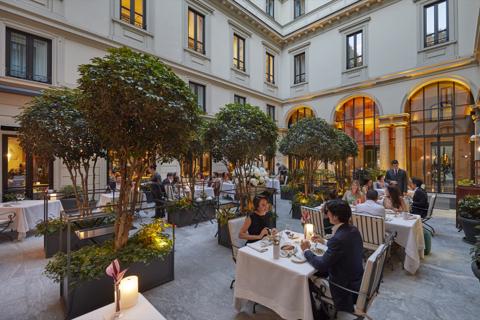
Two Michelin stars, inside the Mandarin Oriental on Via Andegari just off Brera. Chef Antonio Guida's project since the hotel opened in 2015. Quiet, precise, and booked six weeks ahead.
In Matera, in Basilicata rather than Puglia, an hour from the Itria Valley. Eighteen rooms carved into the UNESCO Sassi, candlelit, unplugged.
The stretch of Via del Governo Vecchio between Campo de' Fiori and Piazza Navona rewards an unhurried hour: vintage shops, independent bookstores, a few good ceramics dealers. Walk the side streets too.
A small family-run fish restaurant on the Parikia waterfront, the boats mooring offshore. Ask what came in that morning; the menu is short and changes daily. Reserve a day ahead in season.
An intimate dining room in the centre of Macerata. Chef Michele Biagiola cooks Marche cuisine through a foraged, vegetable-first lens: wild herbs, fermentations, dishes plated by the chef himself.
Cesare Battisti's NoLo bistro (with partner Vladimiro Poma), on Gambero Rosso's 2026 Tre Tavole list, one of only 13 establishments nationwide. Sister to Battisti's Ratanà, which holds Tre Gamberi for traditional osterie: a deliberate dual-award double-play.
A late-19th-century grand hotel on the southern wall of Perugia, with a glass-floor pool over Etruscan ruins and a view across the Umbrian valley.
A modern Greek seafood room in Xifara, on the coastal road between Naoussa and Santa Maria beach, 3 km east of Naoussa. The long beach lunch the Naoussa hotel crowd cabs over for; the kitchen leans contemporary on Cycladic ingredients (red shrimp from Mazara, sea-urchin spaghetti when in season, fava with capers). Open Easter through October, daily 1:30 p.m. to midnight. Reserve the table closest to the water.
Vathy: chef Nikos Kostopoulos's modern-Greek and seafood restaurant. Seasonal · May 1 – October 15.
Sirmione sits on a peninsula in southern Lake Garda over a natural sulphur hot spring, Roman-era thermal water bubbling up at 69°C. The Aquaria spa spreads it across pools at several temperatures, with lake views. Open year-round; the evening sessions are the ones to book (lake under stars, fewer people, romantic). Combine with the Roman ruins at Grotte di Catullo at the tip of the peninsula.
The volcanic-sand oven taverna at Paleochori beach: they cook the gigantes, the lamb, and the moussaka in clay pots buried in the geothermally-heated sand. Lunch only, after the swim.
Six Senses opened inside the Palazzo Salviati Cesi Mellini in 2023: 96 rooms, a Roman-bath spa and the NOTOS rooftop.
A 20-minute downhill walk from the Imerovigli main square to the abandoned medieval Venetian fortress on the Skaros sea-stack: the path drops down the cliff face, hugs the rock, and ends at the tiny whitewashed chapel of Theoskepasti out on the point. The climb back up is the only argument against it. Best at golden hour, 5 to 6 p.m., when the low light on the sea-stack outdoes the caldera sunset everyone else is shooting.
Seven stone villas on a slope above the sea, among olive trees, lavender and thyme, over the fishing village of Skinopi. No spa and no restaurant; the villa, the cove below, and silence.
A two-hour guided snowshoe trek through powder-deep larch forest and silent meadows from Pederü, ending at Rifugio Fanes (same valley network as Lavarella, a slightly different hut). Strudel, schnapps, sometimes a full Ladin lunch. Equipment rental from €15, guided tours from €60. Book the lunch and the hut ahead (the rifugio takes overnight stays too). The winter outing to do here if you don't ski.
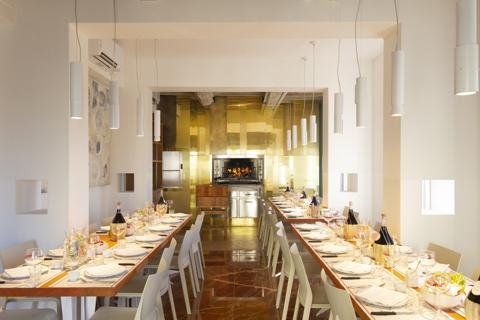
Dario Cecchini's sit-down restaurant in Panzano.
A 14th-century village Cucinelli has spent 40 years restoring as a working 'humanistic capitalism' project: a Renaissance theatre, the Forum of the Arts, a philosophers' garden, and the flagship boutique inside a restored palazzo. Walkable in an hour. Free to visit; ask at the boutique about a tour of the theatre and library.
A thirteen-room boutique on Oltrarno's antique-dealer street, no two rooms alike.
A tiny back-alley restaurant in Naoussa: chef-owner Kalypso Sifnaiou ("Soso") in a room small enough that the open kitchen and the dining floor are basically the same space, her husband Petros at the door. Fusion Greek with global ingredients, done with restraint: lamb shank in lemon sauce, pork fillet in mustard, careful portions. Every chair, table, and light in the room handmade by Petros. Reserve a week ahead in August; in shoulder season a few days will do.
A pebbled cove under the Monte Conero cliff, 20 minutes south of Ancona. The water is the clearest on the Adriatic: chalk-cliff turquoise, almost Mediterranean blue. Park up top, walk down. Bring water. Lunch at one of the beach trattorias. Closed in winter, perfect in June and September.
A sea-cave restaurant in the Agia Anna cove next to Kalafatis on the east coast: tables on a platform built into the rocks, the Aegean two metres below. Seafood-led, half-day-into-evening service. Speedboats moor offshore for the long lunch, and the road approach is signposted from Kalafatis. The most-photographed lunch table on the island after Nammos.
The Venetian island-fortress off Plaka in the east, a leper colony from 1903 to 1957 (the Victoria Hislop novel is set here). A 20-minute boat from the Plaka jetty or the Elounda waterfront, and 90 minutes on the island. A surprisingly moving half-day.
Six suites inside a 600-year-old Crusader-and-Ottoman building in the Rhodes Old Town: vaulted stone ceilings, antique-and-restored detail, a small courtyard.
Athens's longest-running Michelin restaurant, opened 1996 in a Pangrati townhouse by Apostolos Trastelis, the first Greek restaurant to receive a Michelin star (2002). Held two stars from 2008 (under Arnaud Bignon) until 2022, one star now. Classical French technique on Greek ingredients, courtyard tables in summer, jackets at dinner. Book a month ahead.
One of the few working squeri left in the city, where they still build and repair gondolas by hand using techniques unchanged since the 16th century. You can't go inside, it's a working workshop, but you can stand on the opposite bank of the Rio di San Trovaso and watch the masters at it. Each gondola takes about 500 hours to build, weighs 700 kg, and uses eight different woods. Best in the morning, on a weekday.
Gold-ground mosaics inside a Byzantine Greek-cross plan. The bronze horses in the upper loggia were looted from Constantinople in 1204; the originals are inside, the outdoor ones copies. The Pala d'Oro, a gold-and-enamel altarpiece, gemstones, costs €5 extra. Pay it. Pre-book the €6 priority entry online or you'll queue an hour. No bags, no shoulders, no shorts.
There is a lift. There is always a queue. The view at the top is exactly the one you've seen a thousand times, and it's still one to see once: the terracotta roofs and the lagoon. The bells still ring, so wear earplugs if you go on the hour. Book the first slot at 9:30 a.m. and skip the worst of the line.
Gilford 59, Corfu Old Town: the morning institution for spanakopita (€2.50, the homemade phyllo is the giveaway) and a shakerato coffee people cross town for. Eat one standing at the counter, then walk on.
Renzo Piano's 2016 complex on the south edge of Athens: the National Library, the Greek National Opera, and a 170,000 m² park that climbs to a green-roofed lookout over the Saronic Gulf. The grounds are free; the opera and library need event tickets. Time it for a summer-Thursday outdoor film, a Sunday-morning yoga session on the lawn, or dinner at Delta on the roof.
A seafood osteria in the Marina quarter. A small osteria on Via Sardegna in the Marina quarter, a few minutes from the port.
Two narrow streets in Bari Vecchia where local women, most over 60, sit at folding tables outside their doors shaping orecchiette and cavatelli by hand with a knife. They've done it for decades. Watch from a polite distance, buy a bag (€5–8 of fresh pasta), don't photograph without asking, and don't film TikToks. These are people's homes. Mornings, before noon.
A 35-room small hotel on the Sivota harbour in southern Lefkada: family-run, and it books the boat for a Captain's Corner dinner. Lefkada's south-coast loop runs from here: Porto Katsiki, Egremni by boat, Vasiliki.
On Rovertou Galli at the foot of the Acropolis since 1975, and the rooftop with the unobstructed Parthenon view. Classical Greek cooking: lamb chops, mixed grill, fresh seafood. Reserve the rooftop for the Parthenon view at sunset.
A volcano in near-continuous activity, in persistent strombolian activity. The hike up to 400 m (the Sciara del Fuoco viewpoint, where the lava streams visibly down the north slope into the sea) is the standard climb: leave around 4 p.m., reach it at sunset, watch the eruptions in the dark, headlamps for the descent. The summit is off-limits: free ascent stops at 290 m, and 400 m with an authorised guide. The Sentiero Natura is closed. Confirm with a Stromboli-based guide on arrival.
The Marina-quarter trattoria where the porceddu (suckling pig) is the order: fixed menu, family-run, decades old.
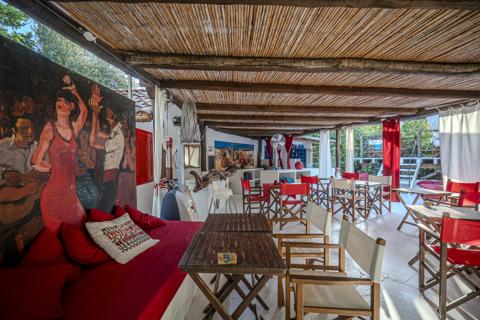
Attached to the Palimodde family's hotel of the same name. A Michelin Bib Gourmand, open since 1967, three generations of women running it, the porceddu cooked over the open fire in the dining room.
A hand-painted, hand-embroidered, three-generations-of-women-run destination hotel in the foothills of the Supramonte: every wall a piece of Sardinian craft, every door a different artist.
The finest and most complete example of this form of prehistoric architecture, per UNESCO: a Bronze-Age stone fortress of the late 2nd millennium BC, its central tower originally about 19 m, four subsidiary towers, and a village of circular dwellings outside the walls. Sardinia's defining cultural site, and the one to see if you see only one. Guided tours only; book ahead in summer.
The half-day-into-evening catamaran trip, out of Vlychada port (cheaper, quieter) or Ammoudi at the base of Oia (dearer, more scenic). A five-hour loop around the caldera, swim stops at the Red Beach cove and White Beach (both unreachable from land), and sunset under the Oia cliffs from the water. Most boats feed you dinner on board. Book the small-group operators (max 16 passengers) and skip the 50-person megaboats.
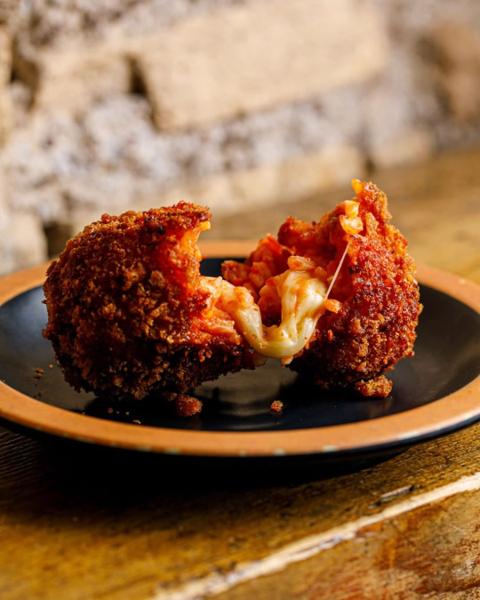
Arcangelo Dandini's supplì shop on Via dei Banchi Vecchi, in Regola near Campo de' Fiori.
A 19th-century wheat-baronial estate in the Madonie mountains, two hours inland from Palermo: the slow, secret Sicily that gets none of the press.
A small Venetian-owned operation two minutes from Rialto with a list that rotates weekly. The signature is the "Manet".
Combined on most Kleftiko routes: a half-collapsed sea-cave you swim into, daylight pouring through the open roof, and the bright-yellow sulphur cliffs above it. Both are why you take the small boat, not the big one.
The 50–90-min ferry from Rhodes harbour to Symi Yialos, the defining Dodecanese boat. Take an early ferry (~9 a.m.), stay the night, ferry back the next afternoon. The harbour at dusk, after the day-trippers have left, is the unsold experience the page is built around.
At Panormitis bay on Symi's south coast, a 25-minute drive from Yialos: an 18th-century monastery dedicated to the Archangel Michael. The chapel has a gold-and-silver-leaf wall. Boats arrive here on some Rhodes day-tour.
The Symi walk that matters: 500 stone steps from Yialos harbour up to Chorio at the top. 30 minutes up, 20 down, an hour more to wander the medieval Chorio and come back. The Olive Tree up top is the breakfast-or-lunch reward, and sunset from there is the Symi-harbour photograph everyone's after.
Staikopoulou St in the Old Town, recently refreshed without losing the room: the courtyard under the bougainvillea, slow-cooked rabbit, lamb in lemon, the regional cheese platter. The Nafplio dinner that lands every time.
Greece's most decorated specialty coffee roaster, opened 2009 by Yiannis Taloumis, with head barista Stefanos Domatiotis taking the 2014 World Brewers Cup. Single-origin pour-overs, espresso pulled correctly, a weekly rotating menu. The Athens specialty-coffee benchmark; several locations, and the original is in the centre near Omonia.
A Koukaki bakery on Misaraliotou St, family-run by the Papadopoulos family since 1971, now third generation, and the breakfast move if you're staying in the neighbourhood. Ladenia (flatbread with tomato, onion, oregano), spinach pies, walnut bread. Eat it standing at the counter, the way the regulars do. €2–4 a thing; cash easier than card.
Zampeliou 49, inside a former Venetian-Ottoman hammam: Greek-Eastern Mediterranean cooking since 1982 in one of the better-looking rooms in the Old Town. Stuffed vegetables, ottoman-spiced lamb, mezedes done with care. Book Fri–Sun.
Georgiou Leontos 1, Old Town: Greek-Eastern Mediterranean fusion in a room that nods to the chain's Ottoman past. Note: it shares the name with the Chania (Crete) room but is unrelated.
The Fiscardo institution since 1972: Tassia Dendrinou's harbourfront kitchen, the Kefalonian fish-stew the photographers come for, an excellent Robola-led wine list. Yacht crews book ahead; do the same.
Agni Bay, north-east Corfu: one of three waterfront tavernas in the cove (Toula's and Nikolas the other two), this one the longest-running. The catch grilled on charcoal, the salads from the gardens above. Arrive by boat from Kassiopi or Kalami.
Apiranthos, the marble-paved mountain village. Lefteris does the local goat rosto (slow-cooked in red wine), the home-made cheese is where you start, and the terrace has the classic inland view. Lunch only in shoulder season.
A 3rd-century-BC Greek theatre carved into the cliff, Etna framed in the missing back wall, the Ionian below. Still a working venue (the Taormina Film Festival in July, classical concerts all summer). Visit at golden hour, an hour before sunset. Buy tickets online to skip the line; the on-site queue can run 45 minutes in season.
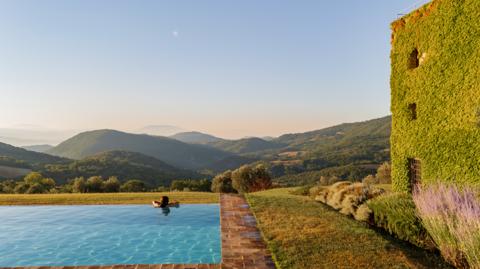
A 600-hectare private estate owned by the same family for centuries, 20 minutes from Perugia. Restored Renaissance farmhouses turned into freestanding villas with private pools, a Michelin-Key resort spread across the estate rather than gathered into one building.
An organic buffalo farm producing mozzarella di bufala on site. Tour the dairy, see the buffalo, watch the cheese being made, eat it within an hour of production. Pair with the Greek temples at Paestum next door.
The best-known restaurant on Tinos: chef-owner Antonia Zarpa's platform of tables set a metre from the Aegean in the quiet north-coast bay of Ormos Isternion (speedboats come over from Mykonos for lunch, which is the reputation). The seafood is the headline, but the Tinian vegetable dishes are the surprise: wild artichokes, fava with capers, courgette flowers stuffed with myzithra. Reserve the water-edge table (you'll get splashed, part of the deal) and order the pairing menu.
Vivilaki 35, in the Tabakaria district: a beachfront fish taverna built among the abandoned 19th-century tanneries, with sunset behind the Venetian lighthouse. The sea-urchin salad, the catch grilled simply, the cab back to the Old Town after.
A Phoenician city, later Roman, on a peninsula above two beaches: temples, tombs, a still-standing forum, and one of the better places on the island to feel the layered Mediterranean history without a crowd. Pair it with the Cabras civic archaeology museum nearby, which holds six of the Mont'e Prama giants (Nuragic 6.5-foot stone warriors dug up in 1974). A long lunch on Tharros's San Giovanni beach after.
Opens at 8 a.m., and the first hour is the only one worth being there for: the cruise crowds land off the 9 a.m. shuttles, the sun goes direct by 10, and the limestone is at 40°C by noon. Buy the timed ticket online a day ahead (€20 single-monument, €30 combo with the Agora, Kerameikos, Hadrian's Library, Olympieion). Enter from the south slope, leave from the north onto the Acropolis Museum walk. One hour, max.
Between Monopoli, Fasano, and Ostuni, the back roads cross fields of olive trees 1,000 to 3,000 years old: gnarled, monumental, protected by regional law. Some carry plaques. Drive slowly with the windows down, ideally an hour before sunset, when the light turns the trunks copper. There's no stop to reach; the driving is the whole of it.
A high-mountain trio in the interior: Stemnitsa
A hedge-framed keyhole at the gates of the Knights of Malta frames the dome of St. Peter's exactly: centered, composed, surreal. No ticket, no museum, and on a good morning no queue. It costs nothing, which feels like an oversight.
A small boutique on Corfu's north-east coast at San Stefano (Sinies): eight rooms and a restaurant directly on the beach, on the Durrell stretch of the island. Walk to Kassiopi for the Old-Port dinners.
Three islands in the middle of Lake Maggiore, ten minutes from Stresa by public boat. Isola Bella is the one most people go to: the Borromeo family's 17th-century palazzo with terraced baroque gardens, statuary, and the original peacock walk. Isola Madre has the older botanical gardens. Isola dei Pescatori is a working fishing village of fifty people; eat the lake-fish lunch at one of the trattorias on the only street.
The Venetians' own bar-walk. Start at Al Timon (boat seating on the canal), drift two doors to Vino Vero (natural wine), then back across to Paradiso Perduto for the late shift. The whole strip, about 600 metres, runs along the Fondamenta della Misericordia. Order a glass of Raboso, a few cicchetti, and move on. Just keep walking. Best Thursday to Saturday from 6 p.m.
A third-generation family fish taverna on Akrotiri beach: the boats moor a few metres from the tables, the catch is whatever came in that morning, the room is shaded with bamboo. Pair it with the Akrotiri site visit (a 5-minute drive). Cash and card both fine; lunch is when the room is alive.
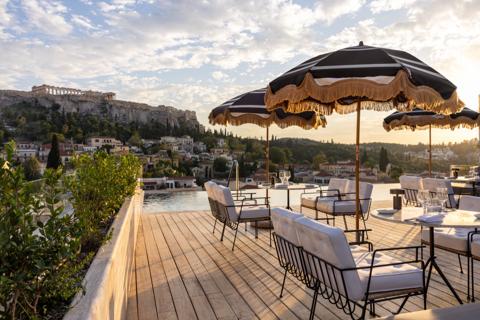
A 46-room Grecotel luxury opened 2023 on the Plaka edge: the most-talked-about new opening in central Athens, with a rooftop facing the Acropolis straight on.
The 4-km walk along the Corfu NE-coast headlands from Kalami
Three churches contain six Caravaggios between them, with no tickets and no timed entry. San Luigi dei Francesi has the Matthew cycle in three canvases. The Cerasi Chapel in Santa Maria del Popolo has the Conversion of Saul and the Crucifixion of Peter. Sant'Agostino has the Madonna di Loreto. All free, and all signposted inside the churches.
A 1525 palazzo built as the residence of Doge Andrea Gritti, with a terrace on the front row of the Grand Canal and Santa Maria della Salute directly opposite.
The hilltop terrace at Bohali above Zakynthos Town: view dinner, fresh fish, the sunset that frames the bay and the Peloponnese in the distance. View first, food second, in that order.
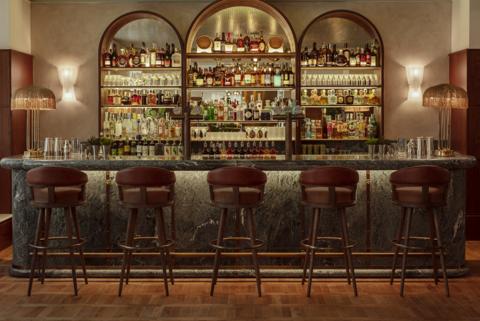
192 bedrooms in Parioli: parquet floors, statement headboards, brass lighting, mid-century Italian references. Elio and Cugino on site. Style on a sensible budget.
Europe's first ghetto was established here on 29 March 1516, when the Venetian Republic confined the Jewish community to this small island in Cannaregio, gated and locked at night. Five synagogues remain, and the museum tour is the only way to see the interiors. The square is quiet, residential, and one of the few places in Venice where the city's complicated history is laid bare. The bakery on the campo (Volpe) still makes traditional Venetian-Jewish pastries.
Two unfinished 6th-century-BC marble giants left lying in their quarries when they cracked during carving: one near Apollonas in the north (10 m, the bigger), one at Flerio near Melanes (closer to Chora, 6 m, more reachable). Eerie, free, ten minutes each. Pair Apollonas with the north-coast drive.
Leonardo's 1495–98 mural, in its original refectory wall. Fifteen-minute timed slots, 40 visitors maximum, climate-controlled entry. Tickets are released quarterly on announced dates; check the release calendar at cenacolovinciano.org.
Ten-room boutique at the base of the Kali Strata, in a Greek National Monument-listed 19th-century commercial building: restored and slow. The rooftop Agora restaurant opened in 2023.
At the top of the Kali Strata (the 500-step stone staircase from Yialos to Chora): English-run, breakfast-and-lunch only, 8:30 a.m. – 3:30 p.m. The reward for the climb. Excellent shakshuka and a small Greek-island wine list by the glass. Daytime only; closed for dinner.
Now requires a timed ticket booked online; there are no walk-ups. Go early, before the tour groups. The oculus has been doing the same job for 2,000 years.
Above Piazza del Popolo, the Pincian Hill terrace gives a north-facing panorama over the piazza and the rooftops. Walk up through Villa Borghese from the north entrance. Bring something to drink.
The Athenian Riviera is a tram ride, not a tour. Start at Lake Vouliagmeni, a brackish thermal lake that holds 22–29°C year-round, NATURA 2000-protected, with Garra Rufa nibbling your ankles (€16 weekday, €19 weekend). Give the afternoon to Astir Beach, the organised cove in front of the Four Seasons, where the 6th-century-BC Temple of Apollo Zoster sits right on the sand (€17 weekday, €19 weekend in 2026). If the evening’s open, push an hour further south to Cape Sounion for the Temple of Poseidon at sunset. Getting there: tram T6 from Syntagma, change to T7 at Pikrodafni for the coast (€1.40, 90 minutes). Tram, not taxi.
The original Costa Navarino hotel: Luxury Collection brand, the Armyra by Papaioannou kitchen on-site, and the Anazoe Spa next door (covering all four hotels).
The full skiable circuit around the Sella massif: four high passes (Gardena, Sella, Pordoi, Campolongo), four valleys (Val Gardena, Alta Badia, Arabba, Val di Fassa), 26 km of skiing in one day. Pick a direction (orange clockwise or green counterclockwise) and start by 9 a.m.; if you're not back at your starting lift by 3:30 p.m., you'll be sleeping in another valley. Intermediate level, all blue and red runs, no blacks required. The Dolomiti Superski pass gets you the whole network.
The wine road running south from Florence through the Chianti hills to Siena. Stop in Panzano (Dario Cecchini's butcher), Greve (Tuesday market), and Radda (enoteca in the main piazza). Cypress alleys, stone farmhouses, harvest signs in September.
Where there's no bridge, locals cross the Grand Canal standing up in a stripped-down gondola called a traghetto. Two euros, two minutes, and you're over, mostly used to skip a fifteen-minute walk to the nearest bridge. The Santa Sofia crossing (near Rialto Market) and the San Tomà crossing still run most mornings. Cash only, exact change appreciated.
Seven design suites at the highest point of the Imerovigli ridge, near the Agios Nikolaos monastery.
Kremasti Square in the Old Town, around the only 17th-century well still in its original position: fine dining in a tiny cobbled square, a tasting menu that reads Italian into Corfiot ingredients, the sommelier list the city is built around. The Old Town splurge.
Palazzo Ca' da Mosto, overlooking Rialto from the Cannaregio side, redone by Alessandro and Francesca Gallo (founders of Golden Goose) in a maximalist "Post-Venetian" style: neon, layered antiques, brutalist concrete next to gilded mirrors.
In Tripiti, the spot where the Venus was dug up in 1820 (the statue's in the Louvre; the marker's what's here). Pair it with the early-Christian Catacombs and the small ancient theatre just below. An hour, late afternoon, when the light is low.
The same two islets as the boat trip, except you're the one driving.
Thespidos 18, a pedestrian alley directly under the Acropolis rock: opened 1979, named for the 6th-century-BC inventor of Greek tragedy. The kitchen handles swordfish skewers, mussels, crab and whole fish from the morning boat. Reserve the outdoor tables.
On the edge of Yialos harbour walking out toward Charani (not Pedi; Taverna Tolis is the Pedi one), a quiet fish-and-mezze room with a long-view-down-the-harbour terrace. Sunset lands on the pastel mansions. Ask what fish came in that day.
A prehistoric Nuragic village built inside the collapsed crater of Monte Tiscali: stone dwellings standing in a hollowed-out mountain cave, hidden so well from Roman patrols that the locals held it for centuries after the rest of Sardinia fell. A two-hour rocky hike each way through the Lanaittu Valley to reach it, scrambling over limestone in the last stretch. The whole thing is Indiana-Jones-coded. Pair with a night at Su Gologone.
Chef Graziano Prest's one-Michelin-star: Cortina's other star, and the older one. Seafood from Venice and Chioggia, daily, in the mountains.
A Cretan-coffee place at the quiet northern edge of Imerovigli, family-run and open early, with a free view of the caldera, a correctly bitter freddo cappuccino, and loukoumades hot in mountain-thyme honey. Go early for a freddo on the small terrace; the room fills on cruise-ship mornings.
The Chora dinner Naxians book before the tourists arrive: a small, family-run room since 2008, a short menu, the rooster-with-hilopites and the lamb in lemon the orders. You will need to reserve.
Eleni Theodorou's wine-shop-turned-taverna in an 1812 Tinos Town stone building: two arched rooms with dried peppers and copper pots hanging from the ceiling, cooking country-Tinian: stuffed cabbage leaves, rabbit stew, the Tinos omelette with louza (local cured pork) and Tinian sausage. The emblematic dishes are the historic tripe soup and the fish soup; order one. The room fills with Tinos regulars from Sunday afternoon.
Daskalogianni 33, centre of Chania: daily-changing seafood, you pick the fish off the ice at the door, the room full of regulars. Closed Sundays. Cash easier than card.
An Old Town ouzeri: family-run, the small-plates-and-ouzo room for the slow late-afternoon stop between the Palace of the Grand Masters and dinner. Pitaroudia (the Rhodian chickpea fritter), local cheeses, wine by the carafe.
The town gyros, and the late-night that closes the trip out. On Sokratous Papavasiliou; cash, no reservations, eat standing. A €4 chicken gyro that beats most restaurants twice its price.
The Parikia waterfront grill house near the post office: counter service, twenty seats outside, and a 1 p.m. queue that works as the review. Meat grilled in front of you, pita wrapped warm with the right ratio of tzatziki to lemon to tomato, the bill around €5. The cheap Parikia lunch; the second branch in Naoussa is the same kitchen at the same prices with less harbour view.
Defkalionos 5, Chania Old Town: Stelios and Zeta's organic vegetarian-and-vegan Cretan kitchen, no set menu (the day's plates come from the morning's market and farm). A Travelers' Choice 2025 pick. Closed Sundays.
Settled long before Venice and largely abandoned by the 12th century, to malaria, silting, then plague. The Cathedral of Santa Maria Assunta (founded 639) holds a Byzantine Last Judgement mosaic on its west wall that's as terrifying now as it was a thousand years ago. Climb the bell tower for the view across to the Adriatic. The island is largely uninhabited. Twenty minutes from Burano on the vaporetto.
A 1,200-hectare protected marine and wetland reserve with a beach kept clean by the terms of the reserve and trails through Mediterranean macchia and old olive groves. The water stays unspoiled because it has to: no roads, no car parks, no lidos near the beach. You walk in fifteen minutes from the visitor centre. Bring water. The bike rental at the gate is a good shout.
Venice's specialty coffee roaster: beans roasted on the premises, on a quiet canal in Cannaregio. The barista knows exactly what she's doing.
Agni Bay, NE coast: the second of the three Agni-Bay waterfront tavernas, in a converted 1890 olive press, run by Toula since 1981. The lobster is the house specialty (€90, served simply with oil, lemon, steamed vegetables); the room is the slow-Sunday-lunch on the boat day.
Triangular pizza pockets stuffed with Roman classics. Handheld, hot, always hits.
A 1970s neighbourhood trattoria slightly off the tourist track in Olivuzza, a long-Sunday-lunch trattoria.
A San Polo seafood hideout, with a sign at the door that reads "no pizza, no lasagna, no tourist menu." That's exactly the energy.
A husband-and-wife trattoria on a quiet Dorsoduro campo: Venetian, Friulian, and Sardinian cooking, all done at home and served outside under the church wall.
A Politeama family trattoria: the Biondo family have been restaurateurs since the 1960s, current trattoria founded 1998 by Benedetto Biondo. Daily seasonal specials and Sicilian classics, packed with Palermitani.
An Oltrarno institution on Borgo San Jacopo, run by the same family since 1945.
A family-run trattoria opposite the historic Macello slaughterhouse, open since 1928 and argued about across the city. The Traversone family has run it since 1959; the cotoletta is bone-in and thick-cut.
A seaside trattoria in the fishing village of Brucoli, exactly between Catania and Syracuse, a stop on the drive south with a seafront terrace and fish off the boat that morning.
The eccentric, slightly bohemian one in Ortigia: mismatched tablecloths, antique dolls on the wall, a hand-painted chalkboard menu, and a kitchen that has cooked from local ingredients for decades.
A cave-walled trattoria in the centre of Orvieto, family-run since the 1960s. The menu is one page. The truffle pasta and the pigeon are the orders.
Lecce home cooking. An unmarked door on a quiet street, a small family-run dining room, and a menu that has not chased a single trend.
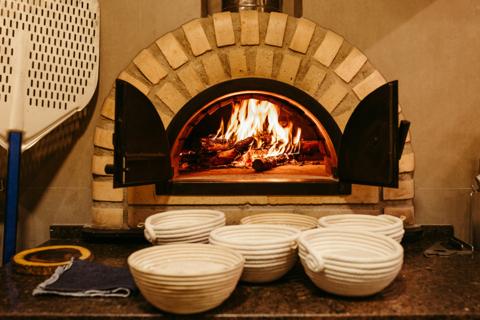
Homestyle Salento cooking in a plain room, done properly.
Family-run since the early 1900s, a few minutes from the Piazza del Comune in Assisi. Vaulted stone room, handwritten chalkboard menu, the Pallotta family still cooking and serving.
A modern Ostiense trattoria: sweetbreads over a seasonal vegetable cream alongside rigatoni alla gricia.
Family-run since 1951 in Borgo Vecchio market, the trattoria Anthony Bourdain put on his short list of Sicilian benchmarks, still entirely deserved.
A pasta-and-fish trattoria on Via Cavour in Ortigia. No reservations; tiny dining room; one of the red shrimp pastas on the island.
Same room, same menu, same butter chicken since 1869.
The signature Dolomites hike. Ten kilometres around the three limestone spires (Cima Grande, Cima Ovest, Cima Piccola) at around 2,300 metres, four to five hours at a normal pace, moderate but not technical. The toll road from Misurina up to Rifugio Auronzo costs €40 a car (2026 municipal tariff); check the Comune di Auronzo for the season dates and whether booking is required before you drive up. Go counterclockwise, which saves the long view for your final approach. Lunch at Rifugio Auronzo or Rifugio Locatelli mid-loop. Start by 9 a.m. to beat the bus tours coming up from Cortina.
Behind the central square in Vathy, Ithaca: open 40+ years, the quiet favourite of the local-and-yacht crowd, the goat kleftiko, slow-baked in paper, is the dish.
A modest, affordable seafood taverna on the Skala waterfront: the casual second-night dinner after a Benetos or Vegghera splurge. Local fish, the Patmos-favourite aubergine in oil, retsina from the carafe.
Diego Rossi and Pietro Caroli's nose-to-tail trattoria has been sold out every single night for years. Cucina povera with real technique; menu chalked on a board; natural wine list to order from.
Acqualagna holds an international white-truffle fair each autumn and runs a truffle exchange and museum. A morning hunt with a local trifulau and his dog runs 2–3 hours through the oak forest, ending with a tasting; whether the hunt turns anything up depends on the day and the season. Several outfits in town run them; book through Acqualagna's tourism office. White-truffle season is October–December; black truffles year-round.
Giulio and his dog Edda run small-group truffle hunts in the wooded hills outside Florence: white truffles in autumn and winter, black in summer. The hunt is about three hours through the forest, and the morning ends with a multi-course truffle lunch at his family farmhouse, estate wine and olive oil included. Rain or shine.
Plateia Kavadia, in a Tselentis-family building since 1893: the more Italian-leaning Fiscardo classic, pasta-and-seafood, slow harbour-side lunches. The Fiscardo lunch that pairs with Tassia for dinner.
The cult swim, reached by a near-vertical wooden ladder + rope down a fissure in the cliff. Small turquoise cove, no facilities, no service. If you're not steady, skip it; the drone shot isn't worth the ankle.
Seventh floor of the King George (Luxury Collection) on Syntagma, chef Nikos Livadias's one-Michelin-star kitchen (the star has held since 2023). The view is the floodlit Acropolis directly across, framed by the terrace columns: the high-end view dinner where you don't give up the food to get it. Booked weeks ahead for the terrace; the dining room is the back-up.
Monopoli's harbor-side wine bar, in the centro storico. Small inside, perfect outside, the table you want is the one facing the boats.
Botticelli's Birth of Venus and Primavera are here, and so is everything else: Caravaggio, Titian, Raphael, Michelangelo drawings. Two hours minimum, four if you're thorough. Book the 8 a.m. slot and have the first rooms to yourself before the tour groups arrive at 9:30.
Three Michelin stars on the molo di levante in Senigallia. Mauro and Catia Uliassi have been running it since 1990, and the food is Adriatic cooking at full stretch: exact, modern, anchored.
The terrace bar at the top of Plaka (Milos's medieval hilltop town and original capital): a black-and-white checkered cliff-edge perch with the full panoramic west view, the Aegean and surrounding islands in front and the village quiet at your back. The Mai Tai is the house pick, jazz on the speakers, the sunset show starting 7:45 in high summer (arrive 6 p.m. for a front-row table). The sundown spot on Milos; closed Nov–April.
Pienza is a Renaissance town built to order by Pope Pius II in the 1460s, an urban-planning experiment in miniature ringed by a UNESCO-protected landscape. Drive the Strada della Bonifica for the cypress-lined hill views, then go to Montalcino for Brunello from small producers: Poggio di Sotto, Cerbaiona, Ciacci Piccolomini.
A protected oriental-sweetgum (storax) woodland 25 km south-west of Rhodes Town, and the one place in Europe where the Jersey Tiger moth ( Euplagia quadripunctaria
Doric temples along a ridge facing the sea, raised from the late 6th century BC. The Temple of Concordia is the one to see, almost intact and almost 2,500 years old. Go at 7 a.m. for the heat and the empty olive groves, or at sunset for the golden hour. The Garden of the Kolymbethra, run by FAI, is a separate ticket, for the orange-grove walk below the temples.
€9.50 and about forty-five minutes down the Grand Canal. The #1 is the slow boat: it stops at every landing between Piazzale Roma and San Marco.
Chef Lefteris Lazarou's seafood room on Mikrolimano harbour in Piraeus. Lazarou was the first Greek chef ever to hold a Michelin star (2002, at the original Varoulko). He held it for more than two decades, then dropped to Main Selection in the 2024 Guide. The whole catch is from that morning, and the room is glass-walled and over the water. Cab from central Athens (25 min), or pair it with the new Piraeus tram line.
Loggos harbour: the family-run waterfront taverna the Loggos regulars book. Grilled fish, the local strapatsada (eggs and tomato), olive oil from the family grove. The Loggos lunch.
The third Fiscardo harbour-front classic: the easiest walk-in of the three, the wider mezze platter, the long-lunch room.
A Naoussa cocktail bar with a happy hour the rest of the island envies: €7 cocktails between 6.30 and 8.30 p.m. (the name "7 Bar" comes from the price). Mixed crowd, garden seating, the natural warm-up before dinner at Mario or Yemeni. Walk-in friendly; later in the night the room ramps up.
Marriott's Luxury Collection on Santorini: a converted 400-year-old village in Megalochori, away from the caldera crowds.
On the Skala marina: twelve tables and modern Greek fine dining. Seasonal; reserve ahead.
The first industrial winery built on Santorini (1947): a multi-level cave cellar dug into the cliff above the old Athinios port, gravity-fed winemaking, a sun-deck terrace cantilevered out over the caldera. The Venetsanos family ran it until 2004; the family's third generation restored and reopened it in 2014. The wine is solid (the Assyrtiko and Nykteri are the orders); the architecture and the view are why you come. Book a sundown flight.
On Mazzorbo off Burano, a one-Michelin-star restaurant inside a walled vineyard, with rooms attached.
The 1st-century Roman amphitheatre stages a summer opera season (June–September) in its original tiered seating, with a festival capacity of roughly 13,000 to 15,000 and the stage rebuilt each year. Train from Desenzano del Garda (35 min) or direct from Milan (1h 10). Wear closed shoes for the stone steps, and bring a cushion.
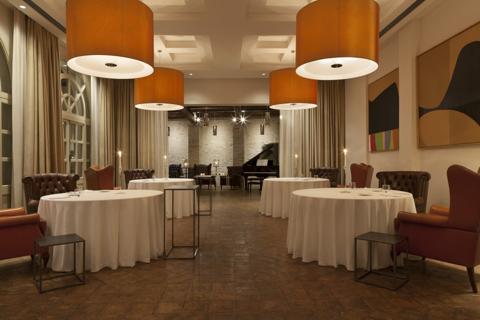
One Michelin star plus a Michelin Green Star, inside Palazzo Seneca in Norcia. The Bianconi family has been running hotels here for five generations; the kitchen is led by head chef Fabio Cappiello, a veteran of the Bianconi family's kitchens for over fifteen years.
The 'spur' of Italy's boot: a forested mountain peninsula almost nobody puts on a first Puglia trip, which is exactly the argument for it. Vieste is the main town: white limestone, dramatic cliffs, the Pizzomunno monolith. Drive the coast road to Peschici and stop at the trabucchi (wooden fishing platforms on stilts) for lunch. Two days minimum if you go, and skip the Gargano altogether if your whole Italy trip is only a week. The spur's geography makes it an impractical add-on for short itineraries; it pays off on 10-day-plus trips with Puglia as the centrepiece.
Vietri is the ceramic town of the Amalfi Coast; the brightly painted tiles on every dome and stair riser are made here. The main street is a half-day in itself: dozens of workshops, real artisans, prices a fraction of what the same pieces cost in Positano boutiques. Most ship internationally.
The small boating lake inside Villa Borghese: rowboats for rent, the temple of Aesculapius reflected in the water. Pair it with the Borghese Gallery on the same morning.
The Terrace of Infinity is the Ravello photograph: a marble balustrade lined with classical busts, opening onto a thousand-foot drop. Get there before 10 a.m. or after 5 p.m. for a clean shot. The gardens take an hour to walk.
A Belle Époque villa on the edge of Boboli Gardens: frescoed ceilings, a heated pool, a city shuttle every 30 minutes.
A Moorish-style 1879 villa on Lake Orta: minaret, arabesque interiors, the works. 14 suites only. Antonino Cannavacciuolo's three-Michelin-star kitchen (third star awarded November 2022, for the 2023 Guide Italia).
A Renaissance villa from 1568, a hotel since the 1870s. 25 acres of formal gardens, the floating swimming pool, a helipad.
An 18th-century villa on a wooded promontory at the southwest tip of the Bellagio peninsula, run by the FAI (Italy's National Trust). Reached only by boat or a half-mile walk through the woods. The gardens are the reason most people come; the interior contains explorer Guido Monzino's Everest and polar expedition collections. Casino Royale and Star Wars: Attack of the Clones filmed here. Closed Mondays and Wednesdays.
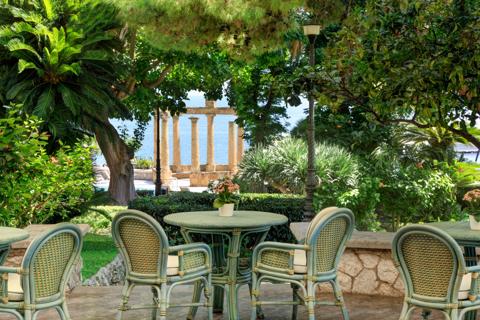
An Art Nouveau Florio-family palazzo on the Bay of Palermo: Sicily's grand seaside hotel, restored top-to-bottom by Rocco Forte in 2021 with interiors by Olga Polizzi.
An 1880 hunting lodge built by the Count of Sant'Elia and later frequented by the Savoy royals, on a private promontory between two coves, with enclosure walls reaching the sea on three sides. Twenty-four rooms, a centuries-old park and a seawater pool in a private cove.
A 4th-century Roman hunting villa holding what UNESCO calls the finest mosaics in situ anywhere, per UNESCO: over 3,000 m² of them, including the famous 'bikini girls' mosaic of female athletes. Buried under a 12th-century mudslide, rediscovered in the 1950s, UNESCO since 1997. Two hours inland from Catania, an hour from Ragusa; drive, there's no train. A walkway runs above the mosaics; bring a hat for the summer heat.
The other great Ravello garden: 13th-century, two terraces, an Arab-Sicilian cloister. The Ravello Festival (early July to late August) stages orchestral concerts on a platform built out over the cliff at the lower terrace. Buy festival tickets months ahead.
An early-20th-century villa-turned-museum built by Swedish doctor Axel Munthe on the ruins of a Roman site. Roman antiquities, perfumed gardens, and a shaded pergola overlooking the gulf. Pair with the Monte Solaro chairlift, which leaves from the same village.
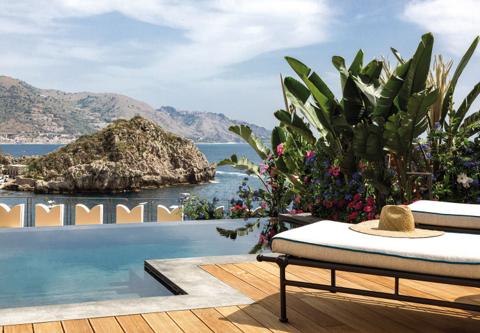
A 1919 aristocratic villa on the private beach of the Bay of Mazzarò: Taormina's beach hotel, sister to the Grand Hotel Timeo above.
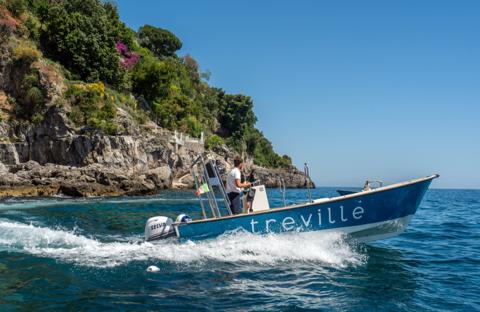
Franco Zeffirelli's old estate, across four villas (Rosa, Azzurra, Bianca, Tre Pini).
The natural-wine bacaro on the Misericordia aperitivo strip. Creative cicchetti that go beyond tradition.
A long stretch of dark-grey sand on the south coast under white tufa-stone cliffs the wind and rain have carved into wave shapes: the most sculptural beach on the island, and almost entirely overlooked by the cruise crowds. The far end is quietest. Bring shoes, since the sand is fine but the rocks are sharp. Combine it with the Santorini Arts Factory at the inland Vlychada port (the old tomato-canning plant, now a contemporary-art space worth a look).
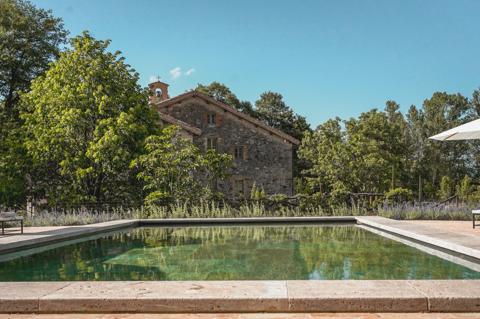
A 12-room boutique hotel inside a 12th-century monastery, with mid-twentieth-century Italian furnishings, handmade Cotto Etrusco tiles, and a Michelin-recognised restaurant. Adults only (14+).
The omega-shaped bay next to Nestor's Palace in Messinia: a near-perfect ring of pale sand and clear shallow water, protected, and Homeric (the Odyssey names it). 15 minutes from Costa Navarino. Climb the hill above for Nestor's Palace and the Bronze Age tablet rooms. If the Peloponnese has one beach, this is it.
Hillside above Adamas with private plunge pools in most suites and the wide view across the volcanic bay.
Monis Kardiotissis 71, Lakkos district: a garden taverna serving Cretan cooking with Asia Minor accents (caprico, the wedding-rice gamopilafo). Quieter, more local, the dinner Heraklion books second after Peskesi.
A steep 45-minute hike up the rim of Vulcano's main crater, climbing through coloured sulphur deposits to a 360° view across to Lipari and Salina. The mud baths at the foot of the volcano (Pozza dei Fanghi) are the other draw: sulphurous, smelly, and long claimed to fix every skin condition. Closed for a year after 2021 gas-vent issues, now reopened. Bring water and an old swimsuit; the sulphur stains.
The W sits on the Navarino Bay side of the estate: adults-only, guests aged 12 and over, and the newest of the four Costa Navarino hotels.
After dark the Tiber embankment empties out. Both banks lit, bridges glowing, the river traffic gone. Start at Castel Sant'Angelo and walk south toward Trastevere. Takes about an hour if you stop twice.
Cycladic minimalism done with restraint: white-on-white, raw timber, the Pollonia bay in the window. Small (under 15 keys), adults-only, breakfast delivered to your terrace.
Vines are grown on terraces above the cliff at Furore, producing Costa d'Amalfi DOC whites from native grapes (fenile, ripoli, ginestra) and reds (tintore, piedirosso). The winery names two flagship labels, the Fiorduva white and the Furore Rosso Riserva.
A sit-down tasting in a private studio minutes from the Colosseum. Small groups, a real cellar, two hours through native varieties with context.
A Michelin-starred kitchen on a quiet rio in San Polo: Andrea Martin and Max Rossetti out front, chef Valerio Dallamano cooking modern Venetian. Terrace tables under actual wisteria.
Twenty-seven years in Halki, the kontosouvli (slow-spit-roast pork) is what they're known for, the courtyard is shaded by an enormous fig. The lunch stop on the inland day, pair with the kitron tasting at Vallindras across the square.
A wine taverna in a quiet Naoussa lane, open since 2007, with a cellar heavy in Greek producers. The signature is the boneless lamb wrapped in vine leaves and stuffed with Naxos cheese, slow-cooked in the wood oven with potatoes. Ask the sommelier for a Tinian Mavrotragano or a small-batch Paros white. Book ahead.
The Pollonia waterfront classic: feet-in-sand tables, simple grilled fish, the long lunch that turns into an afternoon. Less precious than Astakas, and often where the island itself ends up.
A converted theatre near Santa Maria Novella, now a design-minded yoga studio. Vinyasa, kundalini, yin, and ashtanga, taught in Italian and English. Drop-in friendly, mats for rent. Useful when the museum days catch up with you.
A 60-room boutique on Parasporos beach: Cycladic-village-style architecture across multiple buildings, a spa, and the Nefeli restaurant with a menu signed by Michelin-starred chef Lefteris Lazarou.
From Cape Skinari at the north tip of Zakynthos: a small-boat tour through the blue caves
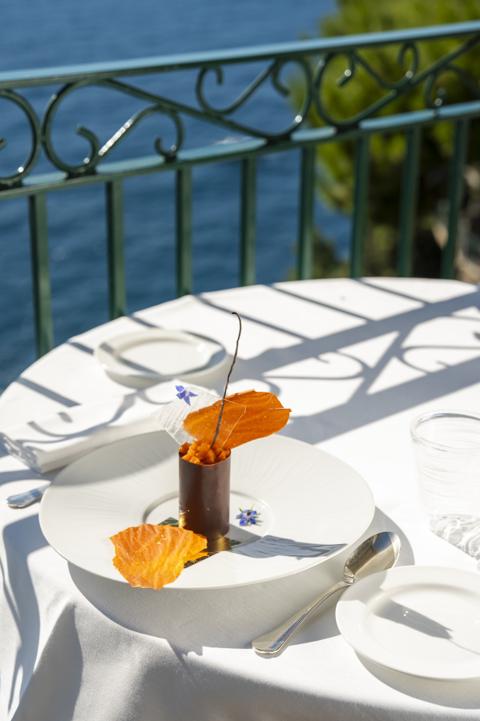
Carved into the cliff a kilometer outside Positano.
The long, sunlit fondamenta on the south edge of Dorsoduro, facing the Giudecca canal. Wide enough to walk three abreast. Joggers, students, dog-walkers, gelato eaters from Nico's at the western end. The Punta della Dogana sits at the eastern tip. Walk the full length around 6 p.m. when the sun sets behind Giudecca's Redentore church. Sit at any of the floating café-pontoons for a Spritz with your feet over the water.
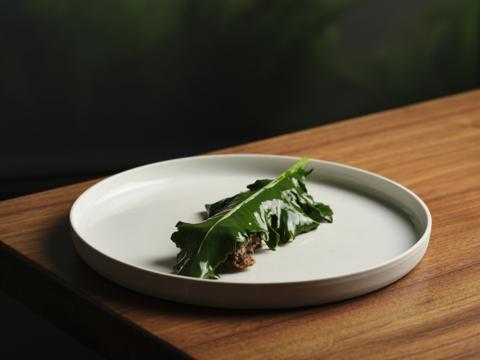
Minimalist interiors, modern Roman cooking, no show. Trastevere without the noise.
Send us your list. We'll build it. Hotels, restaurants, drives, the whole sequence, planned by someone who has actually been. 72 hours, $85, two revision rounds included.