The Guides
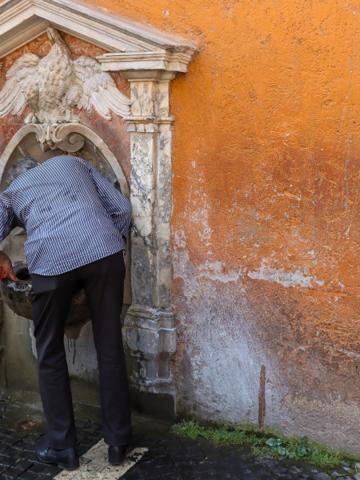
Italy
The food, the coastline, the chaos. Everyone ends up here.
10 guides·112 hotels·236 restaurants
Rome
Where to stay neighborhood by neighborhood, the trattorias to book, and a two-day walking plan that keeps queueing to a minimum.
Central ItalyFlorence & Tuscany
Renaissance overload by day, bistecca alla fiorentina by night, and a countryside that looks like a painting because it was one.
CampaniaThe Amalfi Coast
Vertical villages, lemon terraces, Capri offshore, Naples up the road. Coast, island, and city, sometimes all in the same day.
VenetoVenice
Skip San Marco at noon, cross into Cannaregio for cicchetti, stand at the bar, drink an ombra, repeat.
LombardyMilan & the Lakes
Two trips, one region: tailoring and aperitivo at 7 in the city, then Como, Maggiore, Garda, and Orta an hour north.
The AlpsThe Dolomites
Limestone towers, Ladin valleys, road signs in three languages. Cortina for the name, Alta Badia for the cooking, Val Gardena for the trails.
Central ItalyUmbria & Le Marche
Tuscany without the prices and twice as wild: Assisi, Orvieto, Spello, Spoleto, all medieval, all built on top of something.
The southPuglia
The heel of the boot: whitewashed towns, ancient olive groves, and a coastline that flips between rocky Adriatic and Ionian sand.
The islandsSicily
The Mediterranean's biggest island, and the one that eats like five countries: Greek temples, Norman cathedrals, an active volcano in the middle.
The islandsSardinia
The Mediterranean's second-biggest island, and the one that least feels like Italy. The Costa Smeralda is what everyone pictures; Cala Goloritzè at sunrise is better.
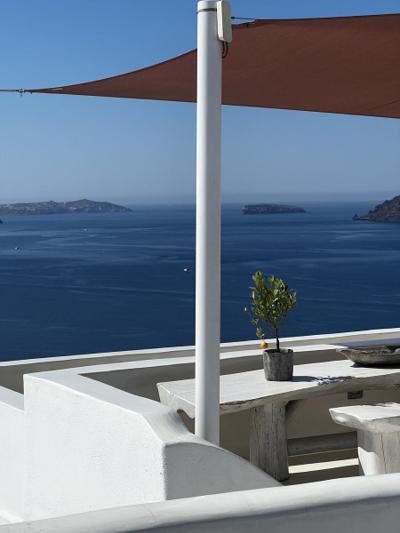
Greece
Two seas, a thousand islands, and a different dinner on every one.
12 guides·Athens to the Dodecanese
Read the Greece guide →Athens
The city most travellers fly through on the way to an island, which is a mistake: the most interesting kitchens are here, the natural-wine bars are here, the Acropolis is still here.
Island groupThe Cyclades
Seven islands worth structuring one trip around: Santorini for the caldera, Milos for the geology, Paros and Naxos for the version that still belongs to the Greeks.
The CycladesSantorini
A 12-kilometre caldera and the village everyone comes for. Stay in Imerovigli or Pyrgos, and eat on the back side of the island.
Wine guideSantorini Wine
Seven verified producers, the native grapes (Assyrtiko, Mavrotragano, Vinsanto), a one-day tasting itinerary, and what to bring home.
The CycladesMykonos
The loudest island in the Cyclades, and it can be done well: Delos before noon, the back-beach tavernas, one beach club a day.
The CycladesParos
The island most travellers should start with: base in Naoussa, eat the harbour, take the short ferry to Antiparos.
The CycladesNaxos
Mountains and potato fields behind the harbour town, the Portara at sunset, a full day of inland villages. The biggest of the Cyclades.
The CycladesMilos
Volcanic, mineral, almost lunar. Sarakiniko at dawn, Kleftiko by small boat, Klima's painted syrmata at the waterline.
The big islandCrete
The biggest Greek island, and the one we'd fly to for the food alone. Chania's Venetian harbour on one end, Knossos on the other.
The mainlandThe Peloponnese
The mainland most island itineraries skip, and the part that tends to make the trip: Nafplio, Mycenae, Monemvasia, the Mani.
West coastThe Ionian Islands
Off the west coast, facing Italy: Venetian, greener, softer than the Aegean, with Corfu as the headline.
East AegeanThe Dodecanese
Twelve main islands along the Turkish coast. Rhodes is the headline; Symi is the day trip people regret not sleeping in.
Picky on purpose.