Costa Smeralda
Yachts, granite, turquoise. The famous coast — and the expensive one.
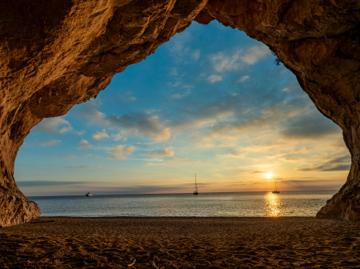
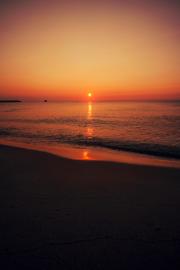
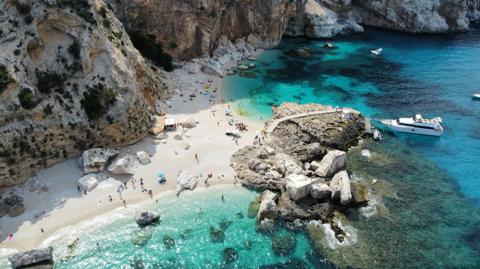
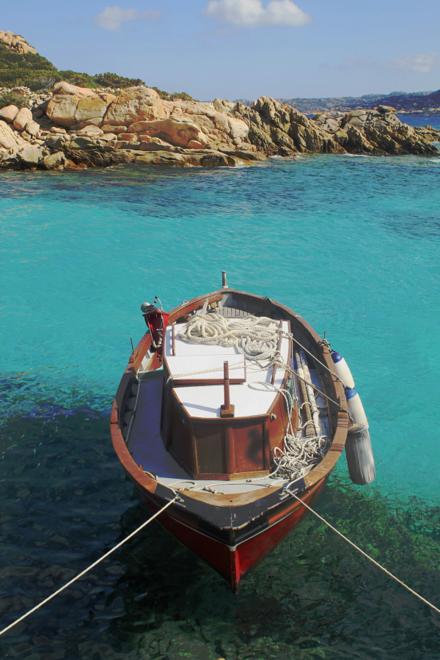
The Mediterranean's second-biggest island, and the one that least feels like Italy. Turquoise that looks photoshopped. White granite boulders the size of houses. A 1,800-kilometre coastline, and an interior of stone villages most of the country forgets exists. The Costa Smeralda is the cliché — yachts, Cala di Volpe, Porto Cervo. It's earned, on a quiet morning. But Sardinia is also Cala Goloritzè at sunrise, Alghero in Catalan dialect, lamb cooked underground in Barbagia, and Vermentino by the carafe in towns no one's heard of. Don't try to circle the island in a week. Pick a coast. Or better — pick a coast and one inland night.
Sardinia is too big to do in one trip. The coasts don't connect — there's no proper highway down the middle, and the airports are 250 km apart. Every good Sardinia trip starts with the same decision, before the dates, before the hotel, before the flights. Pick the coast. Or pick a coast and one inland night. The wrong answer is trying to see all of it.
Yachts, granite, turquoise. The famous coast — and the expensive one.
Catalan-Italian walled town, La Pelosa beach, half the prices, more interesting food.
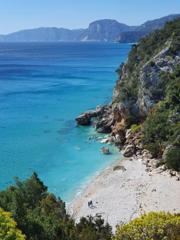
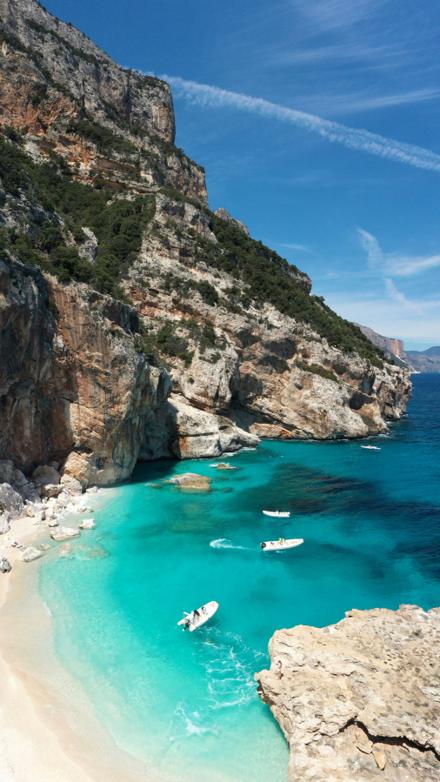
The wild east. Cala Goloritzè, the Gulf of Orosei boat day, limestone cliffs straight into the sea.
The working capital, Chia's white sand, year-round weather, no crowds.
Seven-island archipelago at the top. A day trip, not a stay.
Swipe to compare
Sardinia is the most-Italian-feeling part of Italy that doesn't feel Italian. The dialects are closer to Latin than to Tuscan. The bread is unleavened and the size of a record. The shepherds outnumber the Romans. And the coastline — 1,800 kilometres of it — does things the rest of the Mediterranean stopped doing decades ago, with water so clear you can read your watch through it. The Costa Smeralda is the part people know. The rest is what you came for.
Rent a car. The trains barely exist and the best beaches are at the end of dirt roads. Spend one night inland — Barbagia, Ogliastra, the granite hills above San Pantaleo — and the trip changes shape. The coast is what photographs well. The interior is what stays with you.
Granite, turquoise, lamb cooked in the ground. Repeat.
Best in late May through June and September — sea's warm enough, beaches aren't a war zone, hotels aren't August-priced. July is busy but workable. August is what to avoid: Italian holidays, Ferragosto (15 Aug), Costa Smeralda priced into the stratosphere, every beach a parking problem. November through March the coast effectively closes — most resorts, beach restaurants, and ferries shut down. Cagliari and Alghero stay open year-round; the rest of the island goes quiet.
Six pieces, each its own trip. Costa Smeralda is the famous coast — granite, yachts, Cala di Volpe. Alghero on the northwest is Catalan-Italian and walkable. The Baunei Coast on the east is wild, hard to reach, and the most beautiful part of the island. Cagliari and the south are the working city plus the country's best southern beaches. La Maddalena is the archipelago at the top. Barbagia is the granite interior — Nuragic towers, stone villages, the real food. Pick two coasts and one inland stop.
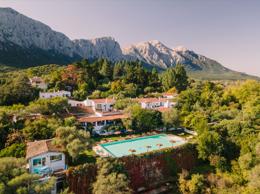
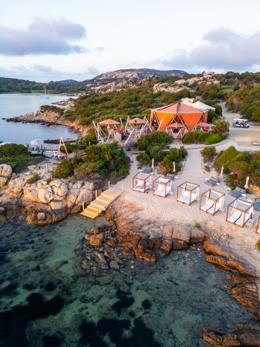
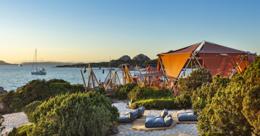
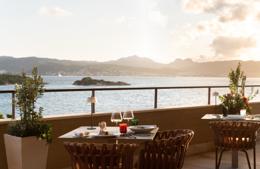
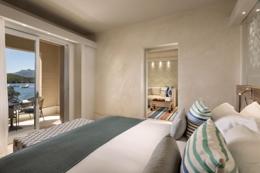
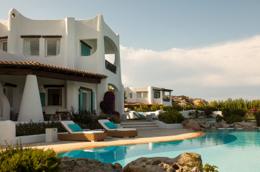
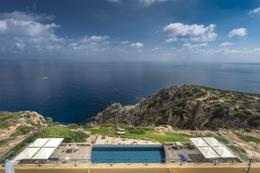
The Aga Khan-built stretch on the northeast: Porto Cervo, Porto Rotondo, Cala di Volpe. Yachts the size of small towns, designer boutiques, and beaches that earn the photographs — Spiaggia del Principe, Capriccioli, Liscia Ruja. In high August it's a scene. In late May or September it's astonishingly quiet and astonishingly beautiful. Base in San Pantaleo (the granite village 15 minutes inland) for more soul, less price tag. Fly into Olbia.
The northwest coast — Alghero, Bosa, Stintino — is the under-rated half of the island. Alghero still speaks Catalan from the 14th century, has a walled old town you can drink your way through, and sits 30 minutes from one of the best beaches on earth (La Pelosa, in Stintino). Bosa is the pastel river town. Less polished than Costa Smeralda, half the money, more interesting food. Fly into Alghero.
The most beautiful and least convenient part of the island. The Gulf of Orosei — limestone cliffs straight into the sea, white-pebble coves you can only reach by boat or a serious hike. Cala Goloritzè, Cala Mariolu, Cala Luna. Base in Cala Gonone or Santa Maria Navarrese, rent a Zodiac for the day, accept that you'll be sore by sunset. Combine with one night in Barbagia 30 minutes inland.
Cagliari is the working capital — markets, the Castello hilltop quarter, sea views from the Bastione di Saint Remy, and the best restaurants on the island that aren't trying to be Milanese. South of the city: Chia and Villasimius, two of the country's quietly best beaches, white sand and water you can see your feet through at chest height. Less crowded than the north because most tourists never come this far down. Fly into Cagliari.
A national park of seven islands off the northeast tip — Maddalena, Caprera, Budelli (the famous pink beach), Spargi. Day-trip territory: take the ferry from Palau (20 minutes), or charter a boat from Porto Cervo or Santa Teresa Gallura. The water between the islands is the colour everyone tries to fake in photos. Budelli's pink beach is now off-limits to walk on, but you can swim nearby. Not a place to base yourself unless you want to be very, very off the grid.
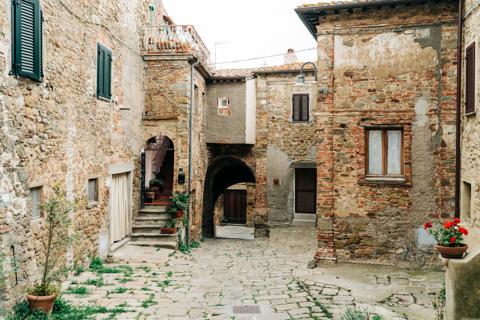
The mountainous interior almost no one writes about. Granite villages built into hillsides — Oliena, Orgosolo (the murals town), Mamoiada (the carnival masks). Su Gologone, the hand-painted hotel in Oliena, is the soul of it. Nuraghi — Bronze Age stone towers, 7,000 of them across the island, with Su Nuraxi di Barumini the UNESCO one. Lamb cooked underground (su porceddu), pecorino aged on the rock, Cannonau wine. One night here changes the trip. Two nights, you start thinking about moving.
Limestone cliffs straight into water that doesn't look real. The Baunei Coast is the reason to come.
Sardinian food is not Italian food. It's older, plainer, and stranger — closer to Phoenician and Spanish than to Tuscan. Sheep before cows. Pane carasau (the paper-thin flatbread shepherds carried up the mountain) before bread. Bottarga (cured mullet roe, grated like parmesan) on everything. Pasta shapes no mainland Italian has ever heard of — fregola, malloreddus, culurgiones. On the coasts: seafood that didn't move very far, plus lobster done two ways in Alghero (Catalan-style, alive and split at the table). In the interior: lamb, kid, suckling pig cooked underground for six hours over juniper. Wine is Cannonau (Sardinia's Grenache) and Vermentino. Four categories, four corners of the island.
The working capital eats like nowhere else on the island — half-Sardinian, half-port, the freshest fish in the country at the Mercato di San Benedetto, and a generation of younger chefs doing the modern Sardinian thing properly. The Castello and Marina quarters are where to base. Lunch late. Dinner later — 9 p.m. is normal.
The cagliaritani consensus pick for serious seafood — a small Marina-quarter osteria on Via Sardegna where Gigi Riva ate for decades (his table is still pointed out). The sea-urchin spaghetti (Nov–Apr) is the dish that turns Cagliari sceptics around; fregola allo scoglio (Sardinian couscous-meets-pasta with mixed shellfish) is the other order. Book a terrace table at sunset; closed Mondays.
stellamarinadimontecristo.com ↗A Michelin-recommended sleeper inside Palazzo Doglio with the best sunset terrace in central Cagliari — tight modern-Sardinian, local catch, French technique, an almost entirely Sardinian wine list. Two tasting menus (both worth doing) plus a shorter à la carte; the terrace over Largo Carlo Felice toward the harbour is the table to book May–Sept. If you only have one dinner in Cagliari, this is it.
palazzodoglio.com ↗The Marina-quarter trattoria on Via Napoli where the porceddu (suckling pig) is the order — brick-vaulted dining room, marble-topped tables, rural Sardinian food in the middle of the capital. Order the antipasto della casa (cured meats, pecorino at three ages, pane carasau), the malloreddus alla campidanese (gnocchetti in a fennel-sausage ragù), the juniper-smoked porceddu, and seadas with hot honey to finish. The same family runs Su Cumbidu Mare next door for fish.
sucumbidu.com ↗The classic Castello breakfast on Via Santa Croce 33 — a terrace built into the city's medieval walls with the entire Gulf of Angels in front of you, properly flaky cornetti, a cappuccino strong and not over-foamed. Comes back to life at aperitivo: a Vermentino spritz on the wall as the harbour lights come on is one of the small free pleasures of a Cagliari trip.
Facebook · Caffè Libarium Nostrum ↗Alghero still cooks Catalan. Lobster is split at the table and dressed with tomato, onion, and oil (aragosta alla catalana). Fregola gets paella treatment instead of rice. The old town is small, walled, and walkable — you can do three sittings in three nights without crossing the same square twice. Book everywhere from mid-June through September.
Alghero's Catalan-Sardinian standard-bearer since 1973 (chef patron Francesco Pais now) — two candlelit rooms inside a centuries-old stone building on Via Majorca, three set menus (fish, meat, vegetarian) built around the morning's catch. The Catalan lobster is the dish — poached, split, dressed with raw tomato, sweet red onion, salt, oil, lemon. Closed Sundays; book a couple of days ahead in shoulder season, a week ahead in July or August.
altuguri.it ↗The sunset table in Alghero — terrace on the Bastioni Marco Polo with water below and Capo Caccia in the distance, and (rare among sea-view bastion spots) a kitchen that holds up. The crudo plate (raw red prawns, oysters, tuna, sea bass) is the way in; spaghetti vongole or the squid-and-vongole pasta follows. Book the terrace for an hour before sunset and don't rush.
ristorantethekings.com ↗A working sheep farm ten minutes inland from Alghero (Strada Aeroporto Civile), Murrocu family — shepherds for generations, restaurateurs since the seventies. No menu; a set parade of a dozen antipasti (their own pecorino at three ages, prosciutto, ricotta, bread baked that morning), handmade pasta, juniper-spit-roasted lamb or porceddu, seadas, mirto. Bourdain-recommended and the locals still go; the best way to understand what Sardinian food actually is. Reservations only, a few days ahead.
aziendasamandra.it ↗The pizza place locals defend — small, family-run on Via Don Deroma, wood oven, yesterday's dough, pizzas from €7. Hot and loud in the best way; the kids' table on the corner is the giveaway that this is where Alghero actually eats. Go at 7 when they open — by 8 p.m. in summer there's a line.
@alvecchiomulinoalghero on Instagram ↗The Costa Smeralda is expensive. There's no working around that. What you can do is spend the money on places that earn it — and skip the bottle-service circuit for the kitchens that have a point of view. The best dinners are often in San Pantaleo, the granite village fifteen minutes inland from Porto Cervo. Bring a credit card with no ceiling. Book a month ahead in August.
Porto Cervo's Michelin star — Italo Bassi (decades at Enoteca Pinchiorri before this) cooking disciplined fish on the Promenade du Port, the sole with mint-marinated zucchini and beurre-blanc foam as the textbook dish. Two tasting menus, classics or new creations. The Bubble Bar downstairs is the more relaxed move if you don't want a four-hour dinner — bistrot food, champagne by the glass, the same kitchen.
confusion-restaurant.com ↗Il Fuoco Sacro at Petra Segreta in the granite hills above San Pantaleo — awarded its first Michelin star in the 2026 Guide. Resident chef Alessandro Menditto cooks in collaboration with mentor Enrico Bartolini (Italy's most Michelin-starred chef) under owner-patron Luigi Bergeretto. Open-air garden tables under the cork oaks, candles on every table, a kitchen built around Gallura ingredients (valley lamb, lobster from the morning's Porto Cervo catch). One of the region's best wine cellars; open to non-guests, book a sunset table.
petrasegretaresort.com ↗The kitchen side of Phi Beach — the open-air club built into the 1800s Forte Cappellini on the Baja Sardinia rocks, DJ Mag's #1 club in Italy. Chef Luciano Guidi cooks Mediterranean coastal — catch of the day, seasonal vegetables, fish handled simply — and the point isn't a Michelin star, it's eating well in one of the island's most cinematic open-air rooms. Book a Pied dans l'Eau or terrace table for sunset and stay for the DJ set; reservations a month ahead in August.
phibeach.com ↗Antonio Mellino's Porto Cervo project — the seafood spin-off of his two-star Quattro Passi in Nerano. White-on-white setting with a terrace over the water at Porto Vecchio, Campanian-Sardinian cooking, the lobster spaghetti and the whole fish in salt crust (deboned tableside) as the dishes. The smoothest service in town; reservations are difficult in August, so go for lunch — same food, more bearable wait list.
@quattropassialpescatore on Instagram ↗The most Sardinian food on the island is inland — and almost nobody on a coastal trip ever eats it. This is shepherd cooking: pane carasau, slow-roasted suckling pig, lamb with wild herbs, pecorino at four ages, Cannonau in a carafe. Go for one long lunch, or one inland night. Either rearranges the trip.
The most famous restaurant in inland Sardinia — the Palimodde family's Bib Gourmand in Oliena at the foot of the Supramonte, open since 1967 with three generations of women running it and the porceddu turning on the spit in the dining-room fireplace. Order the antipasto parade, maccarrones de busa (handmade bucatini), the porceddu, and seadas with hot honey; drink Nepente, the Cannonau D'Annunzio named in 1909. Closed Nov–March; book through the hotel.
sugologone.it ↗A working farm in the hills above Nuoro (Località Testone) — reservations only, set menu around €40 including wine, twelve antipasti rolling out family-style (smoked sausage, three pecorinos, ricotta, sa fregula incasada, suppa cuata) before the pasta and either lamb or porceddu. What shepherds eat when they want to impress someone; bring time.
agriturismotestone.it ↗A family trattoria on Via Vittorio Emanuele in Mamoiada — the carnival-mask town in the heart of Barbagia, mountain Sardinian food done properly. Order the culurgiones (pleated by hand on the spot — Mamoiada takes the pleating seriously), the lamb with wild fennel, a glass of Cannonau from the surrounding hills. If you're here for Autunno in Barbagia (Sept–Dec festival weekends), come Sunday for lunch and stay for the procession.
Facebook · Sa Vitti Mamoiada ↗A family agriturismo in the Gallura hills between Arzachena and Tempio Pausania, twenty minutes inland from Porto Cervo but a different country gastronomically — vines over the dining tables, the porceddu turning on the spit, the closest a coastal trip will get you to inland-Barbagia cooking. Prix-fixe family-style: a dozen antipasti, ricotta-and-spinach ravioli, the porceddu, seadas with mirto-soaked oranges, mirto and grappa from the family stills. Reservations only, several days ahead in summer.
agriturismolacolti.com ↗
Carasau is the bread the shepherds carried up the mountain. Pecorino is the cheese the sheep made. Cannonau is what they drank when the day was done.
Sardinia does hotels at four very different speeds. There's the Costa Smeralda tier — Cala di Volpe, Romazzino, Cheval Blanc Pitrizza — designed by the Aga Khan's architects in the 1960s and priced as if the Aga Khan is still paying. There are the historic palazzi in Alghero and Cagliari. There are the stazzi and country resorts in the granite interior, which are quietly the most interesting stays on the island. And there are the hand-painted, near-mythical destination hotels like Su Gologone in Oliena, which are categories of one. Eight places, organised by price. Avoid anything claiming to be a "luxury beach village" — in Sardinia, the architecture and the landscape do the work.
A 5-star hotel that doesn't shout about it. The villa was Antoine de Saint-Exupéry's hideout, Liz Taylor and Richard Burton's bolt-hole, and is still one of the only properties in Italy whose enclosure walls reach the sea on three sides. Twenty-five rooms, all individual, mostly with original furnishings and Romanov-era antiques the Savoy princesses left behind. The outdoor seawater pool is dropped into a small private cove. The indoor heated seawater pool is in the spa, in the basement, and runs year-round. Ten minutes' walk along the seafront to the walled old town.
An entire restored block in the Villanova quarter, built around an inner courtyard that opens up into a square of its own — boutiques, three restaurants, a spa, and the Gli Uffici terrace overlooking Largo Carlo Felice. Seventy-two rooms across five categories; the suites are double the size of the classic rooms and worth the upgrade if you want the marble bathrooms with both tub and rain shower. Underfloor heating throughout. Member of Leading Hotels of the World. Open year-round, which makes this the best winter-trip base on the island.
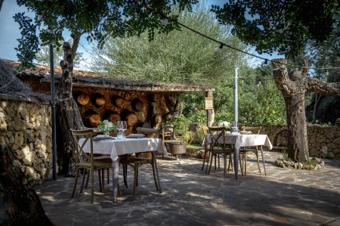
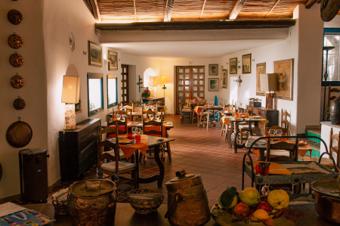
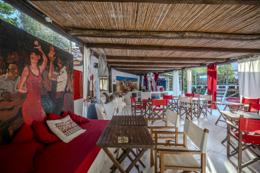
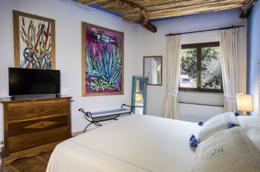
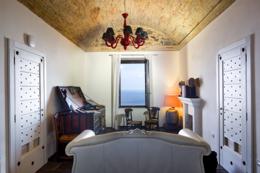
A category of one. Started as a restaurant in 1967 by Peppeddu Palimodde; expanded over fifty-something years into seventy rooms across a hillside, each one dedicated to a 20th-century Sardinian artist, each one furnished and decorated by the current owner Giovanna Palimodde — painter, designer, third-generation host. The Bar Tablao is the aperitivo. The Nido del Pane is the bread room, where Oliena women demonstrate carasau-making twice a week. The restaurant is a Michelin Bib Gourmand and the spit-roasted porceddu is the order. It's 30 minutes from the sea, 45 minutes from Baunei. Use it as the one inland night that recalibrates the trip — or stay for three.
Opened January 2023 — the most distinctive small hotel in Cagliari, and one of the freshest design openings in Sardinia. Nine suites in the 19th-century Palazzo Frau on Viale Regina Margherita, each designed by artistic director Giorgio Casu with Sardinian craftspeople Carolina Melis and Mauro Patta — the round bed and bathtub in Isola, the dramatic dark Aurora layered over original brick and antique timbers, the chromotherapy Turkish bath in Dune, plus Smeraldo, Eclàt, Abissi, Corallo. Original brickwork and antique timbers paired with polished concrete and Italian-designer furniture from a local cooperative. The open-kitchen restaurant (Executive Chef Filippo Monaco with consultant Umberto Vezzoli) is built around Nieddittas mussels — the Sardinian cooperative the owners' family (siblings Caterina and Claudio Murgia) helped found in 1967 and have run for decades. There's a courtyard with a small plunge pool, and the Torrino — a rooftop terrace you can book privately for sunset dinners. A 5-minute walk to the Marina, 12 to Castello. The Cagliari stay if Palazzo Doglio feels too corporate.
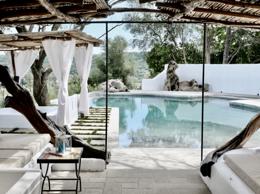
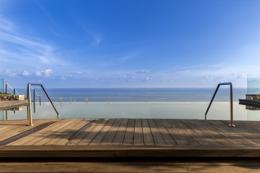
The other Costa Smeralda — inland, quieter, half the price of Cala di Volpe, with arguably better food. Twenty-seven rooms, suites, and villas scattered through five hectares of Mediterranean garden and granite boulders (ten with private heated pools), an infinity pool with a fifty-kilometre view, and Il Fuoco Sacro — the open-air restaurant under the cork oaks, awarded its first Michelin star in the 2026 Guide. Resident chef Alessandro Menditto cooks in collaboration with mentor Enrico Bartolini (Italy's most Michelin-starred chef) under owner-patron Luigi Bergeretto. San Pantaleo village (the Thursday market, the granite-village squares) is a three-minute drive. Better than the beach hotels if you want to feel like you're in Sardinia and not in Monaco-on-Sea.
On a cliff above Cala Battistoni in Baja Sardinia, ten minutes from Porto Cervo, with a clear shot across the water to the La Maddalena archipelago. Seventy-five suites, all with terraces, most with sea views — the design is contemporary-Mediterranean in a way that feels Ibiza-adjacent without being a copy. Cone Club is the beach club below; it's the scene meal at lunch and the better-than-Pitrizza option at sunset. Three restaurants on property. Younger guests, looser dress code, fewer pearls than the old Costa Smeralda guard.
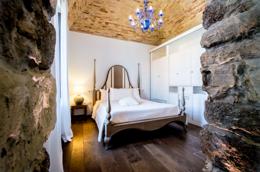
BelmondVilla · pool + bougainvillea
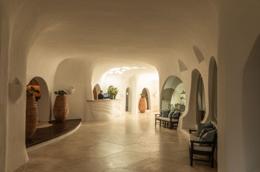
BelmondReception · the Aga Khan plaster
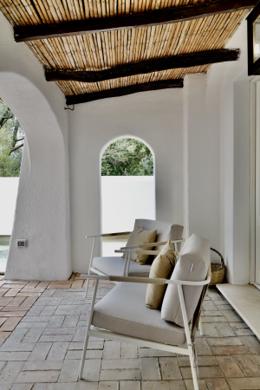
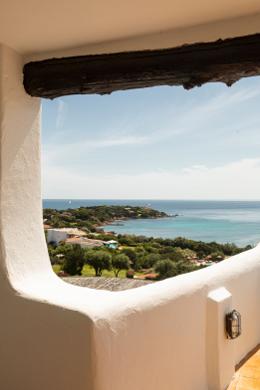
BelmondScalloped window · the sea framed
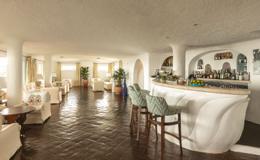
BelmondBar · sculpted plaster + woven stoolsPhotos courtesy of Belmond Romazzino
One of the Aga Khan's original Costa Smeralda hotels (opened 1964), now under Belmond, sitting on a green outcrop above one of the whitest beaches in the region. Star-shaped layout, one hundred rooms, suites and private villas, a kids' club, watersports, gardens that have been growing in for sixty years. Quieter and more family-leaning than Cala di Volpe; the food is reliably good if not Michelin-fashionable. Closes for the winter — reopens 28 May 2026 for the season. Five minutes' drive from Porto Cervo if you want the scene; otherwise the hotel does its job without you ever needing to leave.
Built by the Italian Navy in 1856, machine-gunned by American planes in the war, restored in the 2000s into one of the most distinctive small hotels in Italy. Still a working lighthouse — the lantern rotates above you while you eat dinner under one of eight glass gazebos on the lawn. Eleven rooms across the original keeper's quarters and the adjacent semaforisti residence, all looking onto the Tyrrhenian. A 14-meter infinity pool dropped into the cliff edge. The kitchen has no fixed menu — the chef discusses your preferences and cooks accordingly. About an hour south of Cagliari, on a private dirt road no public vehicle can use; the hotel runs a shuttle from a lower parking lot. The fact that you can't drive in is the point.
If there's one hotel that defines the Costa Smeralda, this is it. Designed by Jacques Couëlle and opened in 1963 to look like an Italian fishing village, with archways, courtyards, hand-painted ceramic everywhere, and a saltwater pool that's the largest in Europe. The beach is across the bay, reached by hotel shuttle boat. Six restaurants on property — the headliner is Matsuhisa (Nobu's name on the door, his menu on the table), then Beefbar, the Cala di Volpe Restaurant, the Barbecue Restaurant by the pool. Service is its own institution. Rooms are dated by design intent; the new suites are renovated to a different standard if that's preferable. Closed in winter, reopens April. The classic.
The most discreet of the Costa Smeralda's three legacy properties (Cala di Volpe, Romazzino, Pitrizza), opened in the early 1960s and now under LVMH Hotel Management — set to relaunch as Cheval Blanc Pitrizza in May 2027 after a multi-year transformation. Fifty rooms only, across stand-alone villas and suites set into the granite hillside above Liscia di Vacca. Saltwater pool carved out of the rock. Private beach. Stand-alone villas have their own staff, their own pools, and their own beach access. The point of Pitrizza is that you don't notice anyone else is there — and most of the people who stay here would prefer to keep it that way.
The granite is the giveaway. Wherever the boulders are pink-white and the water turns turquoise, you're on the right beach.
Sardinia is mostly beaches, and the beaches are mostly the point — but it would be a waste to spend a week here and not see the rest. Bronze-Age stone towers older than the Pyramids. A coast you can only reach by boat. A wine region nobody outside Italy talks about. And a granite interior where the air smells like myrtle. Four categories. The boat tours and the Cala Goloritzè permit book up — three weeks ahead in summer, minimum.
Baunei coast · Su Porteddu trailhead, Golgo Plateau
The most famous beach in Sardinia, accessible only on foot. A 3.5 km / 470 m-elevation trail from the Golgo Plateau down to a white-pebble cove with a 143 m limestone pinnacle and a natural arch. 250-people-per-day cap and the permit (€7) books out — reserve via the official Heart of Sardinia app days ahead. Trail opens 7:30 a.m.; arrive before 10 a.m. to make the day work. Closed-toe shoes mandatory; 2L of water minimum.
Departing Santa Maria Navarrese or Cala Gonone
The other way to see the Baunei coast — 8 hours, three coves, snorkeling stops, and a boat-only view of Cala Goloritzè you can't get any other way (boats aren't allowed to dock, but you can swim from 200 m out). Stops include Cala Mariolu, Piscine di Venere, Grotta del Fico. Skipper boats start €60; rent your own Zodiac (no license needed under 40 hp) from around €200 a day.
Departing Palau, Porto Cervo or Santa Teresa Gallura
Seven islands, a national park, the kind of water that looks unreal in photos and unreal in person. Ferry from Palau to La Maddalena island takes 20 minutes; from there, charter a small boat for the inner-archipelago route (Spargi, Budelli, Razzoli) or join a full-day cruise from Cervo or Santa Teresa. Budelli's famous pink beach is off-limits to walk on (since 1999) but you can swim near it. The water between Spargi and Razzoli is the headline.
Barumini · 40 min north of Cagliari
The most complete Nuragic complex on the island — a UNESCO-listed Bronze-Age stone fortress built around 1500 BC, with a central 62m defensive tower, four subsidiary towers, and a village of circular dwellings outside the walls. Earlier than the Iron Age. Earlier than Rome. Sardinia's defining cultural site, and the one to do if you only do one. Guided tours only; book in advance in summer.
Arzachena · 20 min from Porto Cervo
If Barumini is too far south, La Prisgiona is the second-best Nuragic complex on the island and a 20-minute drive from Costa Smeralda. Excavated village, central tower, and the giants' tomb at Coddu Vecchju nearby — a megalithic burial site for the same people who built the towers. The Arzachena Archeological Park combo ticket covers both. Worth a morning on a beach week.
Cabras · west coast, 1 hr from Cagliari
A Phoenician city, later Roman, on a peninsula above two beaches — temples, tombs, a still-standing forum, and one of the better places on the island to feel the layered Mediterranean history without a crowd. Pair it with the nearby Cabras civic archaeology museum, which has six of the 30 Mont'e Prama giants (Bronze-Age 6.5-foot stone warriors discovered in 1974). A long lunch on Tharros's San Giovanni beach afterward.
Supramonte di Dorgali · 30 min from Su Gologone
A prehistoric Nuragic village built inside the collapsed crater of Monte Tiscali — stone dwellings standing in a hollowed-out mountain cave, hidden so well from Roman patrols that the locals held it for centuries after the rest of Sardinia fell. A 2-hour rocky hike each way through the Lanaittu Valley to reach it, scrambling over limestone in the last stretch. Indiana-Jones-coded. Pair with a night at Su Gologone.
Arzachena · 15 min from Porto Cervo
Sardinia's most photogenic winery — a modern glass-and-granite tasting room cut into a hillside between Porto Cervo and San Pantaleo, surrounded by their own Vermentino vines. Tastings are €25–40 per person, three to six wines plus charcuterie, and the kitchen does a proper Sardinian lunch if you book it. Vermentino is the headline (Sardinia grows 85% of Italy's), but the Cannonau reds are the sleepers.
Orgosolo · 30 min from Su Gologone
A mountain village an hour into the interior, with 150+ political murals painted onto the village houses since the 1960s — anti-fascist, anti-NATO, pro-shepherd, pro-resistance. The most photographed walls in Sardinia and a serious afternoon's culture. Walk the streets on your own or book a local guide who'll translate the dialect graffiti underneath. Lunch at one of the village trattorias afterward — Ai Monti del Gennargentu is the call.
Mamoiada, Oliena, Orgosolo & the Barbagia villages
Every weekend from September to early December, a different Barbagia village opens its courtyards, cellars, and kitchens to visitors — porceddu cooked underground, Cannonau by the carafe, weaving and mask-making demos, the works. Mamoiada (carnival mask town) and Oliena (down the road from Su Gologone) are the two best dates. The closest most travelers get to a real Sardinian village life — and the off-season window when prices crash.
Between Dorgali & Urzulei · central Sardinia
A limestone gorge 500 metres deep, walls of sheer rock the height of skyscrapers on both sides — often called Europe's Grand Canyon and not entirely wrongly. The Genna Silana trailhead is the standard route in; a 2-3 hour scramble down, then back up, with the canyon floor opening into pools clear enough to swim in. Bring a packed lunch and serious shoes. A real day's hike, and the antidote to a week on the beach.
Alghero · the bastions, the cathedral, the bay
An hour and a half on foot does the whole old town — the Bastioni Marco Polo at sunset, the cathedral, the narrow alleys of the centro storico still speaking the 14th-century Catalan that gives Alghero its name. End at Cala Bona for a swim in the cove below the walls, then dinner at The Kings on the bastions. The most walkable old town in Sardinia and best done without an itinerary.
San Pantaleo · 15 min inland from Porto Cervo
The granite village above the Costa Smeralda, around its little stone church. The Thursday open-air market is the local event — Sardinian linens, ceramics, baskets, vintage everything, and the kind of crowd that includes both shepherds in for the day and people who keep boats in Porto Cervo. Lunch at L'Assaggio in the square afterward. Come at 9 a.m. to beat the heat; by noon it's a scrum.
Cagliari · Via Cocco Ortu, Stampace quarter
The largest covered food market in Europe, on two floors — fish on the ground floor, meat and produce upstairs. The Cagliari version of Palermo's Capo: shouting, ice, bottarga in eight forms, sea urchins by the half-kilo (€10), and the pace of a real working market that hasn't been tidied up for tourists. Open until 2 p.m., Monday to Saturday. Don't eat breakfast first.
The Nuraghi are the giveaway. Sardinia is older than most of what calls itself old.
Three days is enough to do one coast properly. This is the east-side itinerary — fly into Olbia, base on the Costa Smeralda for the scene and the granite, drop south to Baunei for the boat day and Cala Goloritzè, finish inland at Su Gologone for the meal you'll talk about later. If you want Alghero and the west, fly into Alghero instead and reverse the geography. The 3-day rule: pick a coast. Don't try to do both.
Don't skip it. Sardinian hotel breakfasts are stacked — Oliena honey, three pecorinos, ricotta with citrus, focaccia, charcuterie, pardulas (the saffron-ricotta tarts). Eat well; the next stop is a beach club, not a kitchen.
The Aga Khan's namesake beach — pink granite boulders, water you can't believe is real, ten minutes from the parking lot down a dirt path. Bring a beach umbrella (no establishment), water, and €10 for parking. Get there before noon or it's a circus.
The beach-club lunch on Baja Sardinia — fish-first menu, daybeds, a pool the colour of the bay below it. Book the night before, ask for a table at the water's edge. Two hours, three courses, the right kind of wine list. Lunch ends when you leave.
The granite village above the coast. Walk the cobbled lanes around the stone church, browse the small ateliers (linens, ceramics, vintage), order an aperitivo at L'Assaggio in the piazza, watch the sun drop behind the granite. The most Sardinian fifteen minutes of the day.
Open-air dining under the cork oaks, candle on every table, a Gallura menu that pulls from the lamb fields below the property. Order the catch of the day. Pair with a Cannonau from the surrounding hills. Don't skip the seadas. Book a week ahead in summer.
Leave early. The drive south down the east coast is itself a thing — granite gives way to limestone, the road winds through villages with names you can't pronounce, the lemons grow by the highway. Coffee stop in Tortolì if you need it. Aim to be on the boat by 10 a.m.
Eight hours, three coves, snorkel breaks. Cala Mariolu (white pebbles, water bluer than the photos), Piscine di Venere (the natural pools), and a long swim-stop at the Cala Goloritzè buoy line — boats can't land but you can swim the 200 metres to the beach if the water's calm. Bring reef shoes, two bottles of water, sunscreen you'd put on a baby. Skip the cheap operators; pay €120-180 for the small-group Zodiac.
Out of the sun, into the Supramonte. The road climbs from the coast into the granite mountains; the landscape shifts in twenty minutes from Caribbean to Wyoming. Check into Su Gologone before dark. Shower. Change. Tonight is the dinner of the trip.
Eat at the hotel's restaurant — Michelin Bib Gourmand, sixty years of muscle memory. Sit in the dining room with the open fire where the porceddu roasts on the spit. Order the antipasto parade (six items, all from the property), the maccarrones de busa, the porceddu, the seadas with hot honey. Drink Nepente — Oliena's Cannonau, called out by name by D'Annunzio in 1909. Plan three hours. Drink the digestivo.
A breakfast that's its own draw — honey from Oliena, jam from the property's fruit, three pecorinos at different ages, hand-baked pardulas, fresh ricotta with citrus, every Sardinian pastry the kitchen made that morning. Eat in the garden. Take your time.
The mountain village of Orgosolo, 150+ political murals on the village walls since the 1960s. Walk for an hour. Read the dialect graffiti underneath if you can. The most photographed walls in Sardinia, and not a tourist trap — Orgosolo isn't trying to please anyone. Buy a coffee in the central piazza.
Drive twenty minutes from Orgosolo to Mamoiada. Family-run trattoria, small dining room, hand-pleated culurgiones, lamb with wild fennel, Cannonau by the glass from the producers down the road. If you're here on a Sunday in Autumn (Sept–Dec), the streets will be full for Autunno in Barbagia. Three-hour lunch, no rush.
A small, beautifully done museum dedicated to the Mamuthones — the black wooden masks and sheepskin robes worn at Mamoiada's pre-Christian carnival. Forty minutes is enough. The masks are 3,000-year-old leftovers from a Sardinia that pre-dates everything you thought you knew about the island.
Last night. Drive back to Su Gologone. Aperitivo at the Bar Tablao — Giovanna Palimodde's hand-painted bar, the most photographed corner of the most photogenic hotel in Sardinia. Order a Vermentino spritz and the artichoke antipasti. Dinner light if at all — a few seadas and a glass of mirto. Sleep early. Olbia airport in the morning.
Ten dishes that define Sardinia. Most are pastoral, almost none are from the sea, all of them are older than people realize. The shepherds left us most of the menu; the Phoenicians and the Aragonese filled in the rest. Order in roughly this order, and don't skip the seadas.
The stuff that separates a good Sardinia trip from a great one. None of this is in the brochure.
Non-negotiable. The trains barely exist, the buses don't connect anything that matters, and the best beaches are at the end of dirt roads. Pick up at the airport you fly into (Olbia for the north, Alghero for the northwest, Cagliari for the south). Get full insurance — the coastal roads narrow, the granite is unforgiving, and the rental companies enforce damage charges hard.
August. The locals leave their cities and pile onto the coasts; the coasts are at maximum capacity; Costa Smeralda hotels reach prices that feel like a typo; Ferragosto (Aug 15) shuts half the good restaurants. Late May, June, and September are the sweet spots. October still works in Cagliari and Alghero. November to March, most of the coast and the resorts close; only Cagliari and Alghero remain open year-round.
Sardo is a language, not a dialect. It's the closest living Romance language to Vulgar Latin, with words ending in s and u, and a syntax that doesn't bend to Italian rules. Most Sardinians speak Italian — but you'll hear Sardo in inland villages, Catalan in Alghero, and Gallurese in the northeast. Knowing a few Italian phrases helps. Knowing one Sardo greeting (beni benius — "welcome") gets you further than you'd expect.
Most of the best Sardinian beaches are libere (free, public, no establishment). Bring your own umbrella, towel, cooler, and patience for the parking. Where there's a beach club, it's usually €30–80 for two sunbeds and an umbrella; €200+ on the Costa Smeralda. Removing sand or pebbles from the beach is illegal (especially Spiaggia Rosa on Budelli) — luggage gets checked at the airport in summer. Don't.
The beach has a 250-person-per-day cap. You need a permit (€7) booked via the Heart of Sardinia app, and trail access opens at 7:30 a.m. The hike is 3.5 km each way, 470 m of elevation, an hour and a half down and two hours back up. Closed-toe shoes are required. The boats can't dock — you can only see it from 200 m offshore, or hike. Plan it like a mission and start before 10 a.m.
Sardinians eat late, but not as late as the southern mainland. 8 p.m. is when restaurants fill up; 9 p.m. is normal. Lunch runs 1–2:30 p.m. The window between is closed — many restaurants shut entirely 3 to 7 p.m. and don't take walk-ins. Book ahead in summer for anything that isn't a pizzeria. The good places are full a week out in August.
It is what people say it is — expensive, polished, occasionally absurd. Cocktails at Romazzino run €40. Taxis from a hotel to dinner in town are €50–70 each way. The way to do it without going broke is to stay inland in San Pantaleo or Baja Sardinia and shuttle to the beaches; the way to do it right is to commit, stay at one of the Aga Khan three, and not leave the property. There's no middle path.
Sardinia's two wines. Cannonau is the red — Sardinian Grenache, big, bramble-fruited, often around 14–15% ABV, the wine the centenarians of the Barbagia Blue Zone are credited with. Vermentino is the white — 85% of Italy's Vermentino grows here, sharp, lemon-and-salt, perfect with anything from the sea. Both are €15–30 in shops for the good ones. Drink local. The mainland Italian list is what every other Italian region has.
Don't skip the digestivo at the end of dinner. Mirto is the local move — myrtle-berry liqueur, dark purple, herbal-bitter-sweet, served chilled in shot glasses. Filu 'e Ferru is the other, a clear grappa-like spirit that gets its name ("iron thread") from being hidden underground during Prohibition with a wire marker on the surface. Both are usually offered on the house at the end of a serious meal.
If you only have a week, sleep on the coast six nights and inland one. If you have ten days, two inland. Su Gologone is the obvious play; Petra Segreta works as a halfway version for the Costa Smeralda crowd. The food gets better. The prices drop. The stars come out. You'll thank yourself for the contrast — and you'll see a Sardinia that the coastal crowd never sees.
Tell us when you're going to Sardinia, for how long, what kind of trip you want — beach, food, granite-village, all of the above. We'll send a custom itinerary in 72 hours: restaurants, hotels, drives, the boat operator we trust, the whole map, built around you specifically. Unlimited revisions until it's right.
$50, one time.
Build my Sardinia itineraryDelivered in 72 hours · unlimited revisions included