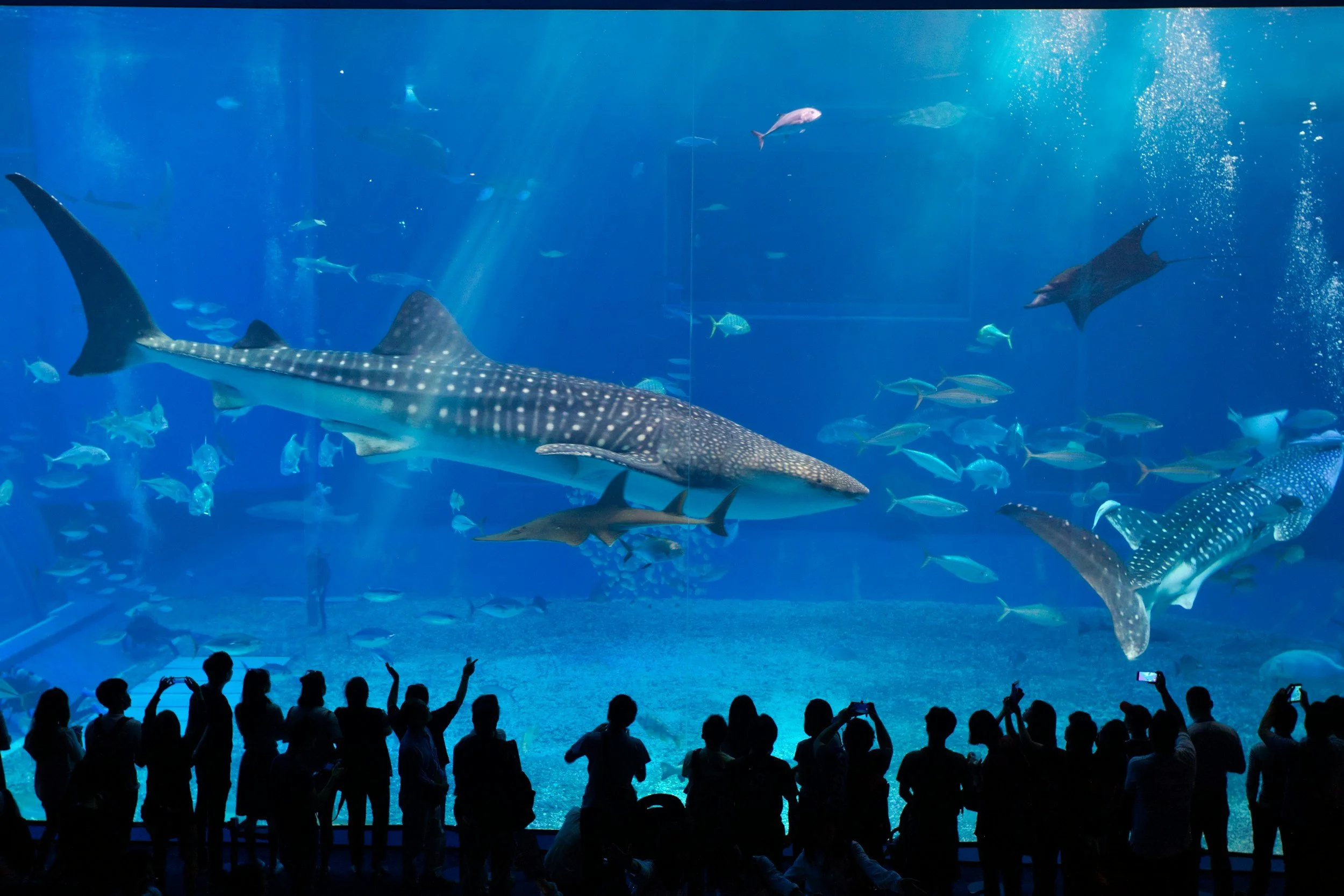
Northern & Southern Islands
Northern & Southern Islands.
Hokkaido and Okinawa have almost nothing in common except that they're both worth the flight. One is powder snow and brown bears and the best dairy in Japan. The other is turquoise water, awamori, and a food culture closer to Southeast Asia than anything on the mainland. Most people skip both. That's their loss.
This is our guide to the islands of Japan. Personal recommendations, heavily vetted.
Every Moment, Considered.
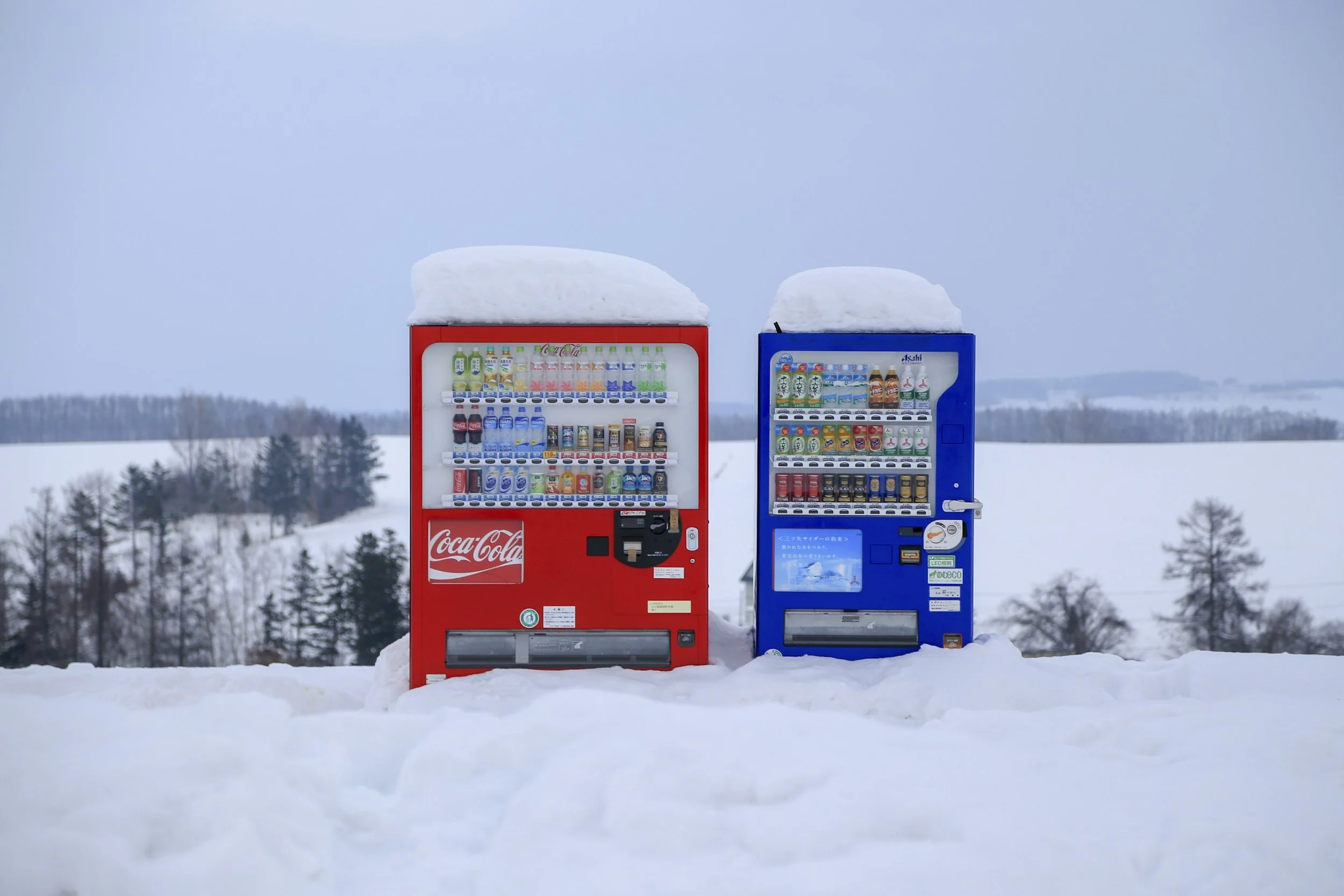
Need To Know
-
Hokkaido and Okinawa are basically opposite seasons.
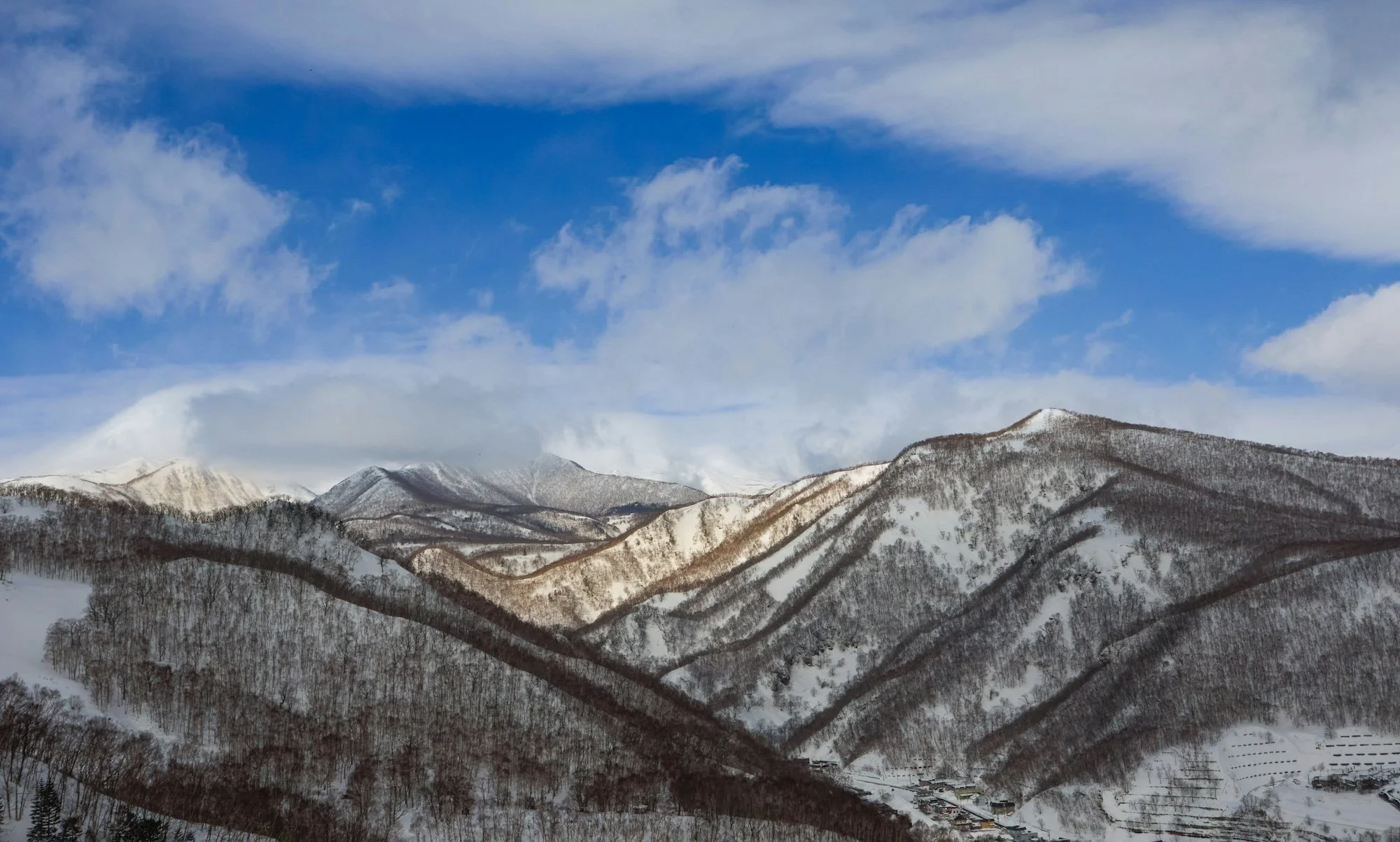
Hokkaido peaks in winter — December through March for powder skiing, January and February for drift ice walking on the Sea of Okhotsk. Summer (June–August) is spectacular for hiking, bear watching, and lavender fields in Furano. Avoid the shoulder months if you're going specifically for outdoor activities — the weather is unpredictable and a lot of seasonal attractions close.
Okinawa is a year-round destination but the sweet spot is October through April — warm, clear, and before the rainy season hits. July and August are hot and humid with occasional typhoons. Cherry blossoms hit Okinawa in late January, weeks before the mainland.
-
For Hokkaido: Sapporo is the obvious base for the city, food, and easy access to everything.
Niseko for skiing. Abashiri or Utoro for Shiretoko and drift ice. Hakodate if the morning market is the mission.
Car is non-negotiable outside Sapporo — public transport gets thin fast.
For Okinawa: Naha is the main hub and fine for a few nights — Kokusai-dori, Tsuboya, Makishi Market all walkable.
But the best parts of the island are north, which means renting a car. Don't rely on buses. They exist. They are not reliable.
-
Both islands require a flight from mainland Japan — no Shinkansen.
Tokyo to Sapporo is 90 minutes. Tokyo to Naha is about 3 hours. Factor this in when planning — a day trip from Tokyo to either is technically possible and genuinely not worth it.
Give Hokkaido a minimum of three nights. Give Okinawa the same.
New Chitose Airport serves Hokkaido; Naha Airport serves Okinawa. Both have good domestic connections.
Book flights early — peak season fares spike significantly, especially Niseko in January and Okinawa over Golden Week.
Hala Hit List
The snow here is different. Drier, deeper, more of it than almost anywhere on earth. Get on the first lift. Don't think about it too long.
Niseko powder, first run
Hakodate market before 8am
Sea urchin on rice, fresh from the water, standing at a counter in the cold. One of the best bites in Japan and it costs almost nothing.
Drift ice on the Okhotsk
You put on a dry suit and walk across a frozen sea. There's no way to explain it. Just go.
A night at Zaborin
Fifteen villas in a Niseko forest. Private onsen, snow falling outside, complete silence. This is the one you'll think about for years.
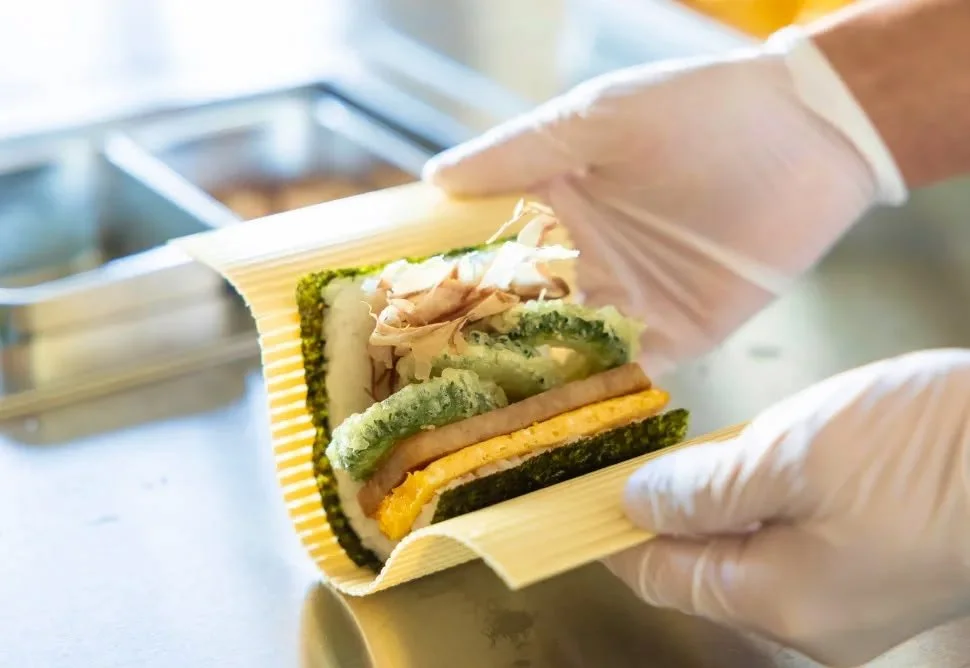
Pork Tamago Onigiri, Naha
Spam, egg, seaweed, hand-pressed to order. Okinawa's relationship with Spam is historical and it produced something genuinely great. Don't judge it before you try it.
Most people stop at the Five Lakes. The peninsula keeps going — bears, waterfalls, coastline that looks like nowhere else in Japan. Follow it.
Shiretoko — go to the end
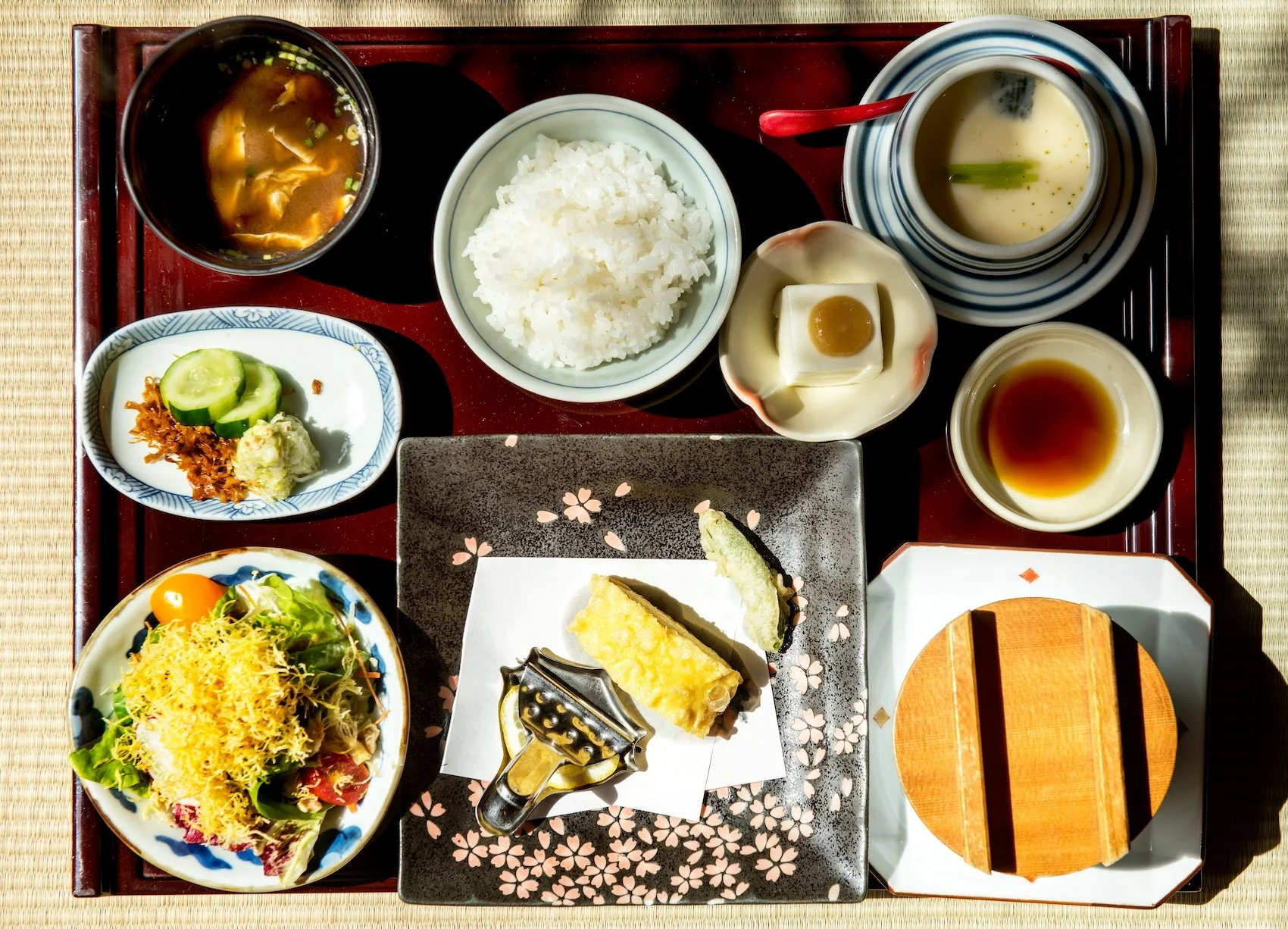
Where We Eat
Our Go To’s
Easy. Casual. Reliable. Delicious.
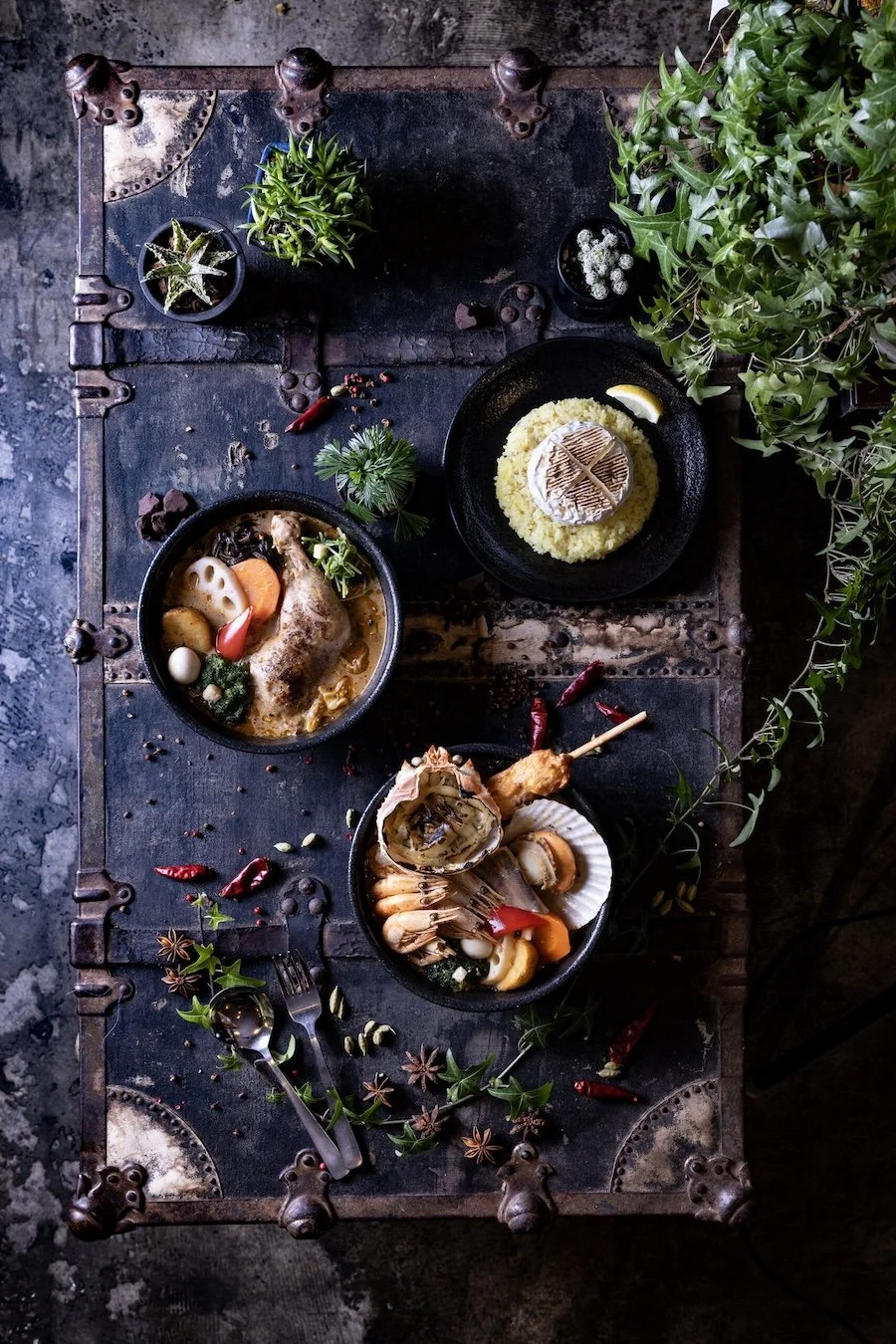
Soup Curry Garaku
Address: 2-6 Minami 2 Jonishi, Chuo Ward, Sapporo
Vibe: Casual, cozy, Hokkaido staple
Price: $
Must order: Chicken leg soup curry; spice level adjusted to taste
Soup curry is a Sapporo essential, and Garaku is one of the most reliable places to understand why. The broth is deeply spiced but never muddy, layered with vegetables that feel deliberately chosen rather than decorative. It’s warming, grounding, and endlessly customizable — the kind of meal locals actually crave when temperatures drop. Casual, comforting, and deeply tied to place, this is a true northern go-to.
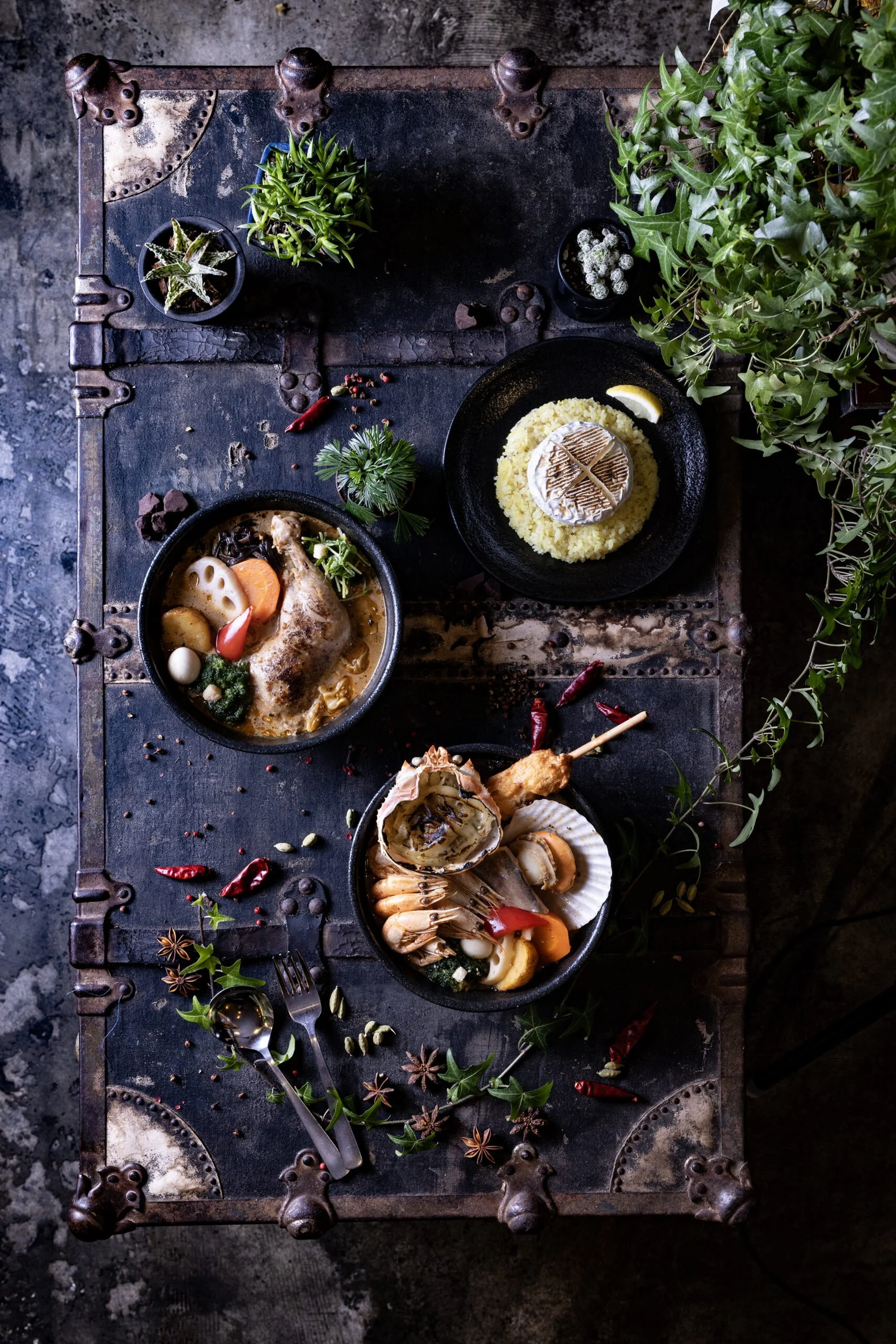
Image courtesy of Soup Curry Garaku
Hanamaru
Address: Multiple locations; Stellar Place (JR Sapporo Station) is the easiest
Vibe: Bustling, efficient, quality-driven
Price: $
Must order: Seasonal Hokkaido fish; scallop; salmon roe when available
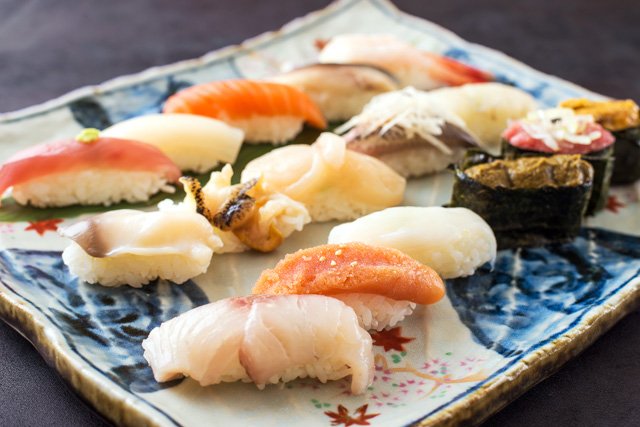
Nemuro Hanamaru consistently delivers some of the best casual sushi in Hokkaido. Sourced directly from eastern Hokkaido waters, the fish is fresh, generously cut, and priced far more reasonably than it would be in Tokyo. It’s fast-paced and unpretentious, but the quality speaks for itself — an easy, repeatable win whether you’re passing through or staying put.
Image courtesy of Hanamaru
Mikasa
Address: 1-3-6 Tsuboya, Naha, Okinawa
Vibe: Local, old-school, unapologetic
Price: $
Must order: Goya champuru; tofu dishes; anything pork-based
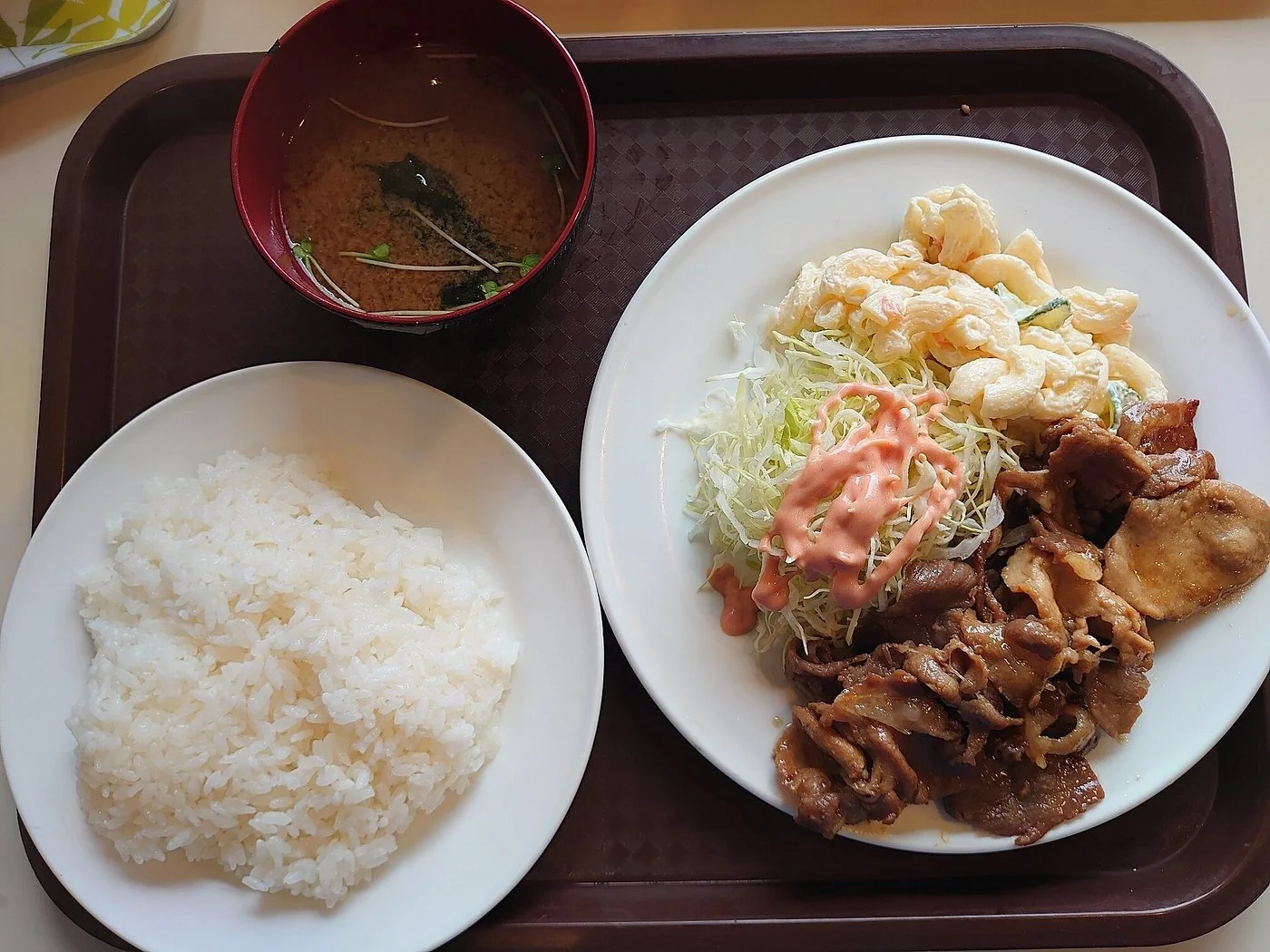
Mikasa is the kind of place you’d miss if you only followed guidebooks — simple tables, quick service, and deeply comforting Okinawan home cooking. Dishes are hearty, savory, and grounded in the island’s culinary identity, especially pork and tofu preparations. It’s casual to the point of bluntness, but incredibly satisfying, and a great reminder that Okinawan food plays by its own rules.
Image courtesy of Tripadvisor
Where We Wake Up
We take breakfast seriously.
Morihico Coffee
Address: Multiple locations; Odori branch at Nishi 10, Chuo Ward, Sapporo
Vibe: Thoughtful, warm, specialist
Price: $$
Must-order: Single-origin drip; morning toast set with butter and jam; any seasonal blend
Image courtesy of Morihico Coffee
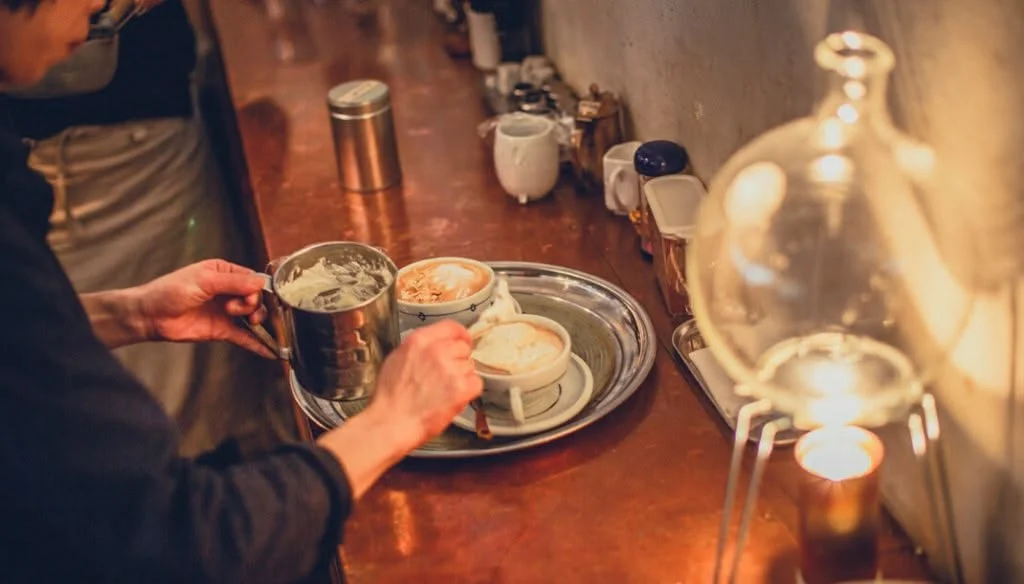
Sapporo's most serious specialty coffee roaster, with several locations around the city ranging from small neighborhood cafés to a larger, design-forward space in Odori. The beans are excellent, the interiors are warm and considered, and the morning sets are exactly what you want after a night that got cold. The roaster has been operating since 1996 and shows no interest in trends.
Pork Tamago Onigiri Honten
Address: 2-8-35 Matsuo, Naha, Okinawa (Makishi Market; airport domestic terminal branch also available)
Vibe: Fast, local, no-ceremony — Okinawan soul food in its most direct form
Price: $
Must-order: Classic pork and egg; shrimp tempura with tartar. Let the staff choose if you can't decide — every combination works.
Image courtesy of Pork Tomago Onigiri
Okinawa's relationship with Spam is not ironic. It's historical — American military presence, wartime rationing, and a local palate that adopted the ingredient and made it completely its own. Pork Tamago Onigiri Honten is the purest expression of that story: a counter inside Makishi Market where staff in floral aprons hand-press onigiri to order, each one built on a thick slab of Spam and egg, wrapped tight with seaweed. The line is always there. It moves.
Street Eats
Cheap and legendary.
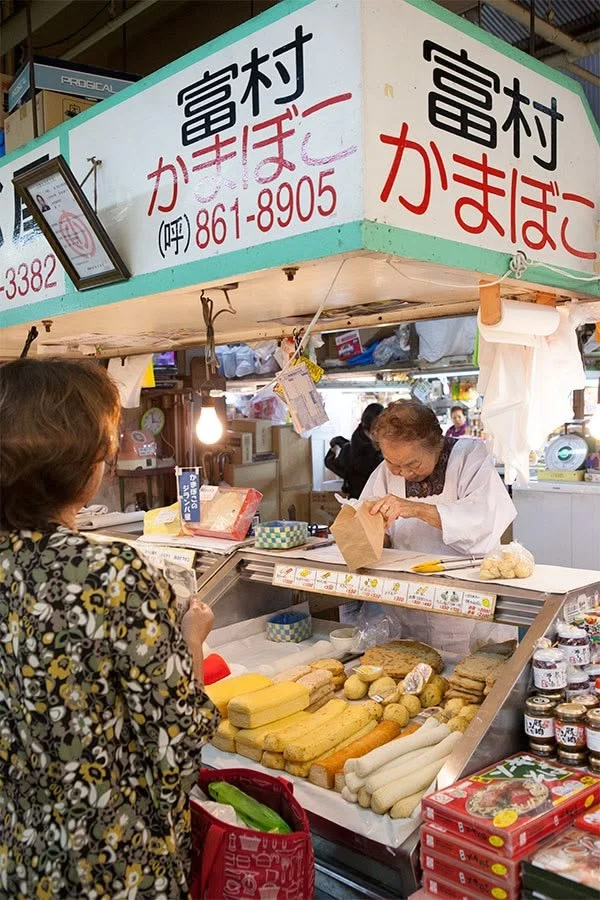
Hakodate Morning Market
Address: Wakamatsucho, Hakodate, Hokkaido (adjacent to JR Hakodate Station)
Vibe: Early, cold, deeply worth it
Price: $
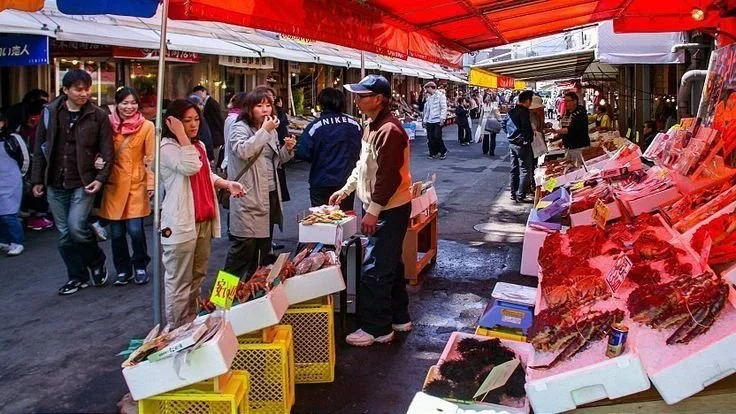
Must-order: Uni don (sea urchin on rice) — get two if the first one is good, and it will be; ikura (salmon roe); fresh squid sashimi
Image courtesy of Japan Guide
Hakodate's morning market opens at 5am and runs until noon, and the first two hours are the ones worth being awake for. The sea urchin from Hokkaido's waters is among the best in the world — briny, sweet, and nothing like what you've had elsewhere. Several stalls sell it direct on rice, in small bowls, with minimal ceremony. The squid tanks allow you to fish your own if that's the kind of morning you want to have. Get there early.
A&W
Address: Multiple locations across Okinawa; Naha airport branch is the most convenient
Vibe: American retro, island casual, genuinely fun
Price: $
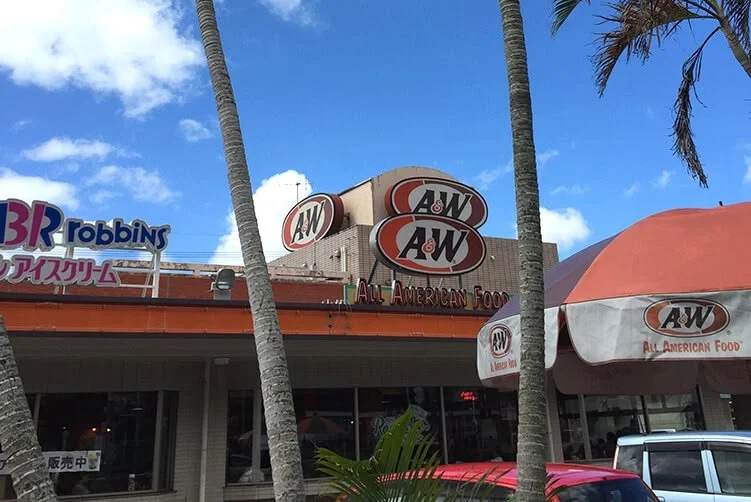
Must-order: Root beer float in a frosted mug; Mozaburger (the local specialty); curly fries
Image courtesy of A&W Okinawa
Every island has its own fast food logic and Okinawa's is A&W, which has operated here since 1963 — the first American fast food chain in Japan, introduced during the US occupation, and never left. The root beer is cold and comes in frosted mugs. The curly fries are correct. It is completely unpretentious and completely of this place. You will feel like you're in neither Japan nor America and that is the entire point of Okinawa.
Makishi Public Market
Address: 2-1 Matsuo, Naha, Okinawa (Makishi, near Kokusai-dori)
Vibe: Market, communal, interactive
Price: $
Must-order: Whatever looks strangest at the fish counter; mimi-gaa (pig ear salad) from the deli section; fresh sea grapes (umi-budo) eaten immediately
Image courtesy of Okinawa Island Guide
Naha's covered public market is the one where you buy your fish on the ground floor and take it upstairs to one of the restaurants to have it cooked. That's the entire system and it works perfectly. The fish counter sells everything from tuna to the bright-colored tropical fish unique to Okinawan waters. The restaurants upstairs charge a small cooking fee. Bring something you've never seen before and ask what to do with it.
Sapporo Ramen Alley
Address: Ramen Yokocho, South 5 West 3, Chuo Ward, Sapporo
Vibe: Narrow, smoky, old-school, correct
Price: $
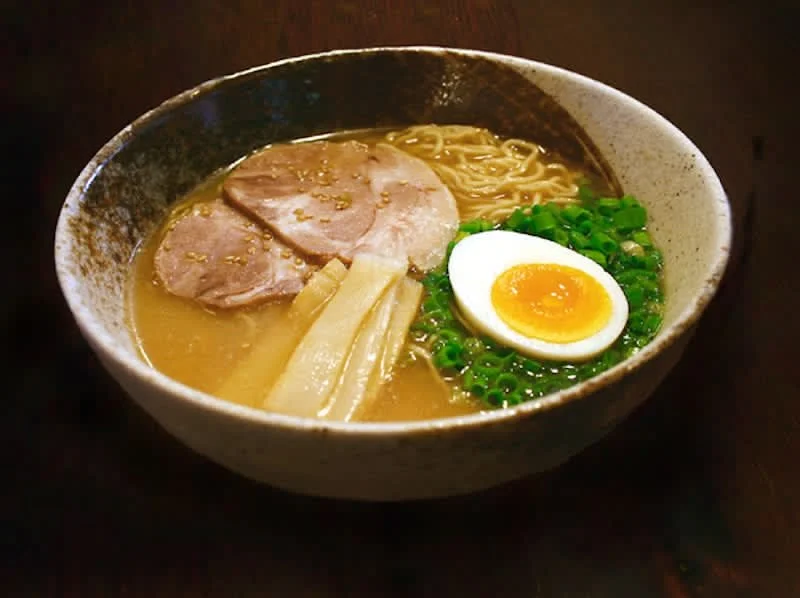
Must-order: Miso ramen with butter and corn; extra noodles; gyoza on the side from wherever has them
Image courtesy of JNTO
Ramen Yokocho in Susukino — a narrow alley barely wide enough for two people — has been running since 1951. Seventeen shops, all serving Sapporo-style miso ramen with corn, butter, and noodles built for weather that gets genuinely brutal. Each shop has its own recipe and loyal regulars. The right move is to arrive after 8pm when the alley is fully lit, pick the counter with the most locals, and order whatever the house specialty is. Do not overthink it.
Sweet Tooth
Desserts and such.
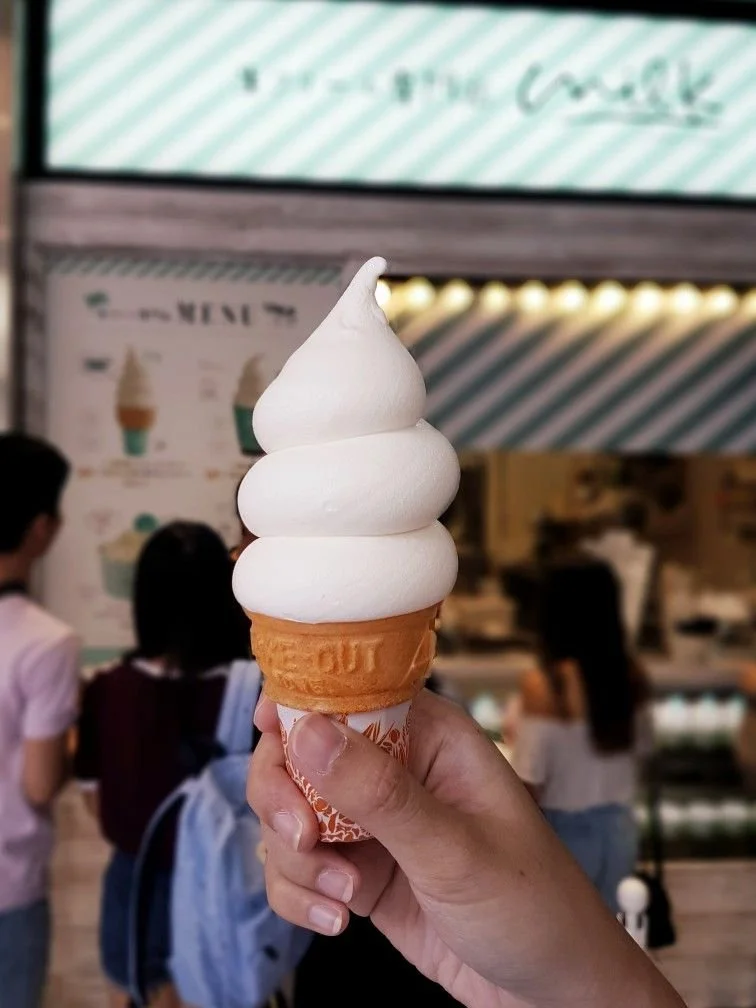

Hokkaido Soft Serve
Address: Farm Milk Garden — Ebetsu, Hokkaido / Farm Tomita — Nakafurano, Hokkaido / Shiroi Koibito Park — 2-11-36 Miyanosawa 2-jo, Nishi Ward, Sapporo
Vibe: Farm-fresh, unpretentious, pure
Price: $
Must-order: Plain milk soft serve — don't overthink the flavors; lavender at Farm Tomita in June and July only; Shiroi Koibito white chocolate swirl for the souvenir version
Image courtesy of Bryce Mercury
Hokkaido is Japan's dairy prefecture and takes that identity seriously. The soft serve here — made with milk from cows that eat grass in a climate that produces genuinely exceptional dairy — is in a completely different category from what you get in Tokyo or Osaka. It's richer, creamier, and cleaner-tasting, and it is available at almost every farm, rest stop, and tourist attraction in the prefecture. The best versions: Machimura Farm Milk Garden in Ebetsu (the purest, most milk-forward), Farm Tomita in Furano (lavender soft serve in season), and the Shiroi Koibito Park café in Sapporo (the most convenient).
Blue Seal Ice Cream
Address: Multiple locations; flagship at 1-5-8 Urasoe, Urasoe, Okinawa
Vibe: Retro American meets Okinawan, casual, genuinely beloved
Price: $
Must-order: Beni-imo (purple sweet potato) — non-negotiable; shikuwasa sorbet; salt cookie when available; double scoop to try two flavors
Image courtesy of Blue Seal Ice Cream
Blue Seal has been making ice cream in Okinawa since 1948, introduced during the American occupation and fully absorbed into the island's food identity since. The flavors that matter are the Okinawan ones: beni-imo (purple sweet potato), salt cookie, shikuwasa (local citrus), and Okinawan brown sugar. The purple sweet potato is the one — earthy, slightly sweet, completely specific to this place. Multiple locations across Naha and the island.
The Night Starts Here
The best kind of pregame.
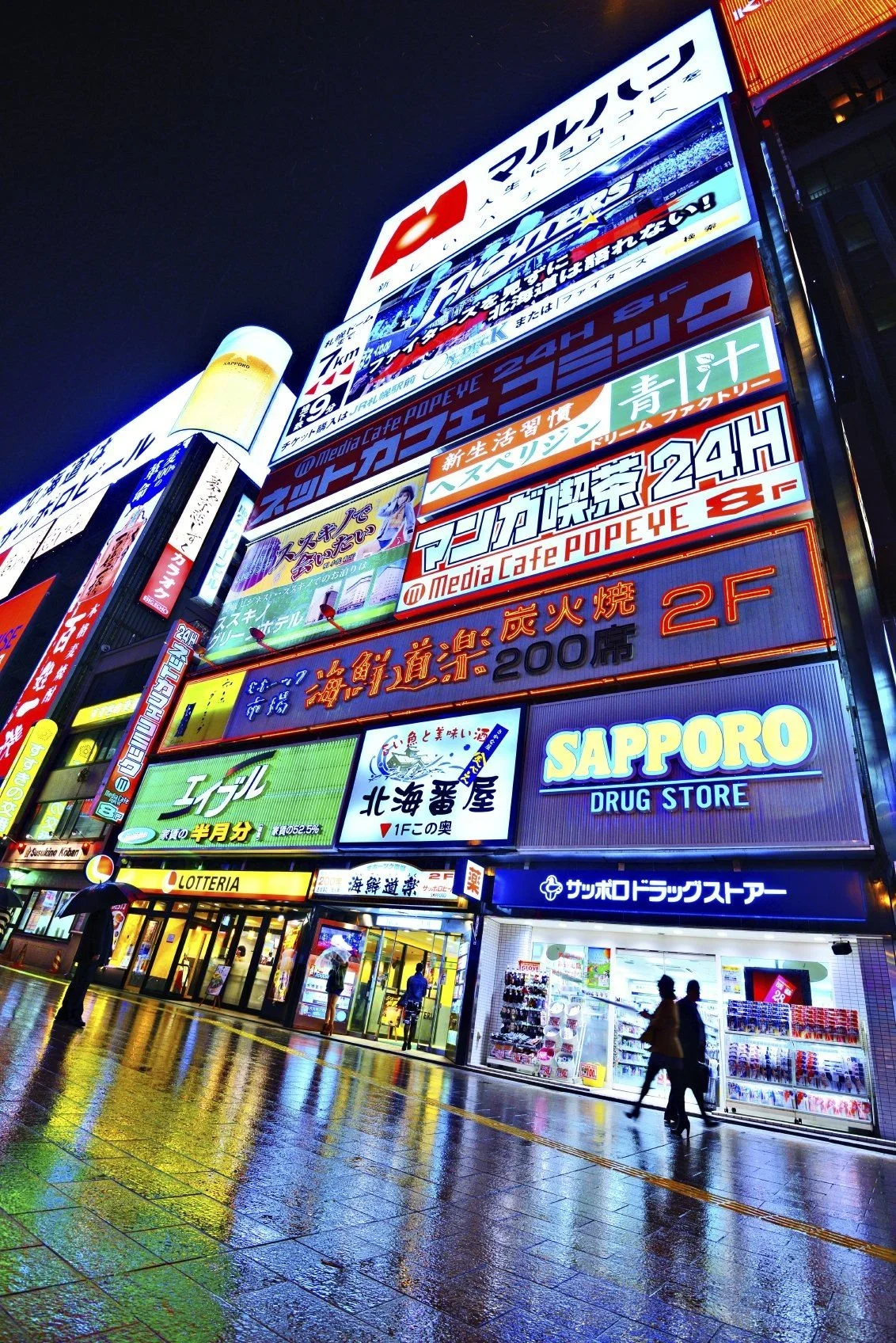
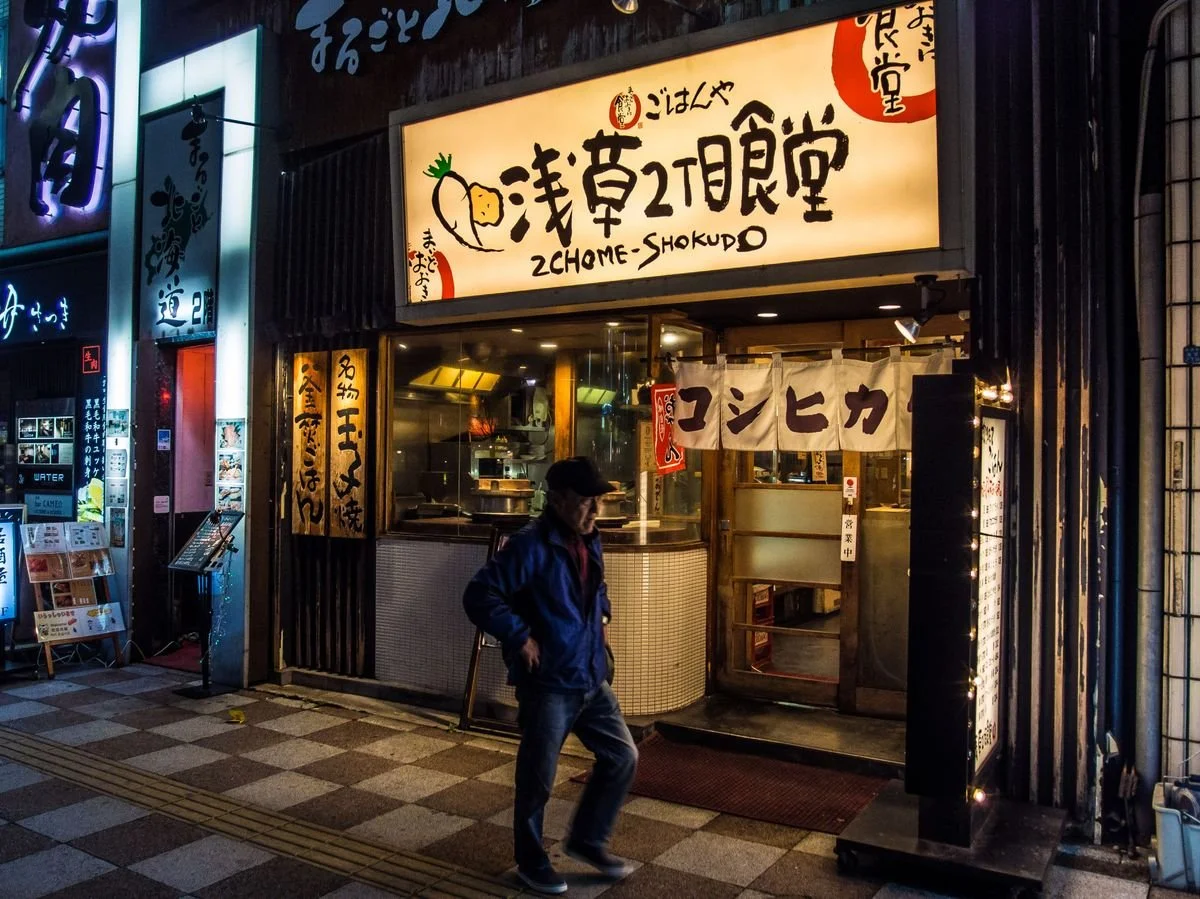
Susukino
Address: Susukino district, Chuo Ward, Sapporo — centered on Minami 4 and 5, West 3 to 6
Vibe: Northern city at night — rougher around the edges than Tokyo, completely genuine
Price: $
Must-order: Nikka whisky highball — the local choice, always right; ramen at 2am when the bars close, from Ramen Yokocho one block over
Image courtesy of Banker In The Sun
Susukino is Sapporo's entertainment district and one of the largest nightlife zones in Japan outside Tokyo and Osaka. The approach: walk Minami 4 and 5, find a yakitori counter that's full, sit down, eat, drink. The whisky highballs in Hokkaido are better than anywhere else in Japan — the water is softer, the ice is cut properly, and the local Nikka distillery is forty minutes away. Bar Yamazaki in Susukino is one of the most respected whisky bars in the region if you want to go specific; otherwise just wander and follow the smoke.
Kokusai-dori After Dark
Address: Kokusai-dori, Naha, Okinawa — runs from Kencho-mae to Makishi
Vibe: Island loose, spirit-forward, distinctly Okinawan
Price: $
Must-order: Awamori on the rocks or with a splash of water — never mix it with juice, the flavor is the point; Orion beer as a chaser; goya chips and tofuyo (fermented tofu) alongside
Image courtesy of Grigoris A. Miliaresis
Okinawa's nightlife runs on awamori — the island's indigenous spirit, distilled from long-grain rice and aged in clay pots, stronger and earthier than sake. Kokusai-dori is the main boulevard through Naha and by night it fills with awamori bars where you pour your own from ceramic carafes and order goya chips and pork jerky on the side. Chakra and Bar Rehab are two of the most consistent spots on the strip for actual cocktails; for awamori in its purest form, find any bar with clay pots on the shelf and no English menu.
Where We Sleep
$ - $$
Otaru Ryotei Kuramure
Hokkaido
Location: Asarigawa Onsen, Otaru, Hokkaido
Price: ~$400/night
Vibe: Remote, all-in, architecturally stunning

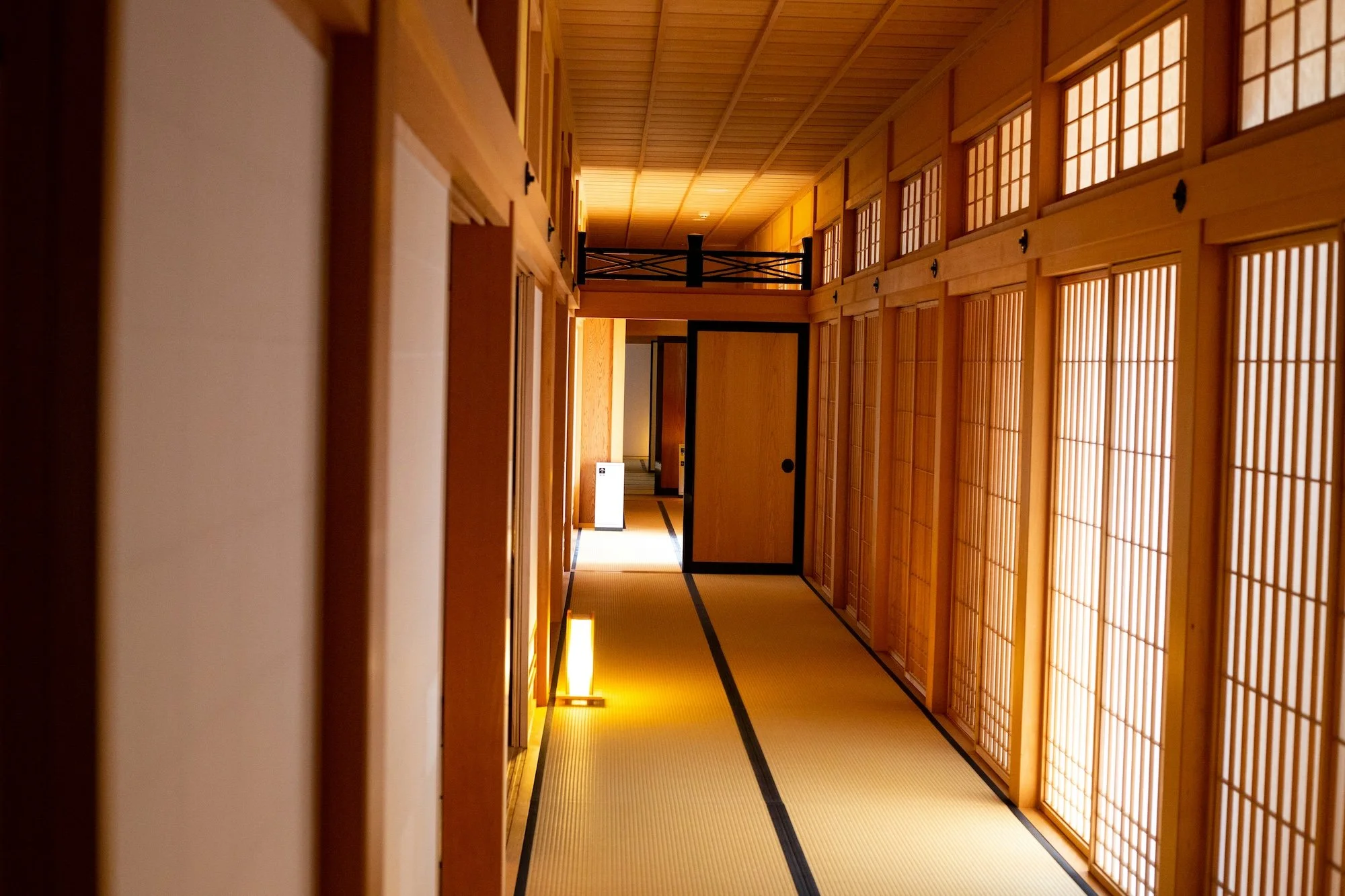
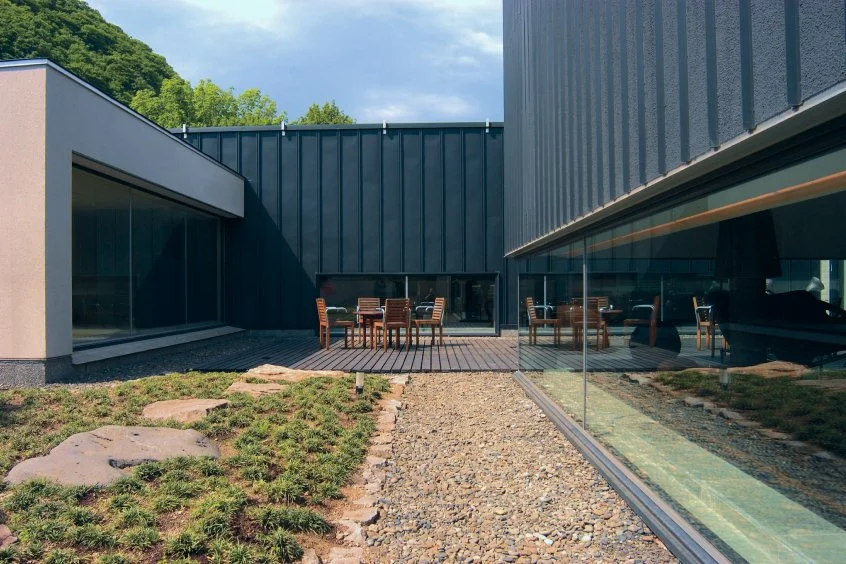
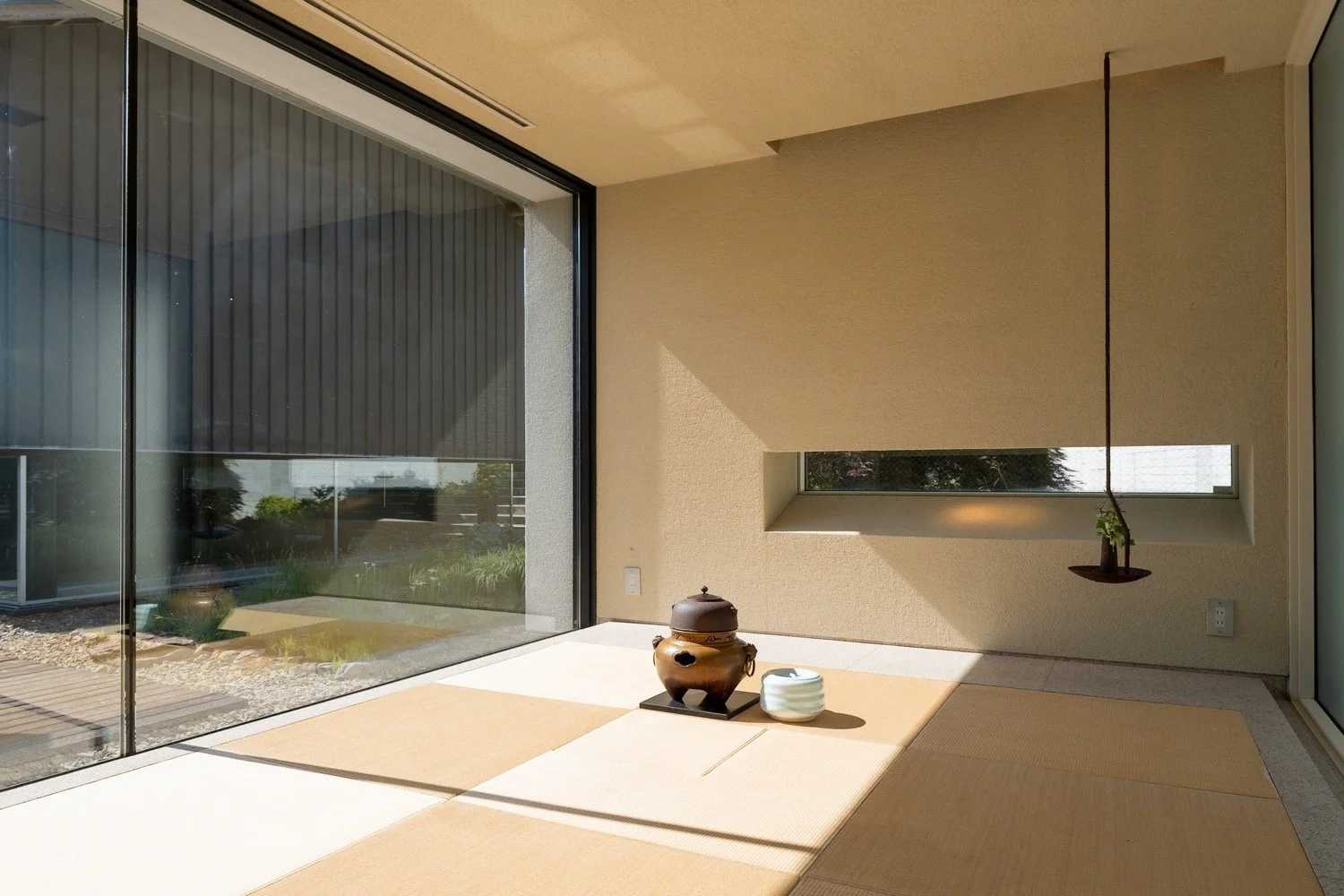
Eighteen rooms designed by architect Makoto Nakayama inside converted Hokkaido storehouses at the edge of Asarigawa Onsen — every room with its own private onsen, every meal served in a private dining room, all drinks including alcohol available around the clock at no extra charge. The all-inclusive model here is genuine: you arrive, you never think about a bill, you leave. The kaiseki uses Otaru seafood and Hokkaido produce at their seasonal peak. In winter, book the crab plan — horsehair crab and king crab from the Sea of Japan, December through March.
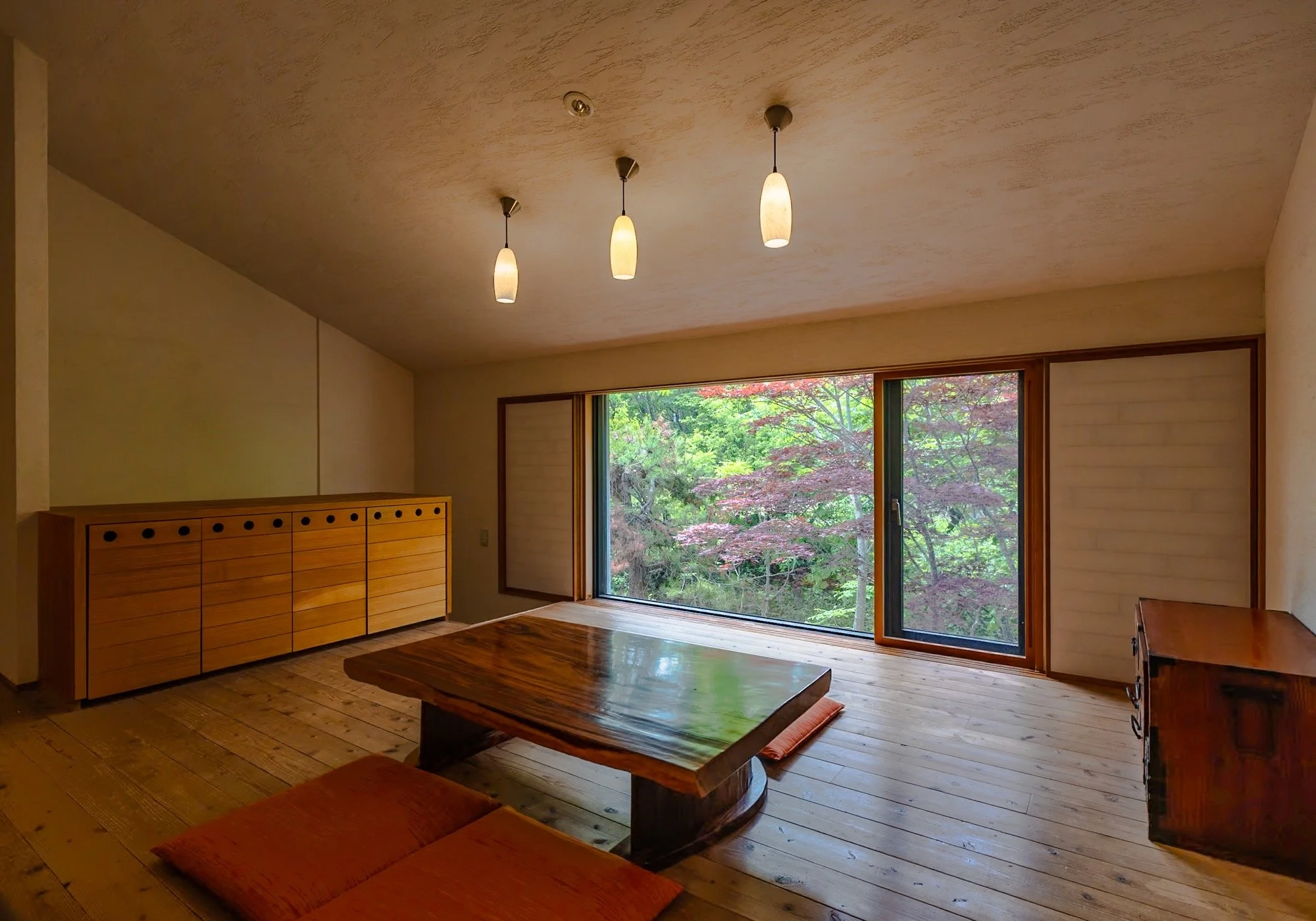
18 rooms, all with private onsen — the two-storey rooms work well for groups of three or four
Truly all-inclusive: food, alcohol, room service, café, bar — everything covered from the moment you arrive
Kaiseki served at 6pm or 7pm in private dining rooms — you never share a restaurant with other guests
Located 2.5 miles from central Otaru; shuttle available but a car makes things easier — factor this in
New companion property Onko Chishin opened June 2025 on the same site — worth checking if you want a different room style
Winter crab plan (Dec–Mar) is the peak experience — book it if dates align
Location is genuinely remote from Otaru's canal district. If you want to explore Otaru town, plan for it — you're not walking there from here. If you want to do absolutely nothing but eat, soak, and sleep, that's the point.
All images courtesy of Otaru Ryotei Kuramure
$$$ - $$$$
Zaborin
Hokkaido
Location: Hanazono, Kutchan, Hokkaido — Niseko area
Price: ~$1,000/night
Vibe: Niseko's best-kept secret. Michelin five red pavilions. Private onsen in the snow.
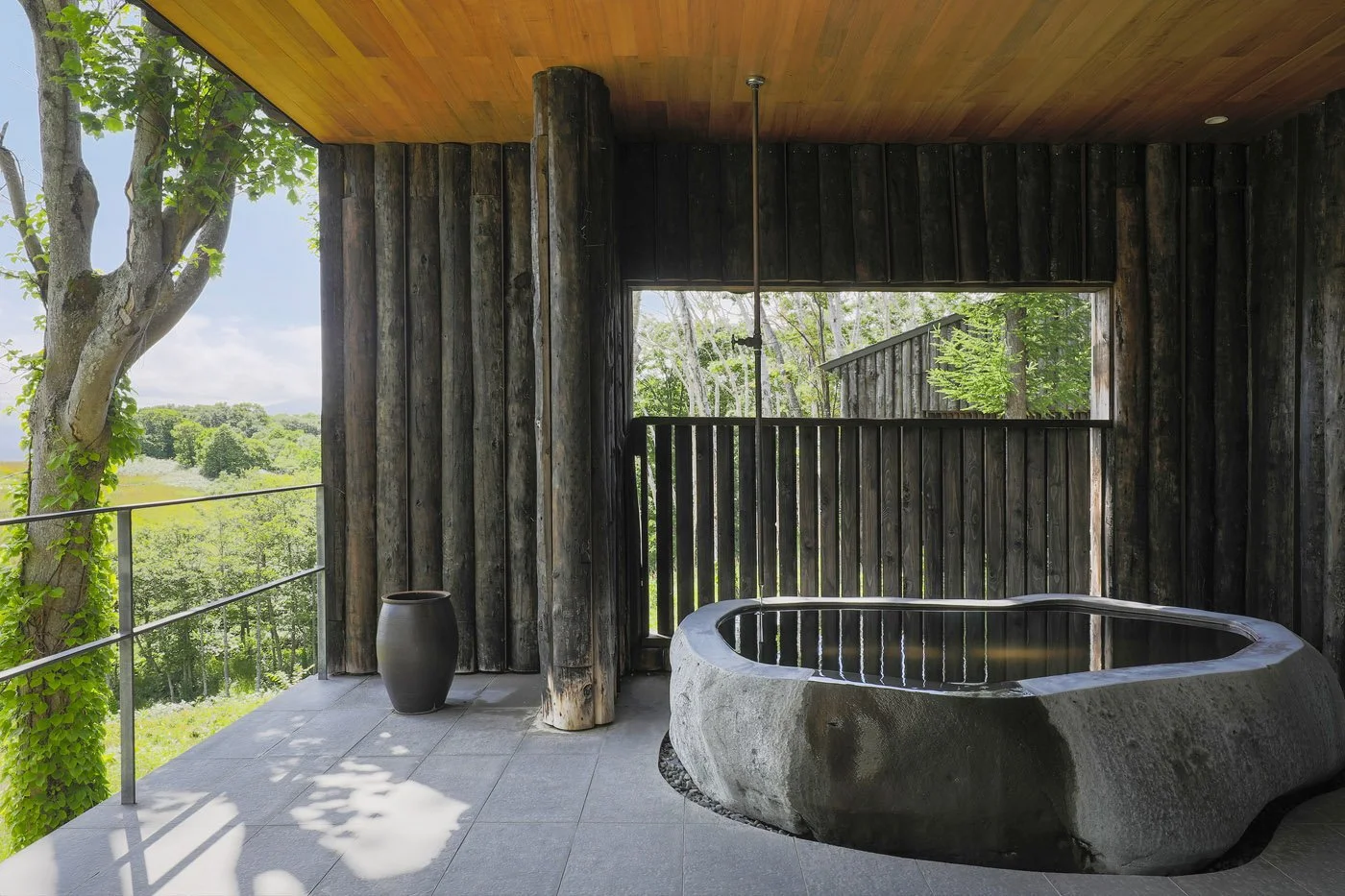
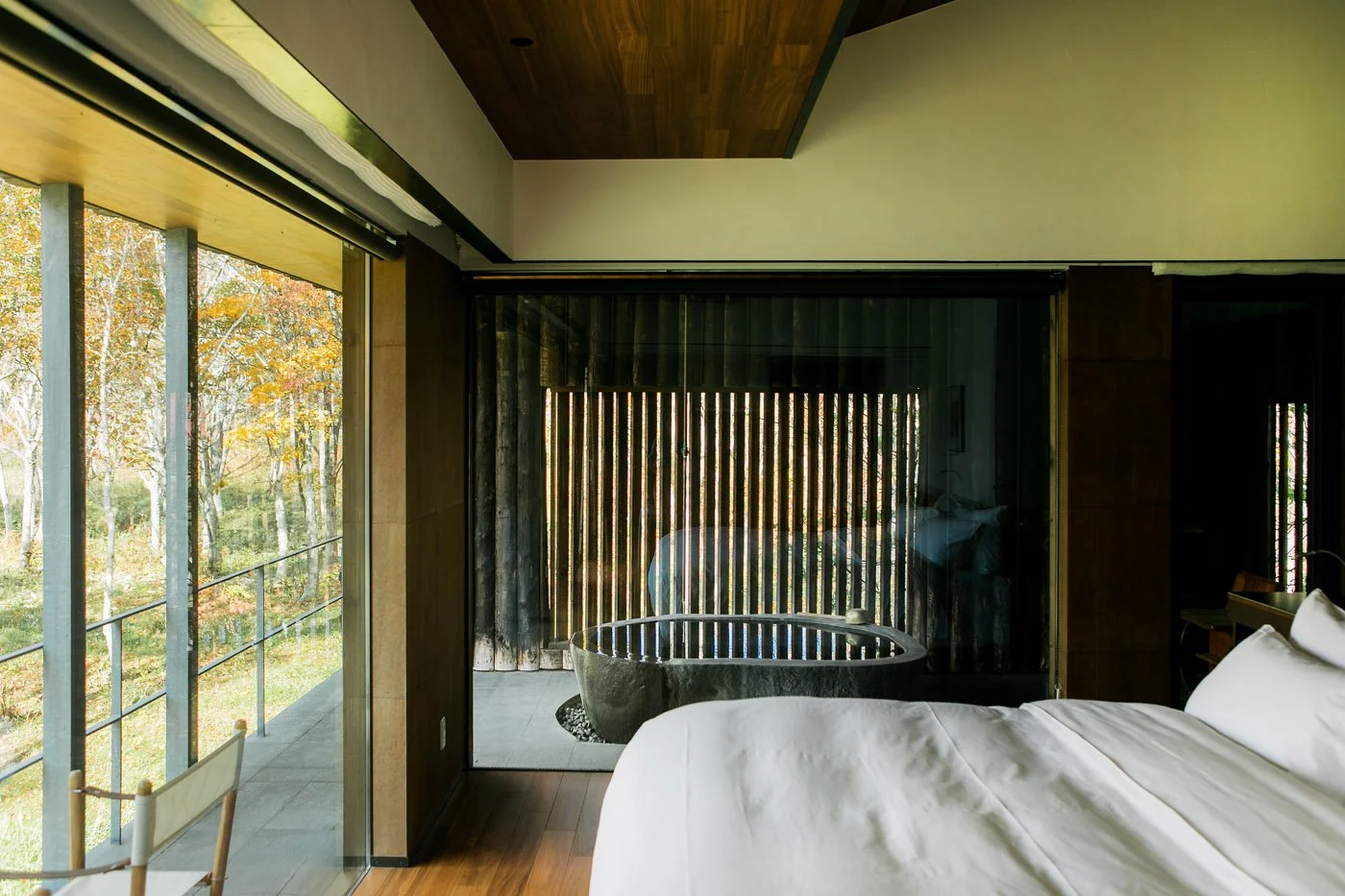
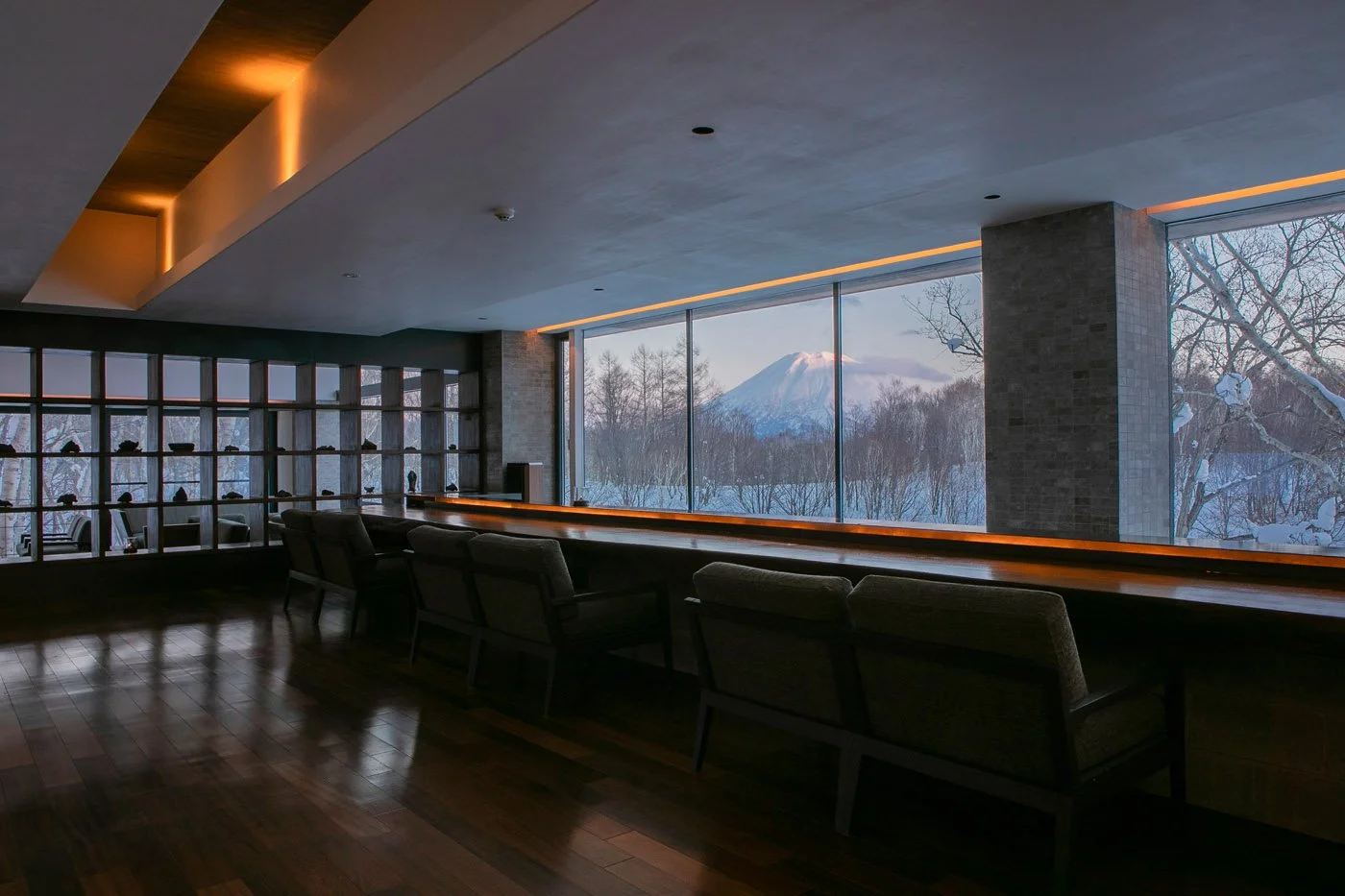
Fifteen villas in the forest near Niseko, each with both indoor and outdoor private onsen, designed by architect Makoto Nakayama around the Zen concept of "sitting and forgetting." The onsen is yours alone. Dinner is a 10-course kaiseki using Hokkaido's extraordinary produce; breakfast runs 7-8 courses. The wine list is serious and fairly priced. Mount Yotei — Hokkaido's perfectly conical volcano — is visible from the property. In winter the outdoor bath in the snow is one of those experiences that earns the price on its own. Michelin five red pavilions 2017.
15 villas, all with private indoor and outdoor onsen — no public bath, total privacy throughout
Rates include multi-course kaiseki dinner and Japanese breakfast — factor this into the price comparison
Winter is peak season — Niseko powder skiing is 20 minutes away; the après experience here is unlike any ski lodge you've stayed at
Summer and autumn are significantly quieter and cheaper — the forest and the onsen work in every season
Access from New Chitose Airport: ~2hr 40min by bus to Niseko, then hotel shuttle (advance booking required)
The outdoor onsen in heavy snowfall is specifically what people fly to Japan for — plan your timing accordingly
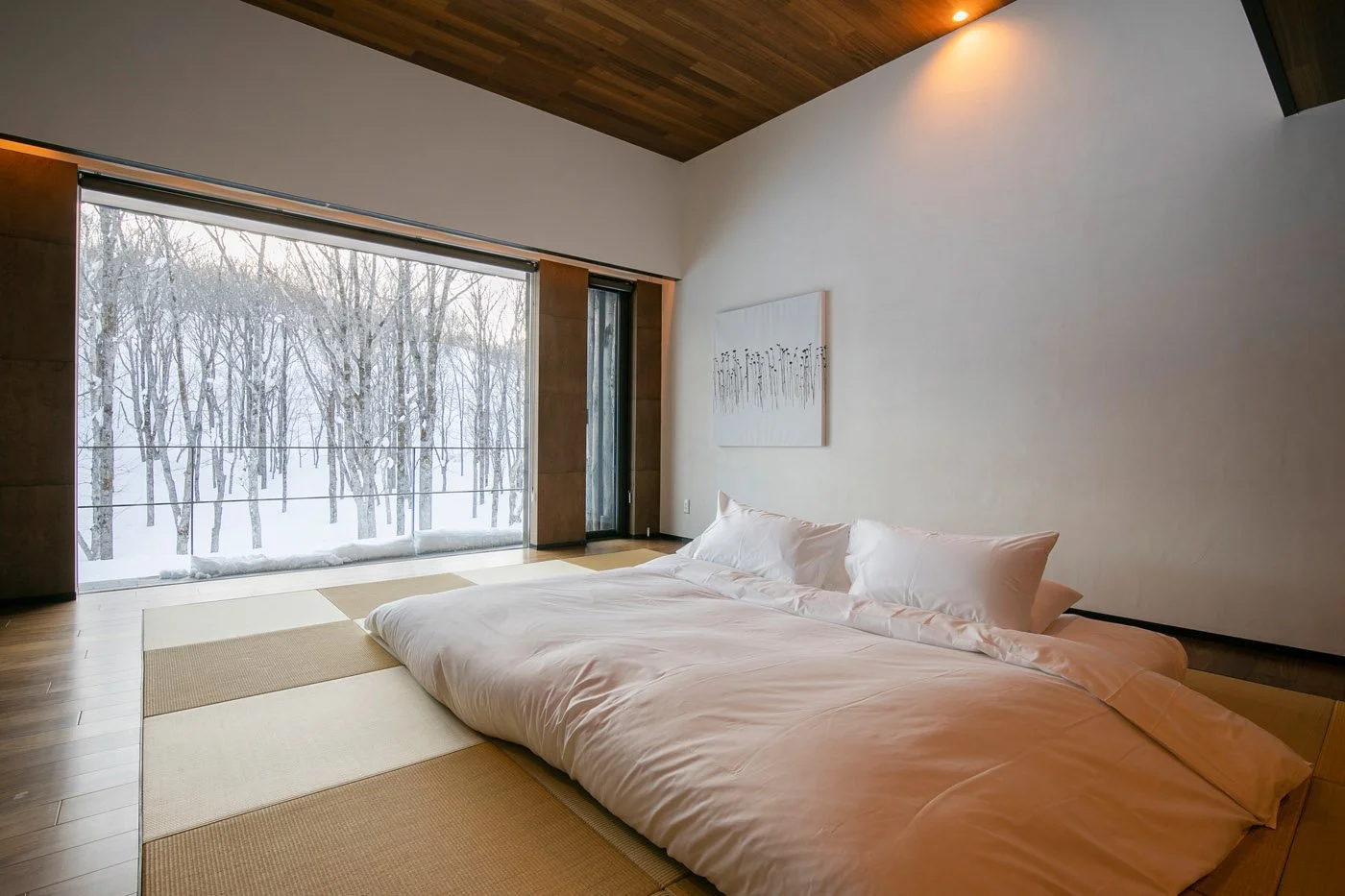
The beds tend to run warm — the heavy futon layering is traditional but can be uncomfortable for warm sleepers. Flag it and they'll adjust. Everything else about this place is as good as the reviews say.
All images courtesy of Zaborin
What We Do
Sapporo Ramen Crawl
What’s Included:
Guided walk through Ganso Sapporo Ramen Yokocho with local expert
Two shops, ¥1,000 tasting credit at each — enough for a signature bowl
History of the alley and how Sapporo miso ramen became a national icon
2 hours; meet in front of FamilyMart Sapporo Susukino — guide holds yellow "DeepExperience" sign
Pair It With:
Do this as your first night in Sapporo — you'll leave knowing the alley, knowing the shops, and knowing exactly what you'd order on the way back from a bar at midnight. Because you will come back.
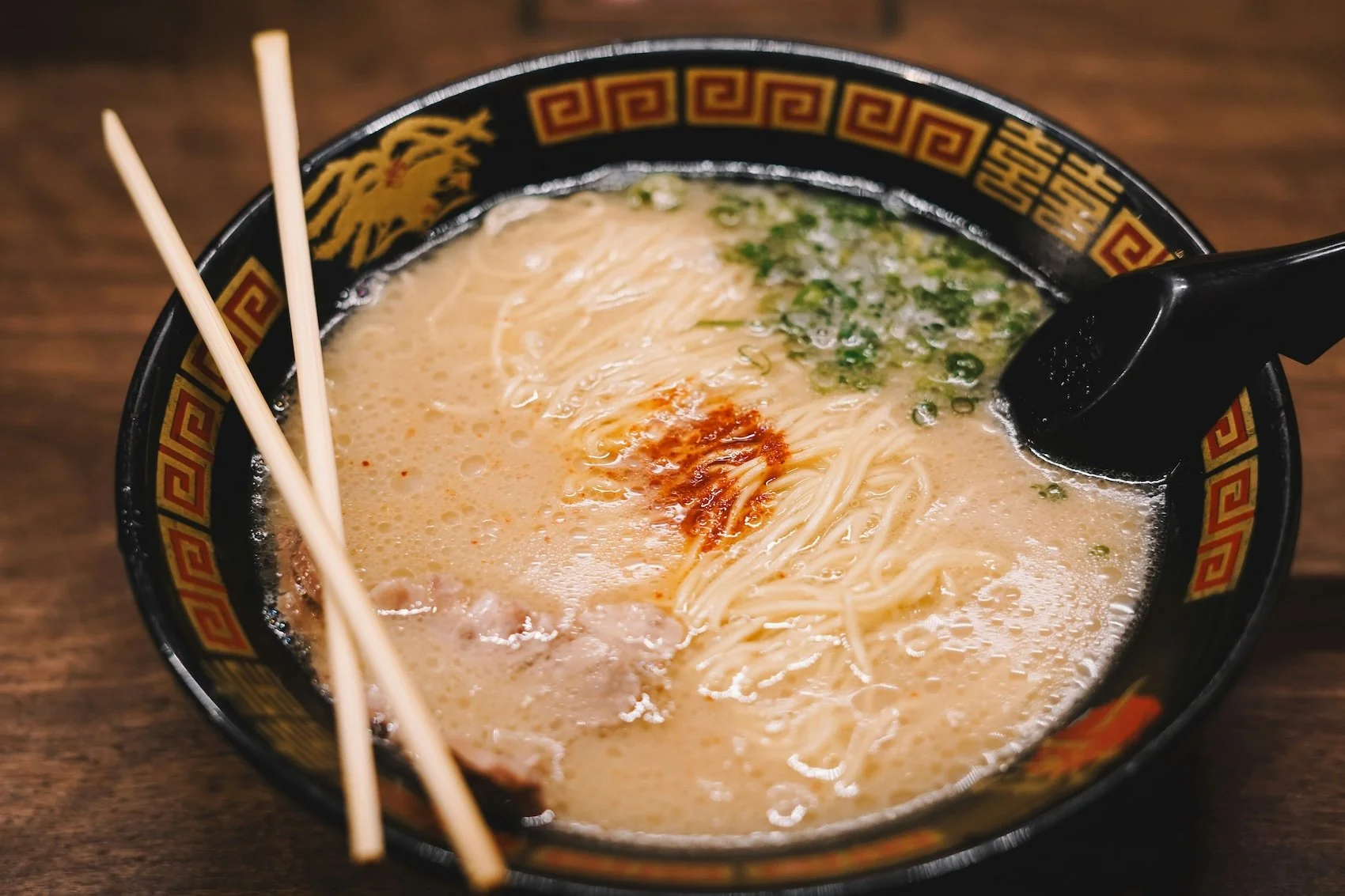
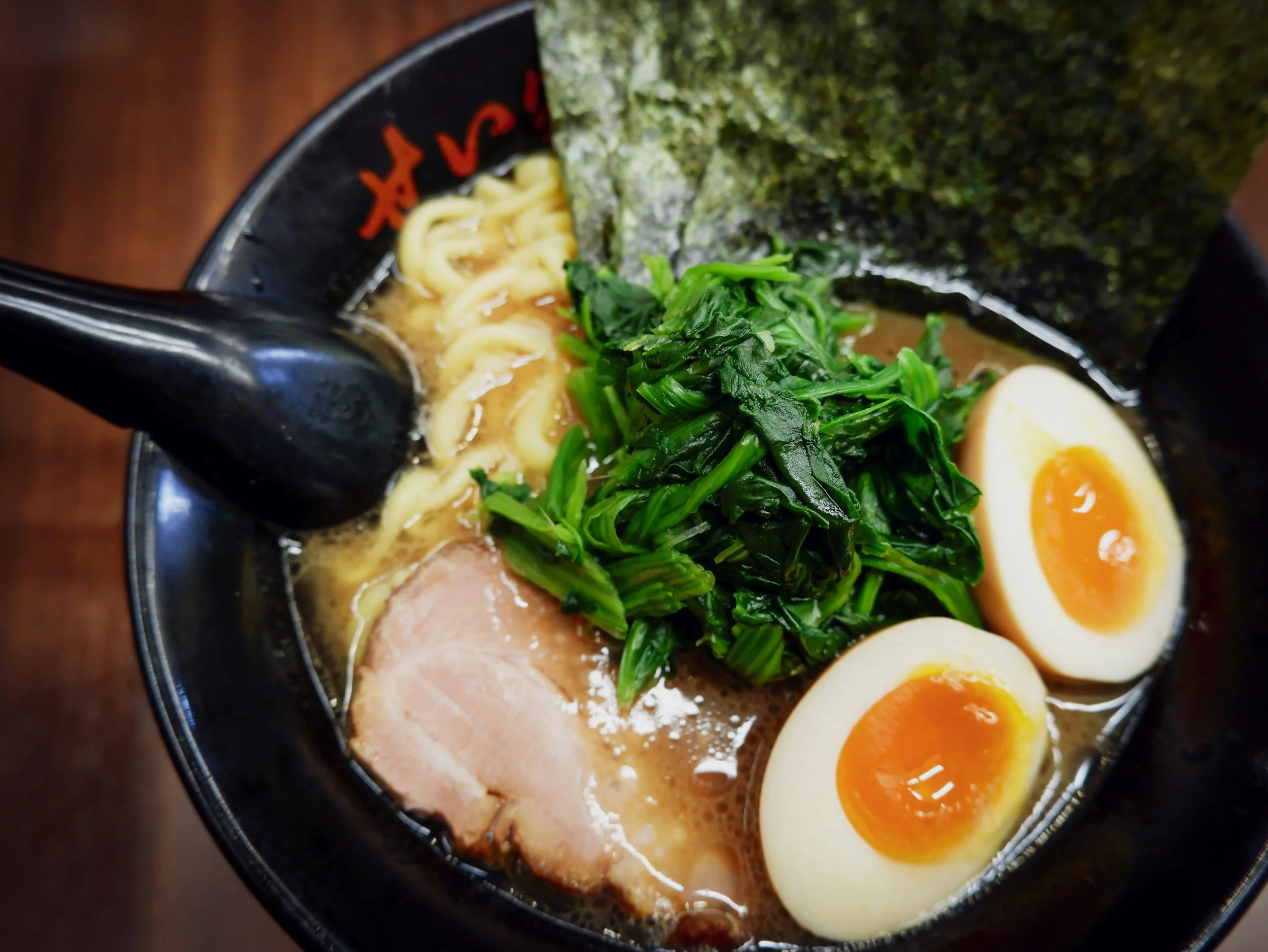
Sapporo miso ramen was born in this alley in 1948. Not a myth — eight stalls opened in a single narrow corridor in Susukino to feed locals through brutal Hokkaido winters. Seventeen shops now line the 42-meter alley, each with its own recipe and loyal following. You can do it guided — a local takes you to two pre-selected shops, explains the history, and handles the ordering — or go solo, which is also easy since most shops have English menus. If you go alone, here's where to focus:
Teshikaga Ramen — nine counter seats, always a line. The Hokkaido Zenbu Nose Miso Ramen is the order. It sells out most nights. Come early or accept the wait.
Aji no Karyu — founded 1965, famously served Anthony Bourdain, legendarily grumpy chef. The traditional miso is the one.
Shimijimi — the sleeper pick. Clam-based broth instead of the standard miso — lighter, more oceanic, completely its own thing. The shijimi miso ramen is the specific order.
Location: Ganso Sapporo Ramen Yokocho, 1F N·Grande Building, 3-6 Minami 5-jo Nishi, Chuo Ward, Sapporo — 2-minute walk from Exit 3, Susukino Station (Namboku Line)
Price: Solo: ¥800–¥1,200 per bowl (~$5–8). Guided tour: ~$30–$40 USD including ¥2,000 tasting credits
Vibe: Postwar neon, smoke, counter seats, completely essential
Need to Know: Alley runs noon until late — midnight is when it gets its best energy, full of people who've been drinking in Susukino and need something warm. November 11th the entire alley runs 50% off all day. Solo visitors: just walk in, point at what you want, they'll handle it.
Niseko Powder Skiing
What’s Included (Self-Guided or Guided):
Niseko United — four interconnected resorts on a single all-mountain lift pass
15–18 meters of snowfall per season
Night skiing until 10pm in Grand Hirafu
Hanazono Powder Guides — the only official resort-operated backcountry guide service in Niseko, with exclusive First Tracks access before the lifts open to the public
NEST813 summit restaurant at the top of the Ace Gondola (813 meters, panoramic Mount Yotei views, open kitchen)
Pair It With:
Zaborin is fifteen minutes from the slopes and has a private outdoor onsen for every villa.
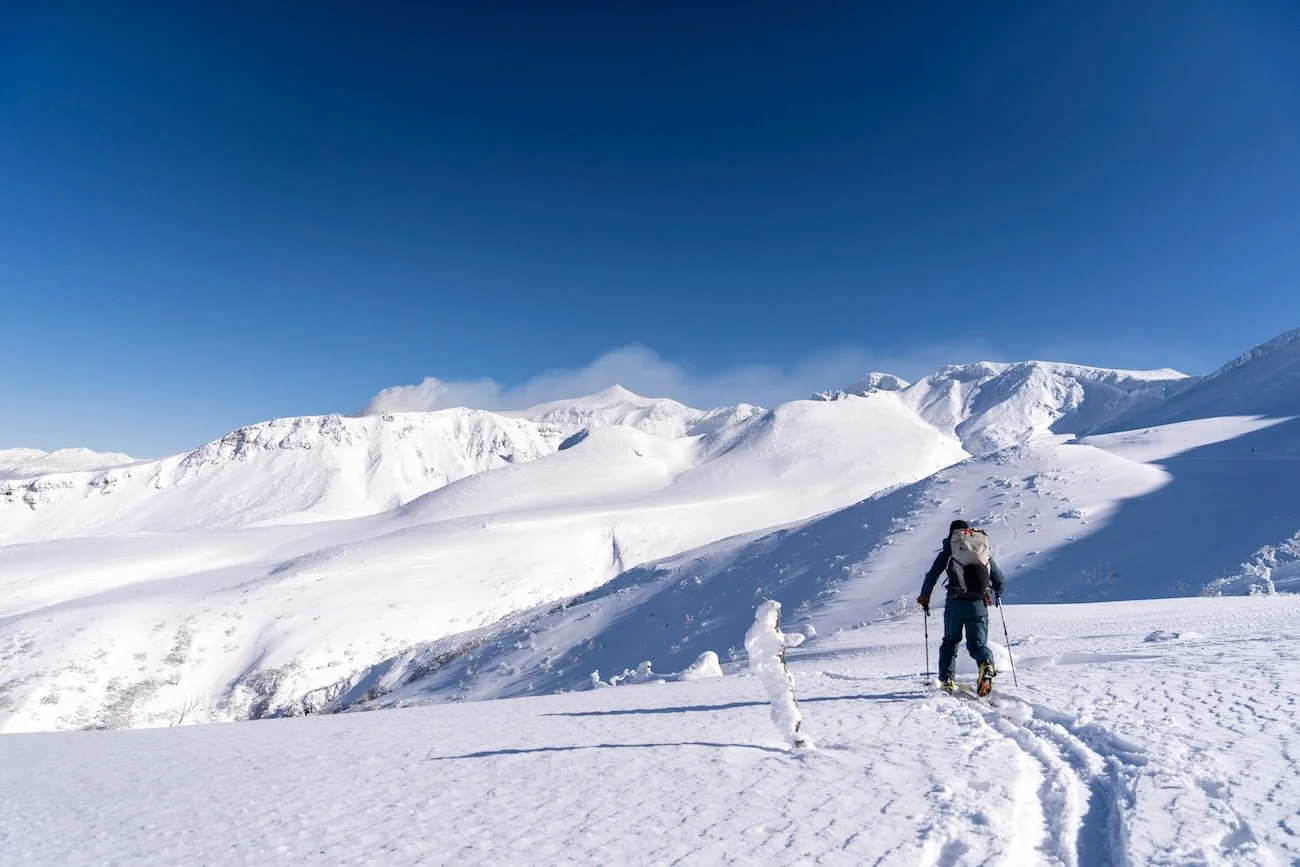
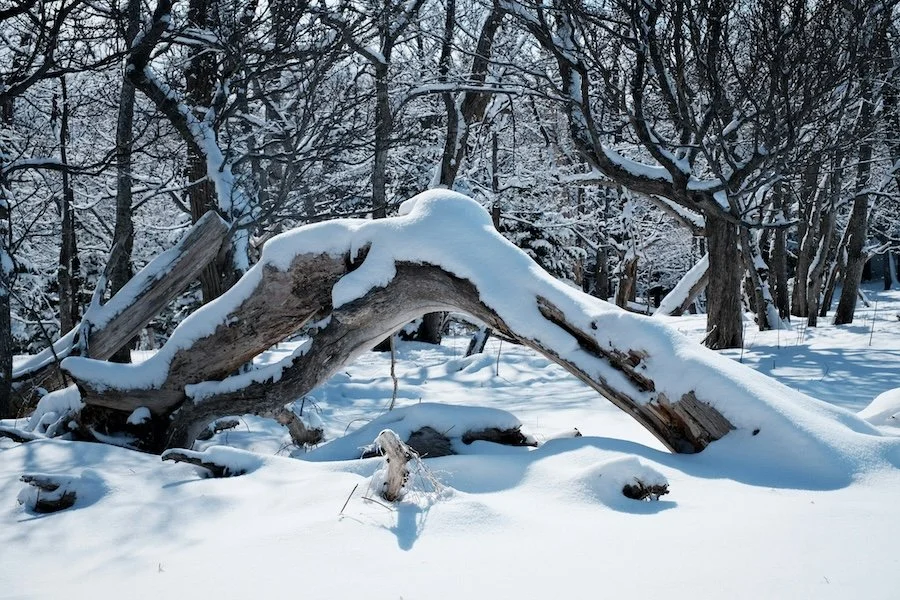
Niseko gets 15–18 meters of snowfall a season. That number is not a marketing figure — it's what makes this the most consistently excellent powder skiing destination in the world outside of a handful of North American exceptions, and even those don't have Japan's food, onsen, and cultural infrastructure around them. Grand Hirafu is the main resort and the most international — English everywhere, hundreds of restaurants and bars in the village, night skiing that's genuinely atmospheric. Hanazono is quieter and better for powder hunting. Niseko Zen and Hanazono Powder Guides are both excellent for guided off-piste days — local knowledge, avalanche gear included, First Tracks access before the public lifts open. The honest note: Niseko is expensive and increasingly crowded over Christmas and Lunar New Year. Go in January for the best snow-to-crowd ratio.
Location: Niseko, Kutchan-cho, Hokkaido — Niseko Grand Hirafu: 2 hours 30 minutes from New Chitose Airport by bus or private transfer; direct buses from the airport available
Price: All-mountain lift pass ~¥9,200/day (~$60); gear rental from ~¥5,000/day; Hanazono Powder Guides from ~¥25,000/person/day including gear
Vibe: Deep powder, mountain village, completely world-class
Need to Know: Peak periods (Christmas, New Year, Lunar New Year) see crowds and prices spike significantly — book accommodation 3–4 months ahead. Fresh tracks don't last long on peak days; be on the first lift. The top lifts frequently close in high winds — the mountain can shrink dramatically on storm days.
Yanbaru Mangrove Kayaking
What’s Included:
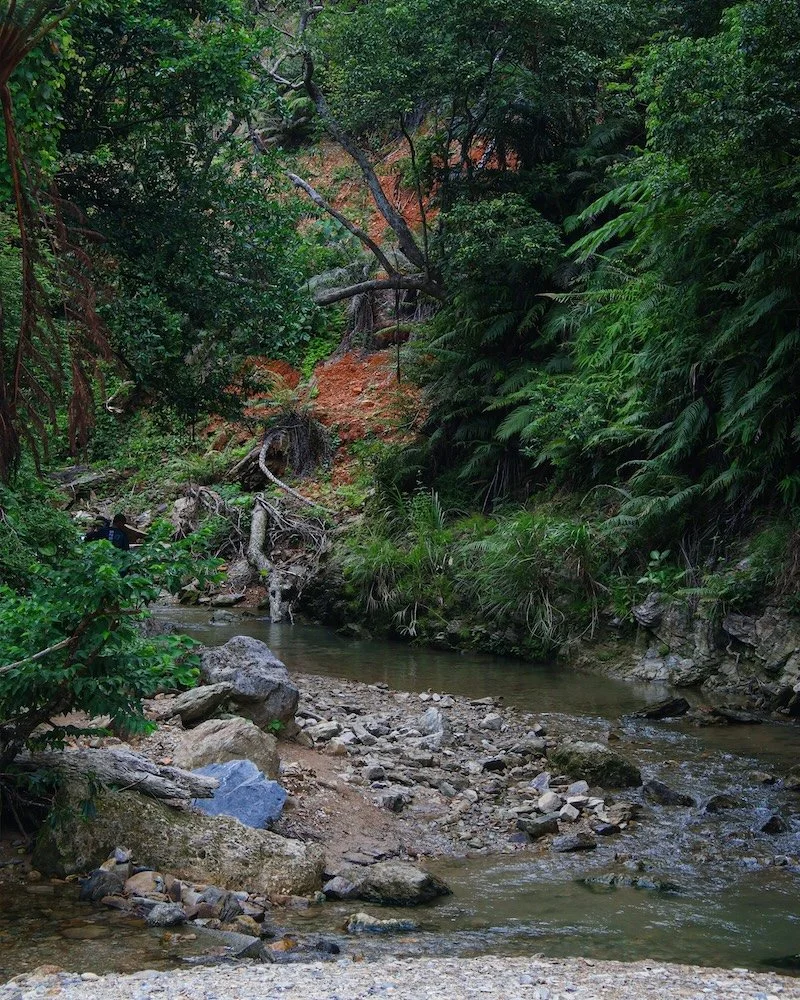
Private or small-group kayaking tour through the Yanbaru mangrove forests of northern Okinawa — one of Japan's most biodiverse ecosystems and a UNESCO World Natural Heritage Site since 2021
English-speaking guide (guide named Nik is the one to request )
Wildlife context throughout: rare Okinawa rail birds, mudskippers, fiddler crabs, tropical fish in the mangrove root systems
Morning tours recommended for the calmest water and best light
Pair It With:
Yanbaru is in the north of the island — combine with a drive along Cape Hedo (Okinawa's northernmost point) and lunch at a local restaurant in Nago on the way back. A full and genuinely excellent day out of Naha.
Okinawa's mangroves are rare in Japan — the subtropical climate that makes the island so distinct also makes it the only part of the country where mangrove forests grow in any meaningful scale. The Yanbaru forest in the north is the largest and most ecologically significant, designated UNESCO World Natural Heritage in 2021. The kayaking tour through it — guided by a private English-speaking local — moves through tidal channels between the tangled aerial root systems, past the birds and crabs and small fish that make the ecosystem work. It's calm enough for complete beginners and interesting enough that experienced paddlers aren't bored. The morning light through the canopy before the tour groups arrive is the specific version worth getting up for. Book the private tour over the group option — the difference in experience is significant and the price gap is not.
Location: Yanbaru, northern Okinawa — approximately 1 hour 15 minutes from Naha by car; guide pickup available from major hotels in the north
Price:From ~$33 USD per person; 90-minute sessions
Vibe: Subtropical, biodiverse, genuinely peaceful
Need to Know: Morning slots (8–9am start) give the best light and calmest water. The tour operates year-round and is actually fine in light rain — the mangrove canopy keeps most of it off. Book through GetYourGuide, Klook or Viator.
Shiretoko National Park
What’s Included:
UNESCO World Heritage Site — one of the most ecologically significant temperate ecosystems on the planet
Winter (January–March): drift ice walking on the frozen Sea of Okhotsk
Summer (May–September): brown bear watching from designated viewing platforms and boat tours
Shiretoko Five Lakes — a boardwalk trail with the Shiretoko mountain range reflected in five pristine alpine lakes
Kamuiwakka Hot Falls — a river of geothermally heated water that you can climb barefoot to natural hot spring pools
Pair It With:
Abashiri Prison Museum en route — one of Japan's most unusual museums, built in the original cells of the famous prison. Pair it with the Okhotsk Ryu-hyo Museum for the drift ice science context before you go walking on it.
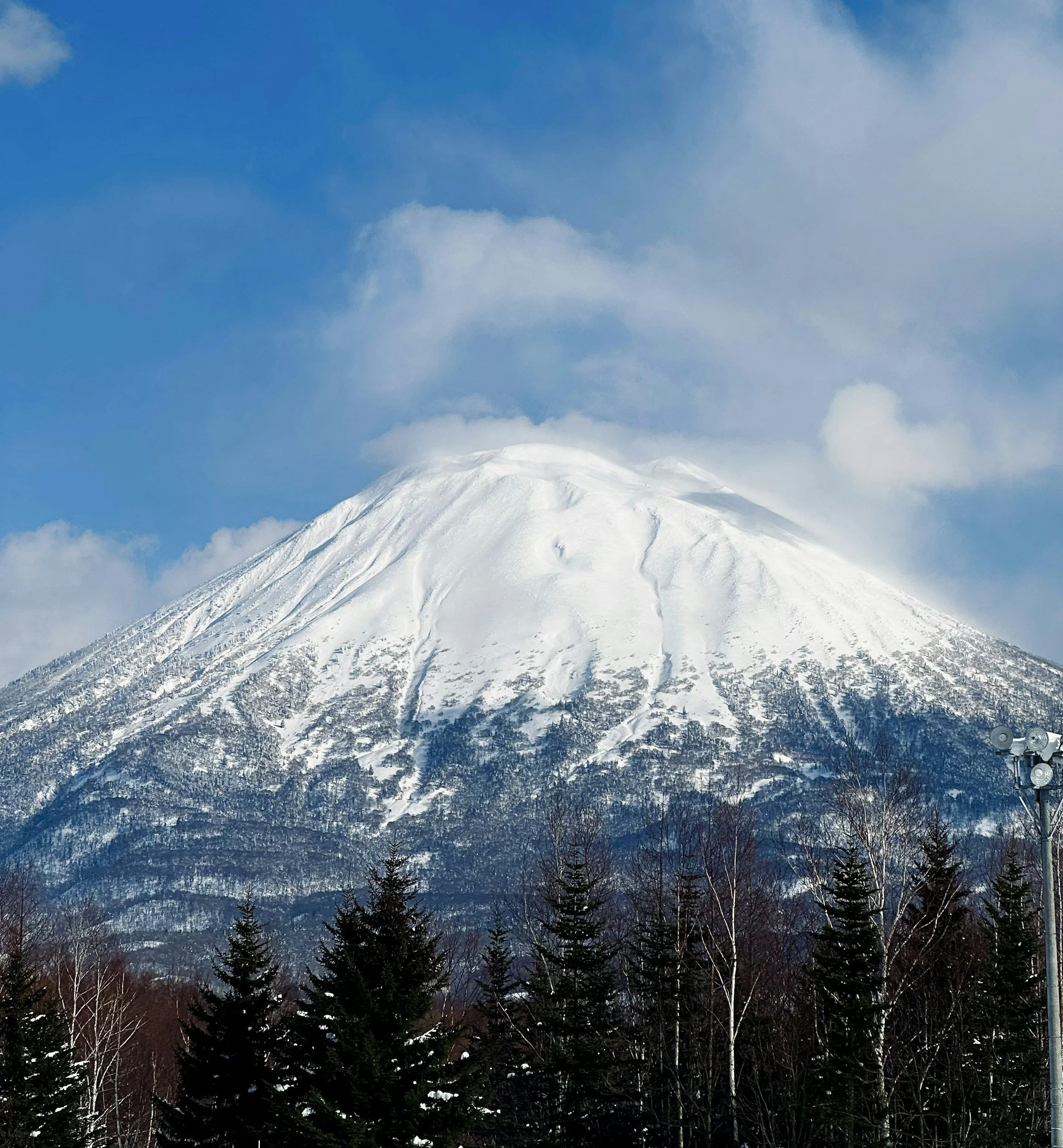
Shiretoko is where Japan runs out of road. The peninsula juts into the Sea of Okhotsk in eastern Hokkaido with no highway access to its tip — the final stretch is hiking trail or boat tour only. UNESCO listed it in 2005 as one of the world's most important ecosystems: the southernmost sea ice in the northern hemisphere, salmon rivers that feed brown bears at one end and orcas at the other, and a density of wildlife that most national parks can't approach. In winter the drift ice walking is the specific thing — you suit up in a neoprene dry suit, walk out across the frozen sea, and scramble through ice formations while the peninsula rises behind you. In summer the bear watching from the boat tours is as close and unhurried as wildlife watching gets. Neither experience requires any particular skill or fitness level. Both require getting to eastern Hokkaido, which takes commitment — and which keeps the crowds away.
Location: Shiretoko Peninsula, Shari-cho, Hokkaido — nearest airport is Memanbetsu (2 hours by car); Abashiri is the main base town; no public transport beyond Utoro village, car essential
Price: Drift ice walking ~¥5,500–¥8,000 (~$37–$54) per person including dry suit rental; bear watching boat tours ~¥5,000–¥8,000 (~$34–$54); Shiretoko Five Lakes boardwalk ¥250
Vibe: Remote, wild, genuinely unlike anywhere else in Japan
Need to Know: Car is non-negotiable for Shiretoko — the area is inaccessible without one. The ice can come and go depending on the year, check conditions before booking tours. The upper trail at Shiretoko Five Lakes requires a guided ranger tour during bear season (May–July) — book through the park visitor center in Utoro.
Tsuboya Yachimun Pottery District
What’s Included:
The center of Okinawan yachimun pottery since 1682, when King Shō Tei consolidated all kilns here
Tsuboya Pottery Museum at the western entrance — two floors covering the history of yachimun from the Ryukyu Kingdom era to the present; English audio guide available
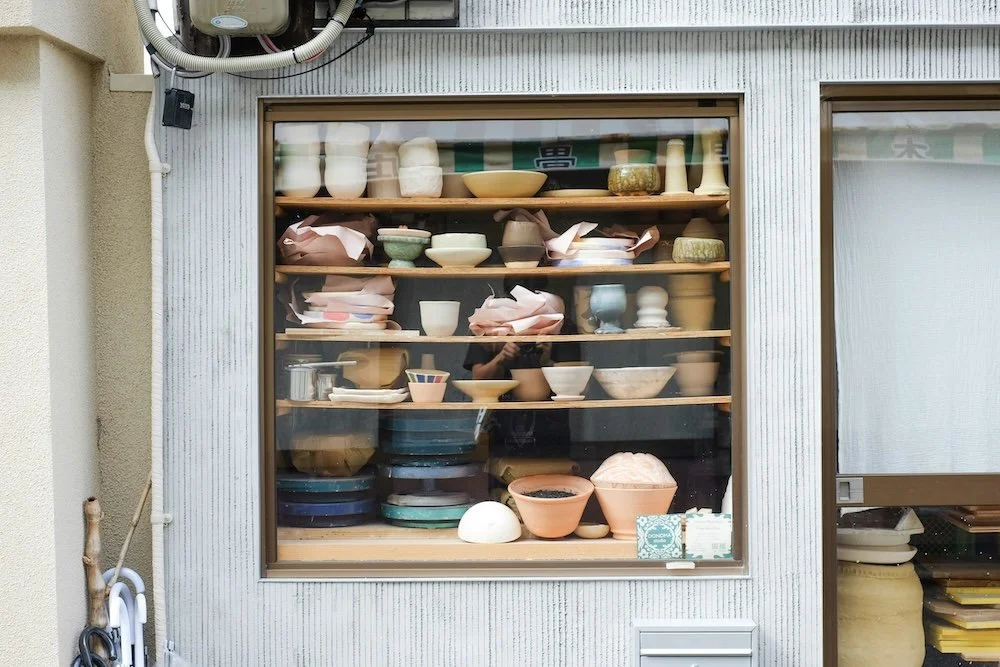
The two signature pottery styles: arayachi — rough unglazed storage jars — and jōyachi — brightly glazed tableware in blues, greens, and reds
Pottery-making workshops available at several studios
Pair It With:
Tsuboya is a 5-minute walk through the Heiwa-dori arcade from Kokusai-dori — do both in a morning.
Yachimun — the Okinawan word for pottery — has been made on this street for over 340 years. In 1682 King Shō Tei ordered potters from three scattered villages to consolidate here, and the kilns have been firing ever since. The pottery is genuinely distinct from anything on the mainland — the glazes are bolder, the forms are earthier, the shisa guardian figures that watch from every rooftop across Okinawa all trace their origin to this street. The Pottery Museum is the right place to start — it gives you the vocabulary to understand what you're looking at before you walk the studios. The studios themselves range from traditional family operations to contemporary ceramicists.
Location: Tsuboya Yachimun Street, Naha, Okinawa — 10-minute walk from Makishi Station (Yui Monorail); or walk south through Heiwa-dori arcade from Kokusai-dori
Price: Pottery Museum ¥350 (~$2.50) adults; studios free to browse; pottery-making workshop ~¥2,000–¥3,000
Vibe: Historic craft district, genuinely local, completely Okinawan
Need to Know: Not all pottery sold on the street is made here — some shops stock tourist-grade imports. Look for studios with working wheels visible or kilns in the back. The Tsuboya Yachimun Street Festival (early November) runs 20% discounts across all studios.
Sapporo Beer Museum
What’s Included:
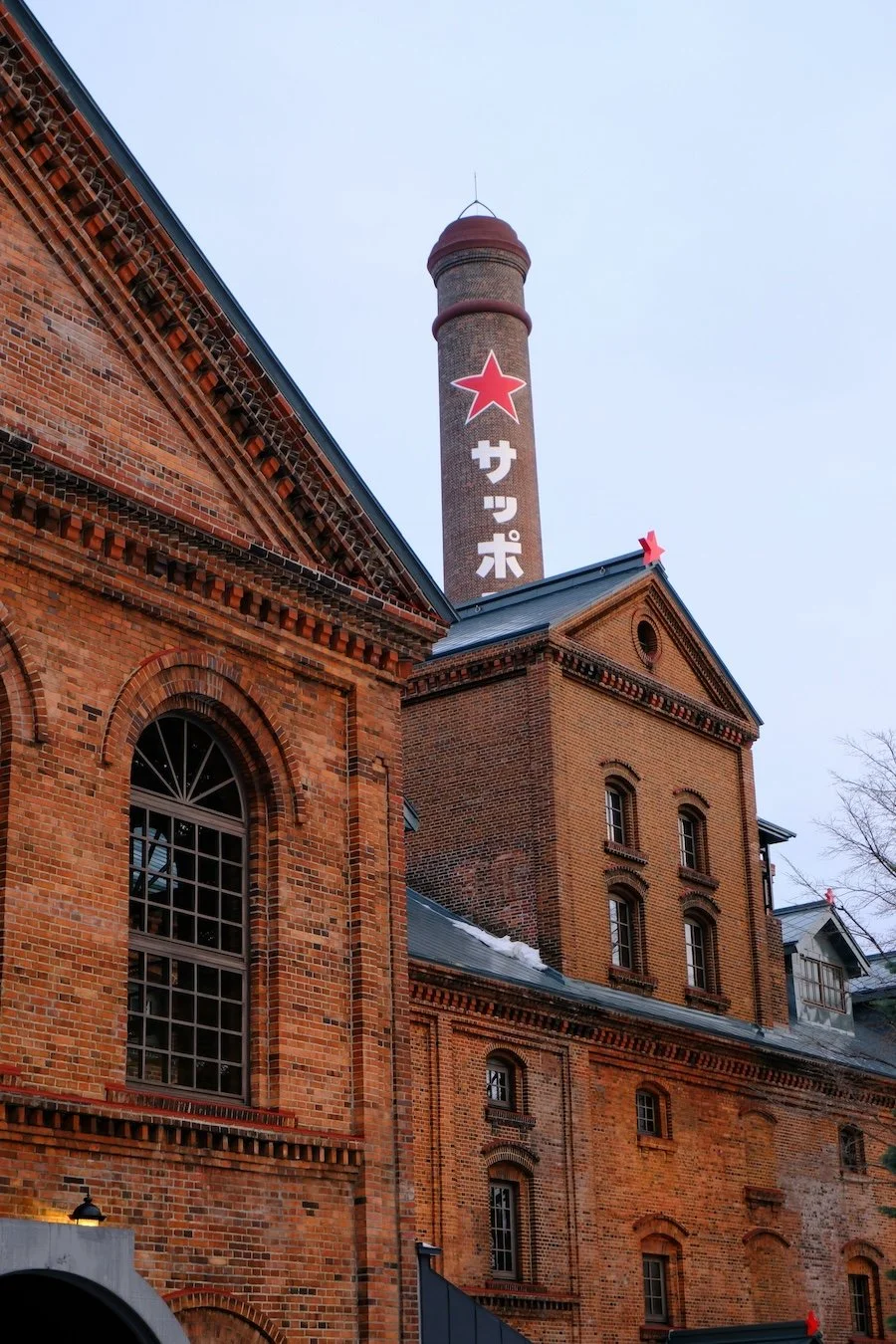
Japan's oldest brewery, founded 1876, housed in the original 1890 red brick building that once processed the beer
Free self-guided tour through brewing history, equipment, and the evolution of Japanese beer poster design
Premium Tour ¥1,000 — adds a 6K theater experience and a tasting comparison of Fukkoku Sapporo-sei Beer (a recreation of the original 1877 recipe) and Black Label, both exclusive to this location
Sapporo Beer Garden — a Jingisukan restaurant in a converted heritage warehouse
Pair It With:
Museum in the afternoon, Sapporo Beer Garden for dinner — book the garden ahead, it fills up.
The Sapporo Beer Museum is one of the few free museums in Japan that rewards the visit regardless of how much you care about beer history. The 1890 red brick building alone is worth the detour — a massive Victorian industrial structure sitting incongruously in a residential neighborhood. The history inside is genuinely interesting: how German brewing techniques arrived in Hokkaido via a German-educated Japanese chemist, how the brand evolved through the Meiji and Taisho eras, and what happened to the brewery during wartime. The Fukkoku Sapporo-sei Beer in the Premium Tour is the specific thing worth paying ¥1,000 for — a recreation of the 1877 original recipe, brewed once a year, available only here.
Location: Sapporo Beer Museum — 9-1-1 Kita 7-jo Higashi, Higashi Ward, Sapporo
Price: Beer Museum — free self-guided; Premium Tour ¥1,000 (~$7); Beer Garden from ¥3,000 per person
Vibe: Industrial heritage, cold beer, Hokkaido pride
Need to Know: Beer Garden is extremely popular — book ahead for dinner, especially weekends and summer. Museum is closed Mondays. The Premium Tour runs on a schedule — check timing on arrival.
Upopoy National Ainu Museum
What’s Included:
Japan's first national museum dedicated entirely to Ainu culture and history
Six permanent galleries covering Ainu culture across all dimensions from daily tools and textiles to oral literature, music, and the political history of indigenous rights in Japan
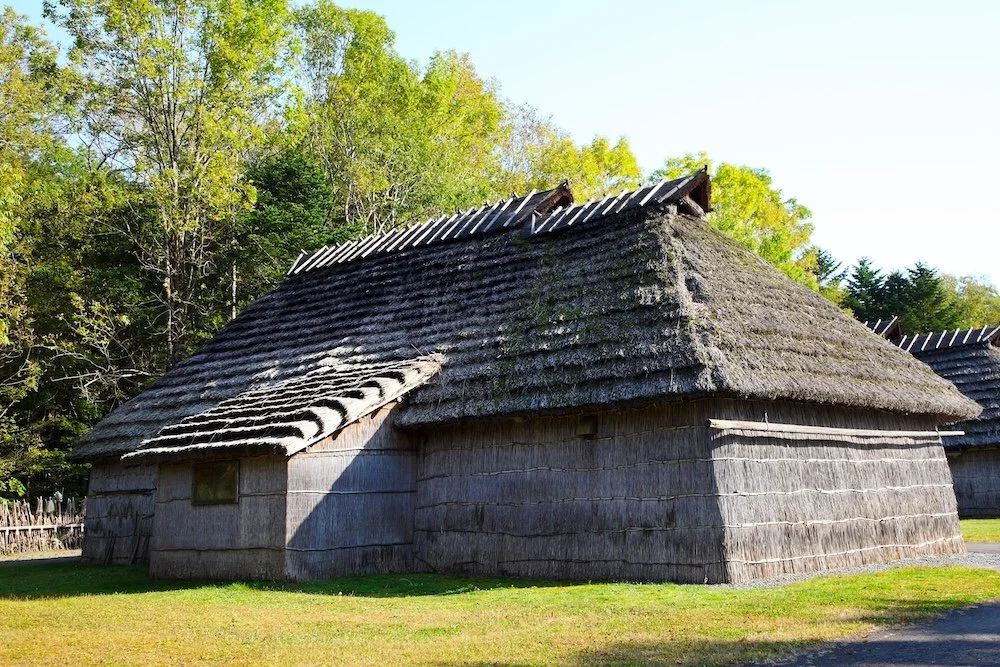
A reconstructed Ainu kotan (village) on the lake's edge
Live performance programs
Pair It With:
Shiraoi Ainu Museum is 60km from Sapporo — a dedicated half-day from the city, or a stop on the way to Noboribetsu Onsen (30 minutes further south).
Upopoy opened in 2020 after decades of advocacy by the Ainu people, and it is the most significant cultural institution to open in Japan in a generation. The Ainu — the indigenous people of Hokkaido and parts of Sakhalin and the Kuril Islands — were systematically dispossessed, their language suppressed, their children removed to assimilation schools. The museum tells this history without softening it, while simultaneously presenting the extraordinary richness of Ainu culture. The building by architect Naito Hiroshi sits low on the lake's edge, its reflection in the water. The reconstructed village beside it is not decorative — it functions as a living space where Ainu cultural practices are actively maintained. The upopo performances in the ceremony hall are the thing to build your visit around: call ahead to confirm the day's schedule.
Location: 2-3-4 Wakakusa-cho, Shiraoi-cho, Hokkaido — 60km south of Sapporo; JR Muroran Line from Sapporo to Shiraoi Station (50 minutes on limited express, ~¥2,000); 5-minute walk from the station
Price: ¥1,200 adults (~$8); ¥600 university students; free under high school age — village area included in admission
Vibe: Deeply moving, architecturally beautiful, historically essential
Need to Know: Allow 3 hours minimum for the museum plus village. The museum shop sells Ainu-made crafts that are worth buying here specifically, as the proceeds support Ainu artisans directly.
Let’s Plan Something Unforgettable
Need help with the details? Book a consultation or upgrade for full itinerary design, seamless bookings, and support every step of the way.