
-
Late March–early April is cherry blossom season — the most beautiful time to be in Tokyo and the most crowded. Book everything months ahead if you're going then.
October–November is the other peak: cooler temperatures, stunning foliage, and slightly more manageable crowds.
July–August is hot, humid, and punctuated by festivals — worth it if you know what you're going for.
Winter is underrated: clear skies, the best views of Fuji from the city, and Niseko powder season in full swing by January. Plus, lower prices and fewer crowds.
-
Tokyo is enormous — where you stay shapes what you experience.
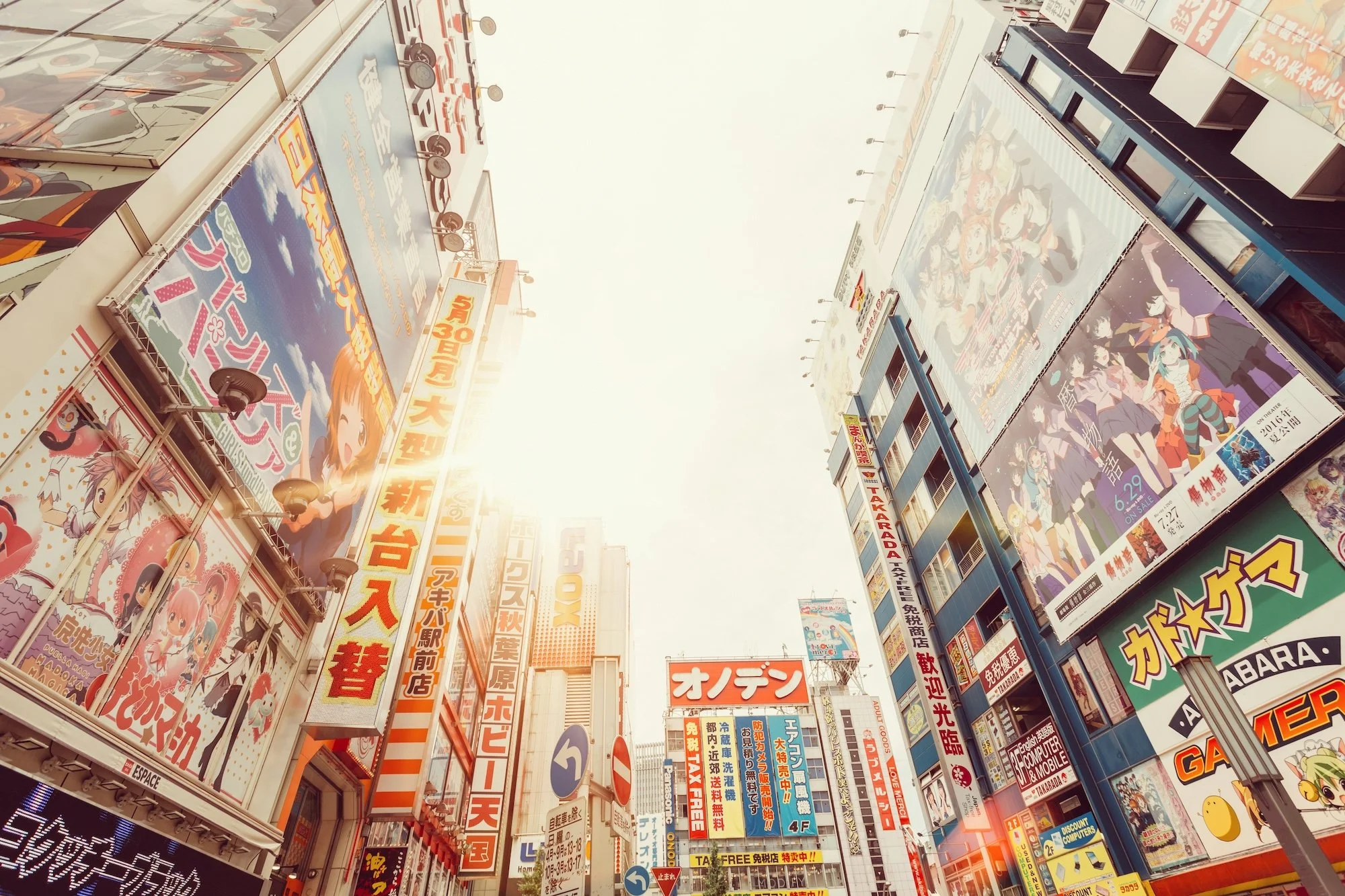
Shinjuku is central, loud, and puts everything within reach; good for first-timers.
Shibuya is younger, more design-conscious, closer to Shimokitazawa and Daikanyama.
Nihonbashi and Ginza are quieter, more refined, and better located for Tsukiji and the Imperial Palace.
Aoyama and Omotesando are where you want to be if design, food, and shopping are the priority.
For day trips: Hakone and Kamakura are both under 90 minutes from Tokyo and work as overnights if you want to slow down.
Kanazawa is 2.5 hours by Shinkansen — a full overnight stay, not a day trip.
-
A few things that will make the trip work better.
Cash still matters — many smaller restaurants, temples, and rural spots don't take cards; keep ¥10,000–¥20,000 on you.
The IC card (Suica or Pasmo) covers all public transport across the region — load it at any station and tap everywhere.
Tipping is not done and will cause confusion; excellent service is the baseline, not something you pay extra for.
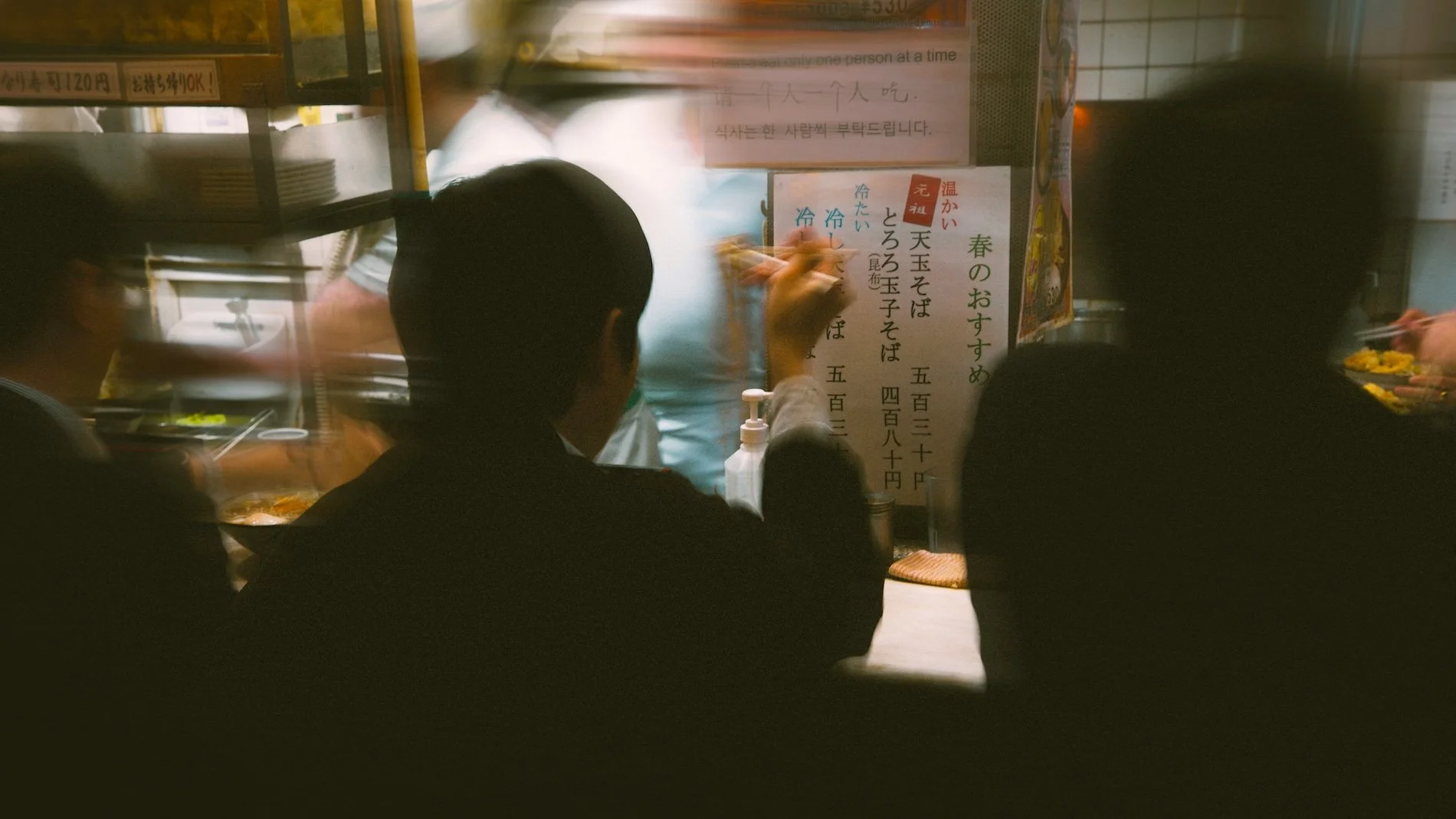
Restaurants in Tokyo often have no English menu and no English spoken — pointing at plastic food models outside or at neighboring tables is completely normal and works fine.
Shoes come off at ryokan, traditional restaurants, and many temples — wear ones that slip off easily.